
Vandaag of morgen in huis

Kwaliteit gegarandeerd

Welkomstaanbiedingen ontgrendelen: GRATIS bezorging | Tot 80% korting | Gratis 30 dagen JoyPlus-proefperiode
Download de app
Buying nuts seems simple enough, until you’re standing in front of a shelf or scrolling through an online product page. Roasted almonds, unsalted almonds, macadamia nuts, nut mixes and flavoured almonds vary widely in ingredients, portion size and intended use. An attractive packet doesn’t always tell the full story.
When comparing, watch out for three common pitfalls:
For plain nuts, the ingredients list should be short. According to the product information, Anatolia Badem Natural contains 100% almonds. G'woon Almonds Raw & Unsalted also lists only almonds as an ingredient. This makes these products ideal if you want to decide what to add yourself when cooking, baking or mixing.
It’s a different story with roasted and salted almonds. According to the label, g'woon Roasted & Salted Almonds contain 97% almonds, sunflower oil and 0.7% salt. Always check the allergen information too. Nut products may contain traces of peanuts, other nuts, milk, soya, mustard or sesame.
An important note: product information can vary between packs or retailers. So always check the Dutch label when you receive your order, especially if you have an allergy or intolerance.
Packs don’t always come in the same size. That’s why you should compare values per 100g rather than per bag. Pay particular attention to:
Nuts are naturally high in energy and fat. That’s no reason to avoid them, but it does mean you should match your portion size to when you’ll be eating them. A small portion works well as a snack, while a larger bag is more practical for a breakfast bowl, salad or baking recipe.
With flavoured almonds, it’s especially worth checking the sugar and salt content. According to the product information, a 30g pack of BT21 Wasabi Almond contains 165 kcal, 6g sugar and 122mg salt per portion. HBAF Almond Wasabi Flavor includes sugar, flavourings, milk, soya and mustard. If it’s the almond flavour you’re after, you’re better off choosing a natural variety.
For everyday use, resealable bags or larger packs are practical. If you’re planning to order nuts online for the family, for baking or for meal prep, look for a size between 200g and 500g. For trying something new, a lunchbox or a treat, portion packs are more convenient.
The preparation also affects the flavour and how you can use them:
Also pay attention to storage instructions. Once opened, nuts should generally be kept cool, dry, dark and well sealed. This helps limit moisture absorption and loss of flavour. Always check the best-before date on the pack.
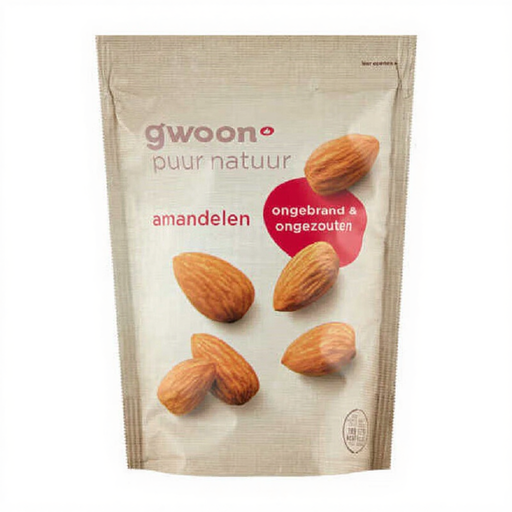
Why this suits the profile: A straightforward choice if you’re starting out with unsalted almonds and want to use them in different ways.
The product information lists almonds as the ingredient and no added salt, so the composition is easy to check.
200g, unsalted and suitable for snacking, baking, yoghurt or salads.
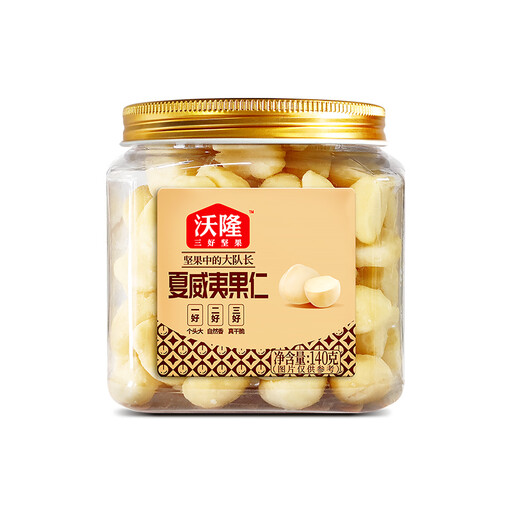
Why this suits the profile: For anyone after a creamy nut flavour and crunchy texture without a spice mix or sweet coating.
According to the product description, this is a roasted variety with macadamia nuts as the ingredient, with no added salt listed.
140g, roasted and suitable for eating straight away or using in desserts.
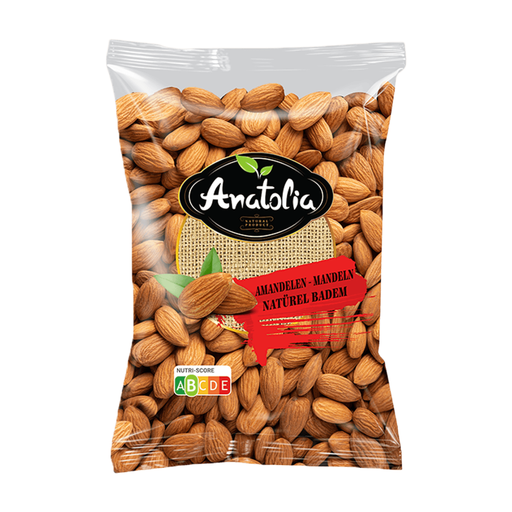
Why this suits the profile: A large size for households that regularly use almonds in dishes, breakfasts or baking recipes.
The product information states 100% natural almonds and 0g salt per 100g. Check the label on delivery.
500g, unsalted and suitable for snacking, cooking, baking and as a topping.
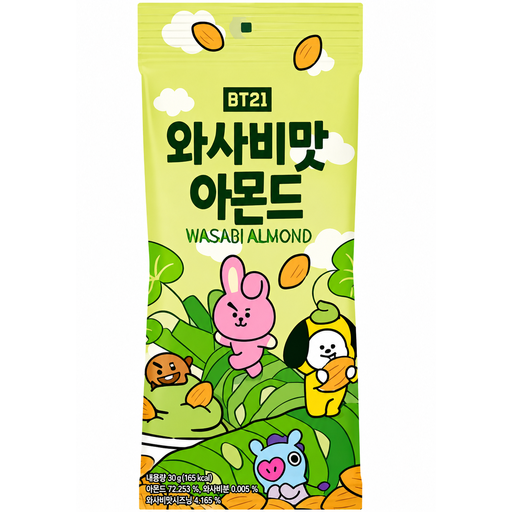
Why this suits the profile: Thanks to the portion pack and wasabi flavour, it’s ideal for on the go, sharing or a snack moment with a spicy kick.
The portion is clearly defined and the ingredients list explicitly mentions sugar, wasabi seasoning, milk and soya.
30g, individually packed and featuring a sweet-spicy flavour combination.
We’ve put together a full, up-to-date list of products that fully meet these strict selection criteria and comply with current European safety regulations.
That depends on your preference and how you plan to use them. Unsalted almonds work well for breakfast, baking and homemade nut mixes. Roasted almonds are ready to eat and have a more intense, crunchy flavour. For daily use, look at the ingredients, salt content and portion size.
Store nuts in their original well-sealed packaging or an airtight container. Keep them in a cool, dry and dark place, away from heat and moisture. Follow the instructions on the label and check the smell, taste and texture before eating.
A larger pack can work out cheaper per gram, but only if you use the nuts in time and store them properly. Compare the price per 100g and check the best-before date. For a first purchase or a new flavour, such as wasabi almonds, a smaller pack can help avoid waste.
