
Vandaag of morgen in huis

Kwaliteit gegarandeerd

Welkomstaanbiedingen ontgrendelen: GRATIS bezorging | Tot 80% korting | Gratis 30 dagen JoyPlus-proefperiode
Download de app
Buying nuts and snacks online seems simple, until you’re faced with a shelf full of options. Should you choose an unsalted nut mix, roasted nuts, sweet peanuts or a large box of Asian snacks? The packaging may look appealing, but the ingredients, portion size and allergen information will determine whether a product really suits your needs.
As a Joybuy Product Recommendation Officer, I check product information against verifiable details. This makes it easier to find the right product for everyday snacking, parties, eating on the go or adding to meals.
A 500-gram bag or a gift box weighing over a kilo may cost less per gram. But you won’t save if you’re mainly buying for yourself or if the product quickly loses its flavour and crunch once opened. So check:
A small bag of snack nuts is often more convenient for eating on the go. A larger pack is better suited to families, parties or cooking.
Check the ingredients list, which lists ingredients in descending order by weight. For example, the g'woon Macadamia Mix contains 26.1% peanuts, 18.8% almonds, 18.4% cashews and 15.8% macadamia nuts. It also contains ingredients such as maize, pecans, salt and sunflower oil.
So if you’re mainly looking for macadamia nuts, you’ll get a mixed snack rather than a bag of macadamias alone. That’s not a problem if you want variety, but it’s an important difference to bear in mind when comparing products.
Seasoned or coated peanuts can contain a significant amount of sugar, flour, oil, sweeteners, flavourings and raising agents. According to the product information, Dahaoda Walnut Flavour Peanuts contains 95% peanuts, as well as salt, sugar, spices, sweeteners, an acidity regulator and a flavour enhancer.
For Asian snacks, also check for wheat, gluten, soya, sesame and colourings. For example, WANT WANT Tiaodou contains 70% peanuts, as well as ingredients such as wheat flour, soya sauce and chilli powder.
Look for a clear ingredients list and allergen labelling. Common allergens in this category include:
A product may also contain traces of other nuts. So always check the packaging, especially if you’re buying for a birthday, the office or a group that includes people with food allergies. If the packaging information differs from the online product page, follow the information on the packaging.
Compare nutritional values per 100 grams, not just per handful or packet. This lets you compare different types fairly. A plain product containing only cashews and salt is quite different from peanuts with a crunchy coating, sugar or coconut cream.
Examples from the range:
For a simple ingredients list, choose a product with few ingredients. If you’re after a more distinctive flavour, you may prefer spices, honey, coconut or a sweet-and-salty coating.
“Roasted” tells you how the product is prepared, but not necessarily how much salt or oil it contains. Check the full product information. A product that can be sealed airtight after opening will generally keep its texture better than a bag left open. Store nuts and snacks as instructed: usually in a cool, dry place out of direct sunlight.
Also consider the difference between plain nuts and ready-to-eat snacks. Pistachios, hazelnuts and pecans can be used in cooking, while coated peanuts and Japanese mixes are mainly intended to be eaten as they are.
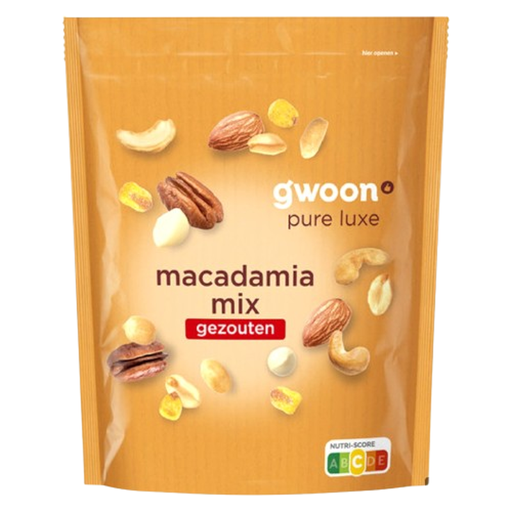
Why it suits you: A medium-sized bag containing several types of nuts and seeds is a practical choice if you’d like to try different flavours without buying a large quantity straight away.
The ingredients and percentages make it clear that this is a mix, not a bag of macadamia nuts alone.
200 grams; contains peanuts, almonds, cashews, macadamia nuts and pecans; suitable as a snack or for adding to meals.
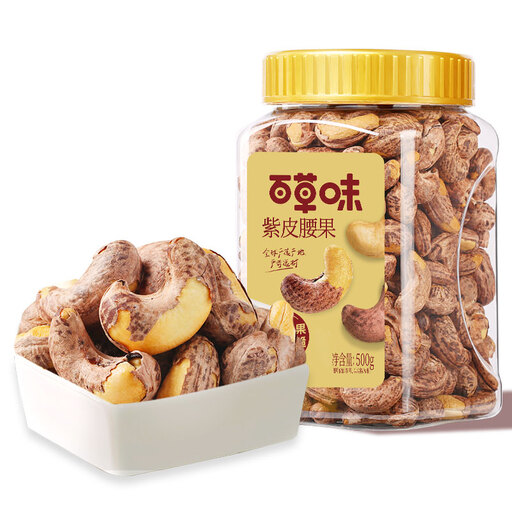
Why it suits you: Ideal if you’re looking for one type of nut in a generous pack, whether for snacking, baking or adding to meals.
The product information lists cashew kernels and salt as ingredients, with no sweet coating or elaborate flavour mix.
500 grams; ready to eat; suitable for everyday snacking and recipes; allergen information lists cashews.
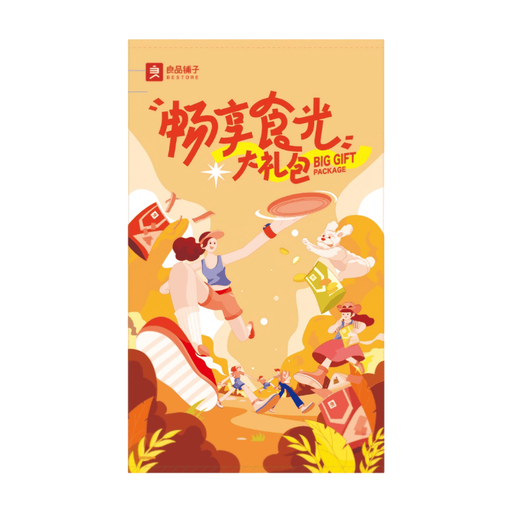
Why it suits you: A great choice for sharing, gifting or sampling a selection of sweet and savoury snacks from Chinese snack culture.
The product information lists 12 different types of snacks, so you don’t have to judge it by the large pack size alone.
1279 grams; includes a variety of snacks such as macadamia nuts, roasted chestnuts, dried sweet potato, seaweed and almonds.
We’ve put together a complete, up-to-date list of products that meet these strict selection criteria and the applicable European safety regulations.
It depends on your preferences for salt, sugar, variety and pack size. Start by comparing the ingredients and nutritional values per 100 grams. A mix of peanuts, cashews, almonds and macadamia nuts offers plenty of variety. For a simpler ingredients list, you could choose plain roasted cashews, hazelnuts, pistachios or pecans.
Store nuts and snacks in a cool, dry place out of direct sunlight. Seal the bag or container tightly to limit exposure to moisture and other aromas. Always check the specific storage instructions on the packaging and consume the product after opening as directed.
Not without checking first. Always read the allergen information on the packaging. Peanuts, nuts, sesame, wheat, gluten and soya are particularly common in this category. Even a product that doesn’t contain a particular ingredient may contain traces of other allergens.
