
Vandaag of morgen in huis

Kwaliteit gegarandeerd

Welkomstaanbiedingen ontgrendelen: GRATIS bezorging | Tot 80% korting | Gratis 30 dagen JoyPlus-proefperiode
Download de app
Nuts and dried fruit are perfect for lunchboxes, desk drawers, picnic baskets or sharing bowls for movie night. You can also add them to yoghurt, porridge, salads, desserts and baking recipes. Yet an attractive packet tells you very little about the ingredients, portion size or whether it’s right for how you plan to use it.
If you’re looking for healthy snacks, don’t just rely on words like “natural” or “premium”. Always check the ingredients list, nutritional information, allergens and packaging. That way, you can avoid a product that turns out to be far from what you expected because of added sugar or salt.
Dried strawberries, dried mango and other fruit products can contain sugar, oil, preservatives or sulphites. For example, MUSHAN BASE Dried Strawberry Slices 50g lists dried strawberries and sugar as ingredients. According to the product information, it contains 57.4g of sugar per 100g.
Similarly, PHILIPPINE BRAND Dried Mango lists sugar and the preservative E223 alongside mango. The product information also mentions sulphites as an allergen. So if you’re specifically looking for fruit with no added sugar, you must always check the packaging rather than just glancing at the front.
A snack mix or nut mix isn’t always made up mainly of plain nuts. The g'woon Japanese Mix contains 21% peanuts, corn products, sugar, sauce, sesame and flavourings. That makes it a great choice for fans of savoury Asian snacks, but less suitable if you’re after unsalted nuts only.
Flavoured products can also include sugar, sweeteners, flour, oil or flavour enhancers. So the word “nuts” on the packet isn’t enough information to make a proper comparison.
Roasted nuts and seeds can contain quite a lot of salt. Anatolia salted roasted pumpkin seeds list 3.5g of salt per 100g. The salted sunflower seeds from Anatolia list 3g of salt per 100g. That’s useful information if you want to vary your salty snacks or keep an eye on your daily salt intake.
Also pay attention to the net weight. A 500g bag is practical for baking or sharing, but less handy if you want to take single portions on the go.
Start with the ingredients list. Ingredients are listed in descending order by quantity. Then check the allergen information. Common things to look out for include:
The g'woon Cashew Nuts Roasted & Unsalted contains cashew nuts. Koh-Kae Coated Peanuts Coconut Cream lists peanuts and wheat. If you have an allergy, always check the most recent packaging, because recipes and labels can change.
Compare products based on the same quantity, usually per 100g. Look at energy, fat, saturated fat, carbohydrates, sugars, protein and salt. An unsalted product doesn’t automatically have a lower energy value; nuts are naturally high in energy.
The g'woon cashew nuts are roasted and unsalted, and list 0.067g of salt per 100g. The BE&CHEERY PREMIUM MACADAMIA NUTS 500G contains no added salt, sugar or flavourings according to the product information. It does list 717 kcal per 100g. That makes the macadamia nuts interesting as an ingredient or standalone snack, but portion size still matters.
Choose a small pack for your bag or desk, and a larger resealable pack for stocking up, baking or parties. Store nuts and dried fruit according to the label in a cool, dry and dark place. Seal the packaging well after opening to prevent moisture and loss of quality.
When buying online, check the net weight, shelf life information and preparation status. “Ready to eat” means the product doesn’t need to be soaked or heated. Some packs contain an oxygen absorber; that’s not meant to be eaten.

Why this fits the profile: A straightforward 200g pack with one main ingredient: cashew nuts. Handy for on the go, at the office or as a base for a simple nut mix.
The product information lists roasted, unsalted cashew nuts and only 0.067g of salt per 100g. Check the current packaging for full allergen information.
200g, roasted and unsalted according to the product description; suitable for eating straight away or adding to breakfasts and baking recipes.
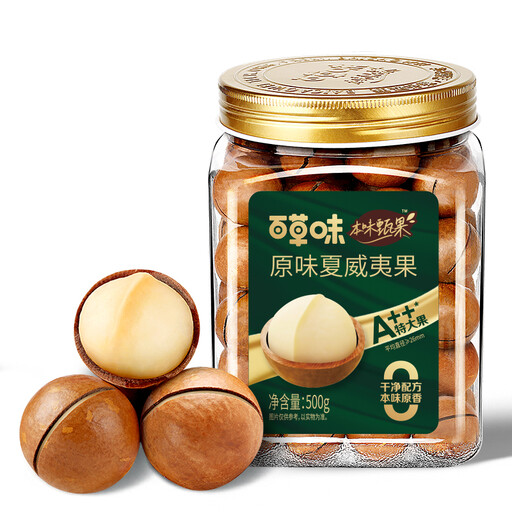
Why this fits the profile: A large pack of 100% macadamia nuts, designed for those who love a pure nut flavour and want to use them in multiple recipes.
The ingredients list contains only macadamia nuts. According to the product information, no salt, sugar or flavourings have been added.
500g; suitable for snacking, salads, desserts and baking; contains macadamia nuts as a clearly declared allergen.
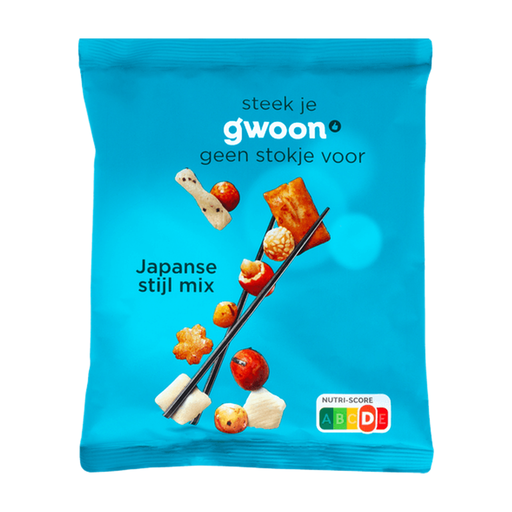
Why this fits the profile: Designed for sharing at parties, drinks or movie nights. The mix combines peanuts, corn products, sesame and a savoury sauce.
The product information makes the composition clear: 21% peanuts and several grain and flavour components. So you know this isn’t a plain nut mix.
250g; resealable pot according to the product description; distinctive savoury flavour for sharing and drinks occasions.
We’ve put together a full, up-to-date list of products that fully meet these strict selection criteria and comply with current European safety regulations.
That depends on the ingredients and your preference. Dried fruit is compact and easy to take with you, but per 100g it often contains more sugar than fresh fruit because the water has been removed. So check whether sugar has been added and compare the nutritional values. You can also combine dried mango, strawberries or cranberries with yoghurt, porridge or unsalted nuts.
Follow the best-before date and store the product in a cool, dry, dark place, well sealed. After opening, nuts can lose their crunch due to moisture or heat. A smaller pack is handy if you eat them slowly; a larger bag is better for heavy use, baking or sharing.
Choose a pack that doesn’t leak and is easy to reseal. Small portions of dried strawberries, dried mango, unsalted cashew nuts or a compact snack mix are practical for commuting. Just check the sugar, salt and allergens beforehand, especially if several people will be eating from the same pack.
