What should you look for when choosing?
When you have coeliac disease, check the exact pack before comparing weight and price. Even with a plain or unsalted product, you should check the ingredients and information about possible cross-contamination.
| What to consider |
What should you check? |
Who should give this more weight? |
| Suitability of the exact pack |
Read the ingredients and warnings on the pack. Compare them with the information for exactly the same product variant. |
If you’re buying nuts for someone with coeliac disease, you’ll want to know what’s in the pack and what warnings it carries before buying. Around 36% of consumers put checking the suitability of the exact pack first when choosing what to buy. |
| Value for money |
Once you’ve checked suitability, compare the net weight and price per kilogram of products with similar ingredients. |
If you eat nuts regularly, you’ll want to know whether a larger bag offers good value for your needs. Around 29% of consumers prioritise value when comparing suitable products in similar quantities. |
| Quantity and storage |
Choose a pack size that suits how much you use and follow the product’s storage advice. |
If you don’t eat many nuts, you’ll want to avoid having a pack sitting around for too long. Around 21% of consumers prioritise a quantity that suits their usage and storage needs. |
| Ingredients and intended use |
Check which nuts are included and whether fruit, herbs or a coating have been added. |
If you’re looking for a particular mix for a snack or dish, you’ll want to know which ingredients and processing methods make it the right choice. Around 14% of consumers put ingredients and intended use first. |
Joybuy product picks
These Joybuy picks are suited to stocking up on nuts and related products, with pack sizes ranging from 500 g to 1 kg. If you have coeliac disease, always check the ingredients and warnings on the exact pack; the product name alone doesn’t confirm its suitability.
 No image available
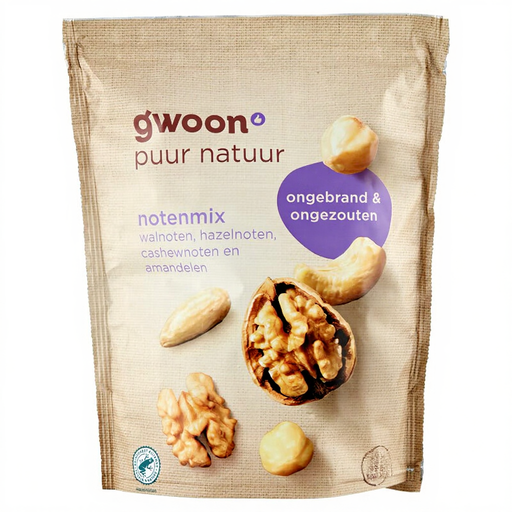
g’woon Unroasted Mixed Nuts, 500 g
A 500 g mix for anyone looking for several types of nuts in one larger pack; check whether the exact variant is suitable for a gluten-free diet.
The description lists hazelnuts, walnuts, almonds and cashews. The product is described as unroasted and unsalted.
View product
 No image available
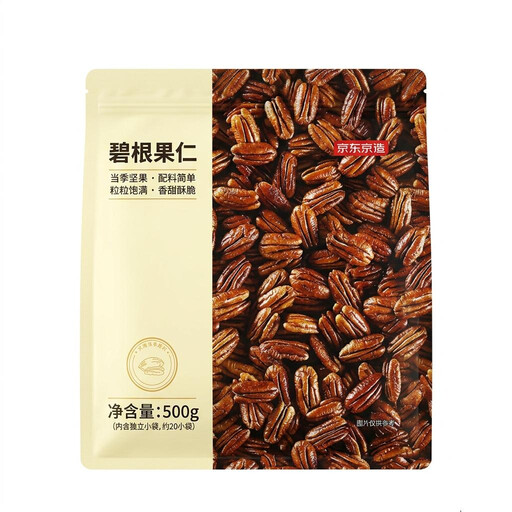
J.ZAO Pecan Halves, 500 g
A pack of pecans for anyone looking for a larger quantity of this particular nut; if you have coeliac disease, check the ingredients for the exact variant.
The description lists roasted pecans, sugar and salt.
View product
 No image available
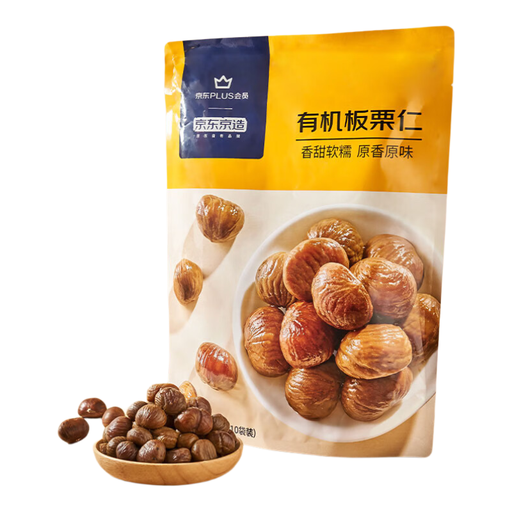
J.ZAO S++ Grade Whole Chestnuts, 1 kg
The individual bags divide the pack into portions; if you have coeliac disease, check the information on the exact pack.
The description states that the 1 kg pack is divided into ten 100 g bags. The chestnuts are peeled and ready to eat; chestnuts are listed as the ingredient.
View product
 No image available
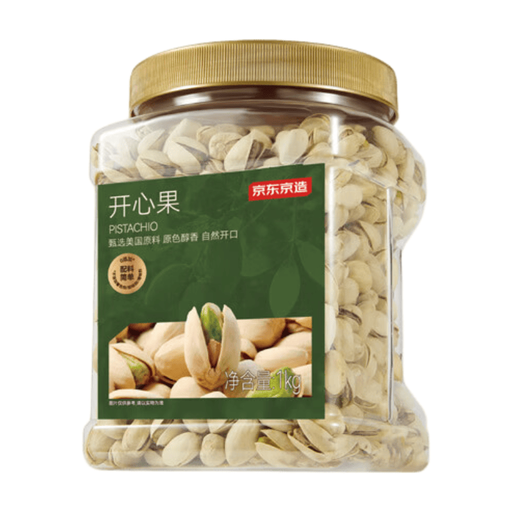
J.ZAO Pistachios, 1 kg
A larger pack of pistachios for anyone who eats them regularly; check the ingredients and warnings for the exact variant.
The description lists pistachios with 1% edible salt.
View product
 No image available
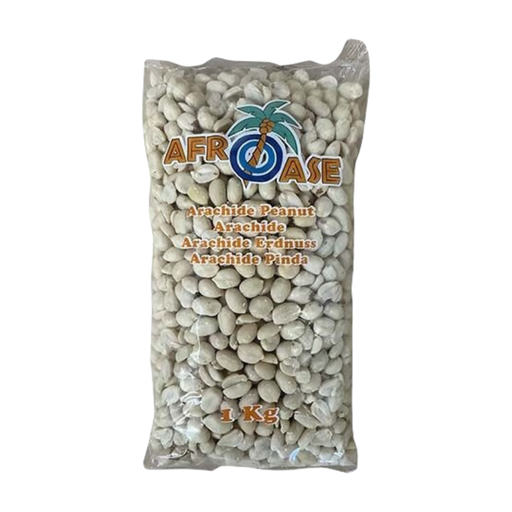
White Peanuts, 1 kg
A 1 kg pack of peanuts for anyone looking for a larger quantity of this legume; if you have coeliac disease, check the exact product information before choosing it.
The product name lists peanuts and a pack size of 1 kg. Check the pack for the ingredients and warnings for the product variant on offer.
View product
Frequently asked questions
Does every suitable pack of nuts need a gluten-free logo?
Check the exact pack rather than relying on a logo alone. The Dutch Coeliac Association lists nuts as naturally gluten-free, but ingredients and possible cross-contamination still need to be considered. So a ‘plain’ description isn’t enough to confirm that a specific pack is suitable.
Does ‘may contain cereals containing gluten’ mean the same as ‘contains gluten’?
No. According to the Dutch Coeliac Association, a cross-contamination warning indicates a possible risk; it doesn’t mean that every pack contains gluten. However, do take the warning into account when assessing a product for someone with coeliac disease.
What changed on Dutch allergen labels from 1 January 2026?
Since 1 January 2026, the Netherlands Food and Consumer Product Safety Authority has been checking that prepacked products carry the correct cross-contamination warnings. Its guidance uses the production date as the starting point, and older packaged stock may still be sold under the conditions described. So don’t assume that every pack has already been produced under the new policy; check the information on the pack.
How should I store an opened large bag of nuts?
Follow the storage advice on the pack and check the quality after opening. For mixed salted nuts, the Netherlands Nutrition Centre lists rancidity, chewiness and mould as signs of spoilage. This information for one product type doesn’t automatically give a storage life for other mixes.
How can I avoid contact with gluten when pouring and storing nuts?
Use clean utensils and keep the nuts away from crumbs containing gluten. This is a practical way to take account of the cross-contamination risk described by the Dutch Coeliac Association; it doesn’t replace checking the product information.
What should I do if the online product information differs from the pack?
Don’t base your choice on the online description alone: check the pack for the exact variant and ask the seller for clarification if you’re unsure. Albert Heijn and PLUS direct customers to the pack and their customer service teams. For Duyvis products, PepsiCo Netherlands offers a product checker that lets you search by product name or EAN.


