
Same-day & Next-day Delivery

Quality Guaranteed

Unlock Your Welcome Offers: FREE Delivery | Up to 80% OFF | Free 30-day JoyPlus trial
Download the APP
When you buy nuts and seeds online, you’ll quickly see lots of different options side by side: peanuts, salted peanuts, cocktail nuts, pistachios, cashews, sunflower seeds and pumpkin seeds. Then there are Asian snacks, spiced nuts and spices such as star anise and nutmeg.
However, the packaging doesn’t always tell the full story. A large bag might not be ideal if you only snack occasionally, while a small bag can work out more expensive per 100 grams. Terms like “natural”, “traditionally roasted” or “premium” also don’t mean much without a clear ingredients list and nutrition table. With these checkpoints, you can compare products based on practical information rather than marketing language.
“Oriental”, “spicy” or “five-spice” mainly describes the flavour profile. The product may contain sugar, oil, flour, starch, flavourings or flavour enhancers alongside peanuts or seeds. With cocktail nuts, it’s therefore important to look not just at the percentage of peanuts, but also at the coating.
For example, Duyvis Oriental Borrelnootjes contain 49% peanuts. The coating includes wheat, herbs and spices, soya and various flavour components. That makes them suitable for a drinks party, but less obvious for someone who is simply looking for unsalted peanuts.
Peanuts, nuts, sesame seeds, gluten and soya are relevant points to watch. Check the bold allergens on the label and also read the “may contain” warning. A product with cashews, for instance, is not suitable for someone with a cashew allergy, even if it’s only lightly salted.
Also look out for contradictory or incomplete online product information. If in doubt, check the packaging you receive and use the current labelling as your guide.
A 500g bag works well for a family, a party or regular use in the kitchen. For occasional snacking, portion packs can be more practical. ChaCha Daily Nuts, for example, comes as five 23g portions. That limits how often a large bag is opened and makes it easier to take with you.
So compare the price per 100 grams, the number of portions and the shelf life after opening. With seeds and nuts, moisture can affect the crunchy texture. A resealable bag or a well-sealing storage container is then useful.
First, look at the main ingredient, then at oil, salt, sugar and spices. With unsalted cashews, the ingredients list should be short. g'woon Cashew Nuts Roasted & Unsalted lists cashews as the ingredient and contains 0.067 grams of salt per 100 grams according to the product information.
With spiced nuts and Asian snacks, the composition varies more. Koh-Kae Coated Peanuts Coconut Cream combines peanuts with wheat, sugar, coconut cream powder, oil, salt and flavouring. That’s a different choice from plain peanuts and is best suited to anyone looking for a sweet, aromatic snack.
Use the table per 100 grams to compare products fairly. Duyvis Oriental Borrelnootjes state 1.4 grams of salt per 100 grams; g'woon Salted Peanuts state 0.7 grams. ChaCha Tea-Flavored Salt-Roasted Pumpkin Seeds have 1.2 grams of salt per 100 grams.
These figures don’t tell you which snack to choose. They do show why “lightly salted”, “spiced” and “plain” shouldn’t be treated as equivalent descriptions. Also look at added sugar in coated products and dried fruit.
Check whether a product is ready to eat, still needs to be prepared, or must be stored chilled or frozen. Mooijer Lotus Seeds and Mooijer Whole Boiled Peanuts are frozen products according to the product information. After thawing, different storage instructions apply compared to a dry bag of sunflower seeds.
For kitchen ingredients, the form matters. For salads, noodles, sushi and rice dishes, roasted sesame seeds are ready to use. Whole star anise, on the other hand, is intended for infusing in soups, stews or spice blends. Nutmeg can be grated or ground and is added during cooking.
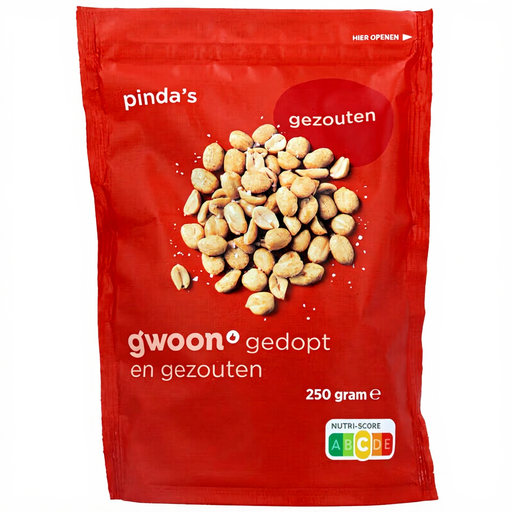
Why this fits the profile: A familiar snack in a medium-sized pack for a drink, a bite between meals or a small gathering.
The product information states 99% peanuts and 0.7% salt. This makes the ingredients clearer than with coated cocktail nuts.
250 grams, 99% peanuts and ready to eat. Contains peanuts; according to the information, the product may also contain traces of cashew.
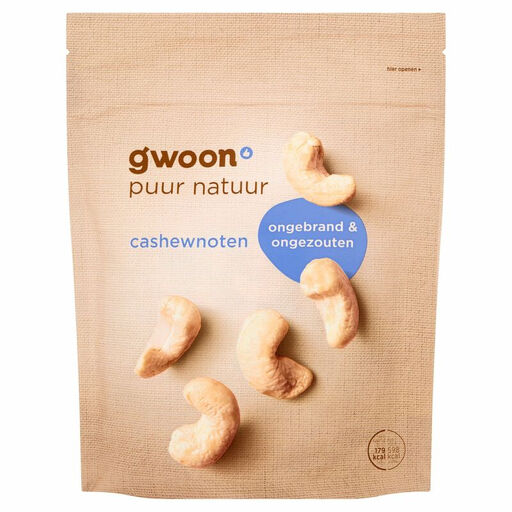
Why this fits the profile: Ideal for anyone looking for a roasted nut with no added salt for snacking or cooking.
The ingredients list consists of cashews according to the product information. Always check the packaging for current allergen information.
200 grams, roasted and unsalted according to the product name. Contains cashews.
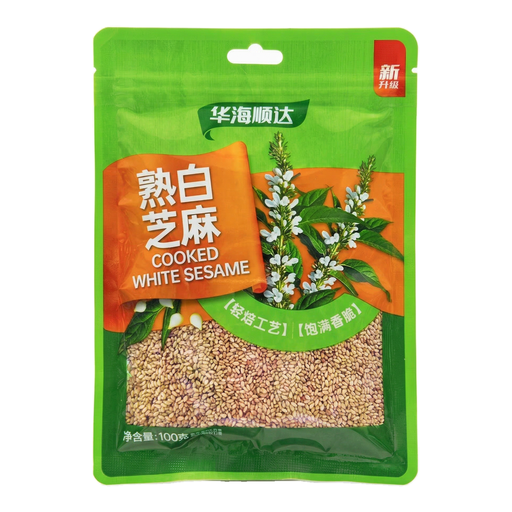
Why this fits the profile: For home cooks who regularly finish rice dishes, sushi, noodles, salads or baked goods with a crunchy topping.
This is roasted white sesame that can be used straight away. So you don’t need to roast raw seeds yourself.
100 grams, roasted and with no added salt according to the product information. Contains sesame.
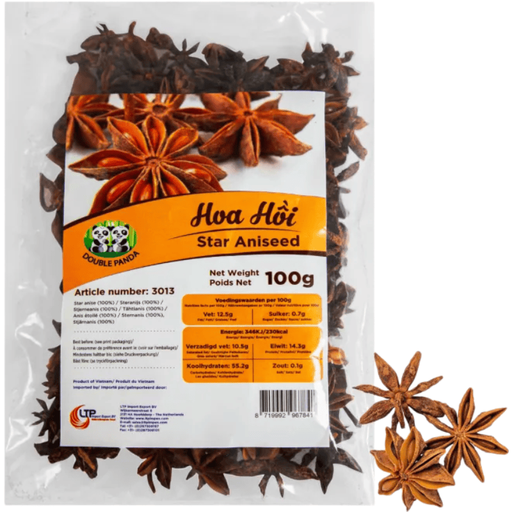
Why this fits the profile: For lovers of global flavours who want a spice for both sweet and savoury preparations.
The ingredients list states 100% star anise. This avoids confusion with ready-made spice blends that contain extra salt or sugar.
100 grams, origin Vietnam according to the product information and suitable for use whole or ground.
We’ve put together a full, up-to-date list of products that fully meet these strict selection criteria and comply with current European safety regulations.
Nuts include peanuts, cashews, pistachios and pine nuts. Sunflower seeds, pumpkin seeds, melon seeds, lotus seeds and sesame seeds are generally sold as seeds or kernels. When buying, the most important things are ingredients, allergens, flavour and use.
This varies per product and packaging. Always check the date and storage advice on the label. Seal dry nuts and seeds airtight and keep them away from heat and moisture. A resealable pack helps, but doesn’t replace proper storage.
That depends on your own preferences and diet. Compare the salt and sugar content per 100 grams and look out for extra ingredients in coatings. For variety, you can choose between plain cashews, salted peanuts, cocktail nuts, roasted seeds and unsalted toppings for dishes.
