
Vandaag of morgen in huis

Kwaliteit gegarandeerd

Welkomstaanbiedingen ontgrendelen: GRATIS bezorging | Tot 80% korting | Gratis 30 dagen JoyPlus-proefperiode
Download de app
Buying nuts and seeds might seem straightforward, but the range on offer varies greatly in flavour, composition, packaging and portion size. A large bag isn't automatically better value if you can't use up the contents in time. Terms like "natural", "premium" or "healthy" also mean very little without a clear ingredients list and nutritional information table.
With these practical checks, you can compare mixed nuts, cashews, macadamia nuts, pistachios, walnuts, peanuts and seeds on a fair basis.
A 300g or 500g pack can be handy for a family, the office or for cooking. For occasional snacking, however, a smaller bag can be more practical. Once opened, the risk of moisture, loss of flavour and a less crunchy texture increases. So check:
A mixed nut pack can be made up mostly of one type. Look at the ingredient order and any percentages listed. In the ChaCha Assorted Nuts Mega Pack 242g, for example, each variant states that different nuts typically make up at least 80% of that individual flavour. The mix combines cashews, macadamia nuts, pistachios, walnuts and apricot kernels, among others.
Also pay attention to flavourings such as sugar, honey, sweeteners, liquorice or spices. A snack mix can therefore turn out very differently from an unsalted nut mix.
Nuts, peanuts, sesame, milk and gluten are common ingredients in nut snacks. Always check the actual packaging, especially with mixed products and spiced nuts. An online product description can change or may not show all warnings in full.
Brands may highlight benefits about their preparation method or nutritional value. Don't take such claims as established proof. According to a brand's own research, a product might be called "fresher" or "more natural", but the verifiable information remains the ingredients list, nutritional information table and packaging.
First, decide what you'll use the snack for:
For unusual flavours, check the extra ingredients. ChaCha Sunflower Seeds Spiced Flavour, for instance, contains salt, spices, vegetable oil, sugar and flavour enhancer E621. That makes it a spiced snack, not a natural product.
Always compare products on the same basis. Pay particular attention to:
According to the product information, g'woon Sugar Peanuts contain 38g of sugars per 100g. The Anatolia salted sunflower seeds list 3g of salt per 100g. These examples show why the flavour name alone is not enough for a proper comparison.
For a lunchbox or on the go, small individually wrapped portions are practical. A larger bag is better for baking, daily use or sharing. Store nuts and seeds in a cool, dry, dark place and keep them tightly sealed. Always follow the label and use opened products promptly where possible.
For products containing multiple individual snacks, such as a nut gift set, also check the earliest best-before date. The contents may include nuts, dried fruit, biscuits and savoury snacks with different allergens.
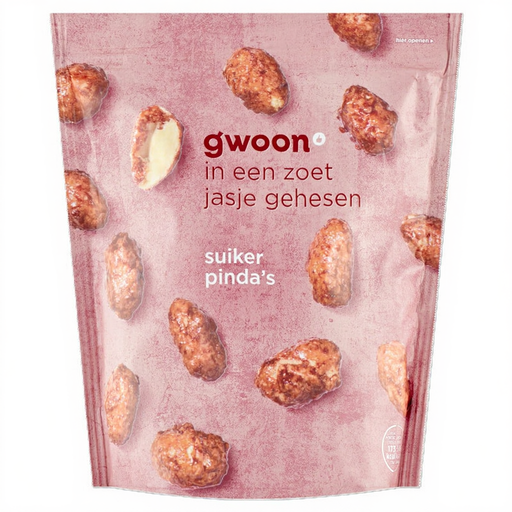
Why this fits the profile: A familiar snack in a 250g pack for anyone wanting to try sugared peanuts without buying a large assortment straight away.
The product information clearly states 59% peanuts and 33% sugar. This shows you it's a sweet snack, not a natural nut product.
250g; clear ingredients list; suitable for fans of a sweet coating.
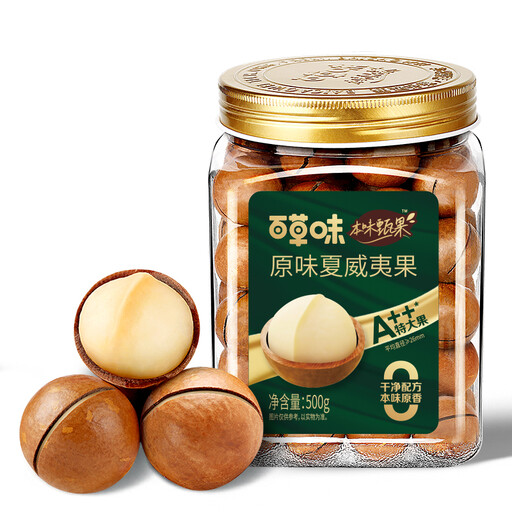
Why this fits the profile: A large pack of 100% macadamia nuts according to the product information, with no added salt, sugar or spices.
The composition is short and clear. So you're not paying for a sugar coating or an elaborate spice mix when you want to buy natural nuts.
500g; 100% macadamia nuts; suitable for snacking, baking, salads and desserts.
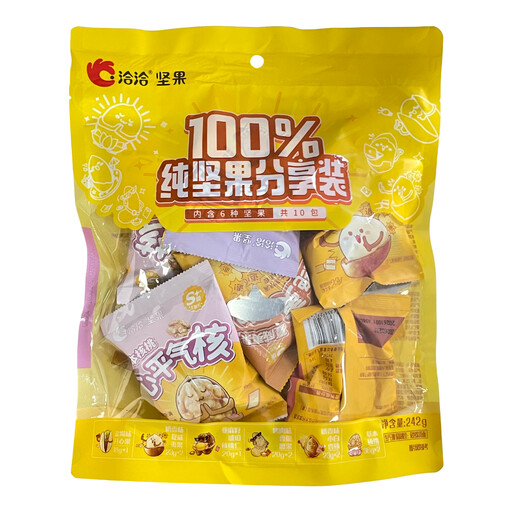
Why this fits the profile: For sharing, on the go or a tasting selection with multiple flavours in one pack.
The variants and allergens are listed in the product information. Do check the label, though, as some flavours contain wheat, milk, sesame, sweeteners or liquorice.
242g; six flavour directions; individually wrapped portions according to the product description.
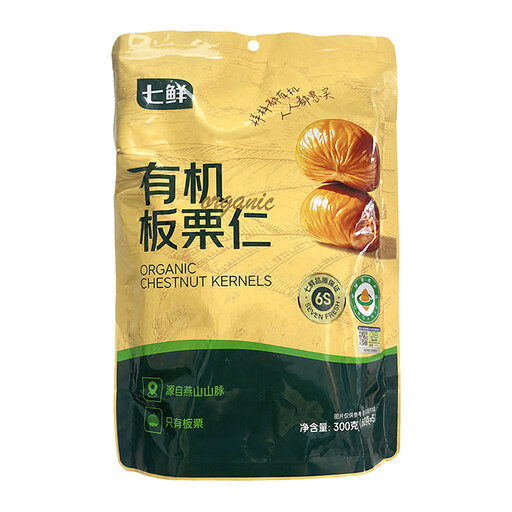
Why this fits the profile: Chestnut kernels are ready to eat and suit gentle snacking, the office, travel or use in dishes.
The product information lists one main ingredient and 0g of fat and salt per 100g. Check the packaging for the current composition.
300g; ready to eat; soft texture; suitable for snacks and recipes.
We've put together a full, up-to-date list of products that fully meet these strict selection criteria and comply with current European safety regulations.
For one person, packs of around 100g to 250g are more manageable. If you're using the nuts for baking, sharing with a household or stocking up the office, look at 300g to 500g. A resealable pack or individual portions helps to keep the contents in better condition.
Salted nuts work well as a savoury snack, but the salt content varies from product to product. Compare the value per 100g and check the ingredients list. With spiced nuts, sugar, oil, flour, milk ingredients or flavour enhancers may also be present.
That depends on the type, packaging and storage. Keep the product cool, dry, dark and sealed. Always follow the instructions on the packaging and don't use the product if the smell, flavour or texture has clearly changed. If you have allergies, check the current allergen information before every purchase.
