
Vandaag of morgen in huis

Kwaliteit gegarandeerd

Welkomstaanbiedingen ontgrendelen: GRATIS bezorging | Tot 80% korting | Gratis 30 dagen JoyPlus-proefperiode
Download de app
Buying nuts and seeds online seems straightforward, until you start comparing labels side by side. A small bag can be relatively expensive, while a large pack isn’t always practical for everyday use. Terms like “roasted”, “organic” and “high in protein” also don’t tell the full story.
The main pitfalls to watch out for are:
First, choose the type of product that suits your eating occasion. Natural nuts and organic seeds often have a short ingredients list. Roasted nuts may have oil and salt added. Flavoured varieties sometimes contain sugar, spices, flavour enhancers or sweeteners.
A clear example is g’woon Sugar Peanuts. According to the product information, this product consists of 59% peanuts and 33% sugar, supplemented with sunflower oil, glucose syrup and honey. This makes it more of a sweet treat than something for someone looking for plain peanuts.
When comparing peanuts, sunflower seeds and pumpkin seeds, always check:
The portion size on the packaging can vary. So use the per 100 grams table to compare products fairly. Pay particular attention to:
For example, the Bio+ Sunflower Seeds contain 0 grams of sugar and 0.15 grams of salt per 100 grams according to the product information. In contrast, the Anatolia salted roasted pumpkin seeds list 3.5 grams of salt per 100 grams. That difference is practically relevant if you eat the seeds regularly.
For daily snacking, a resealable bag is handy, as moisture can reduce the crunchy texture. With a tin, jar or large bag, it’s wise to use a well-sealed storage container after opening. Store nuts and seeds in a cool, dry place away from direct sunlight, as indicated on the packaging.
Also think about how you’ll use them:
Pay extra attention to the form of chestnuts, walnuts, hazelnuts and pine nuts. Shelled products are ready to use in salads, pesto, yoghurt or baking. Unshelled sunflower seeds take more time and can be less practical at the office or on the go.
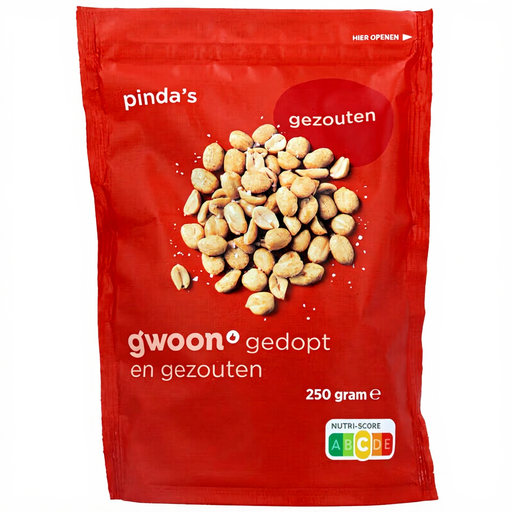
Why this fits the profile: A straightforward 250g pack for anyone who wants to try a familiar, salted snack without committing to a bulk buy.
The ingredients list states 99% peanuts and 0.7% salt. This makes it clear that it’s a salted variety, not a sweet-coated one.
250g, 26.7g protein per 100g according to the product information, and suitable as a snack with a drink.
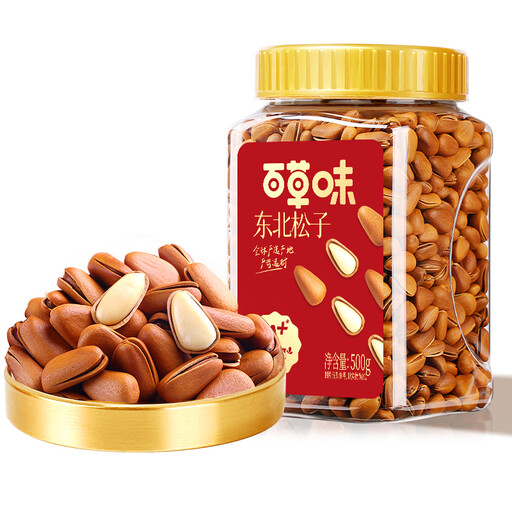
Why this fits the profile: For anyone looking for pine nuts that are ready to eat and can also be used in pesto, salads, baking and Asian dishes.
The product information states a minimum of 98% pine nuts. Always check the actual packaging and allergen information upon receipt.
Large 500g pack and, according to the product information, lightly roasted with vegetable oil.
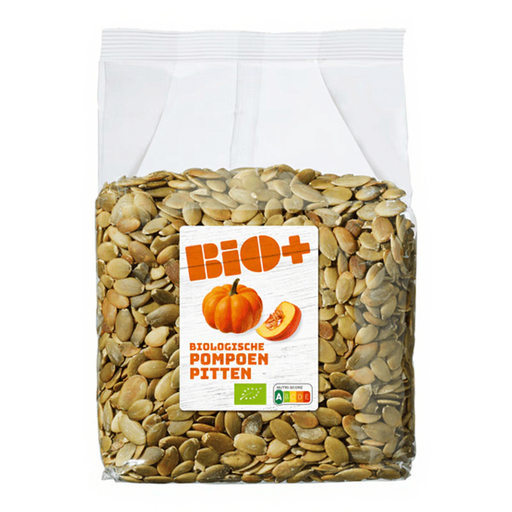
Why this fits the profile: A generous supply for anyone who uses pumpkin seeds in breakfasts, salads, bread, soups or as a standalone snack.
According to the product information, the product consists of pumpkin seeds of organic origin, with no stated flavour mix or added spices.
500g, 18g protein and 7.4g fibre per 100g according to the product information.
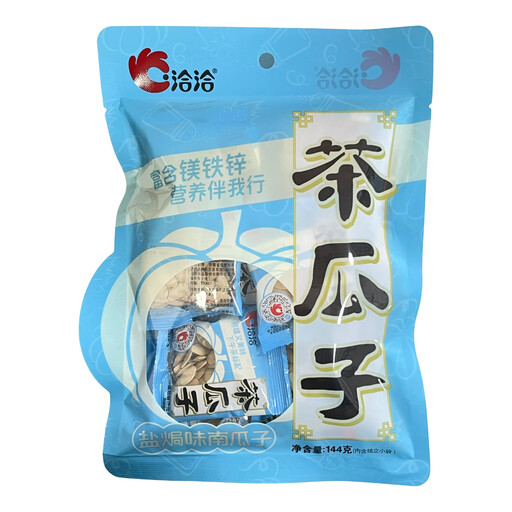
Why this fits the profile: For anyone looking for roasted nuts and seeds with a distinctive flavour for a film night, entertaining guests or a snack with tea.
The flavour profile is clearly stated: salt-roasted with green tea. The ingredients list pumpkin seeds, salt and green tea powder.
144g, ready to eat and, according to the product information, can be used as a topping on salad, yoghurt or ice cream.
We’ve put together a full, up-to-date list of products that fully meet these strict selection criteria and comply with current European safety regulations.
Natural nuts are not roasted or are only minimally processed. Roasted nuts have been heated, which can change their flavour and texture. Check whether oil, salt or spices have been added. The same applies to roasted sunflower seeds and pumpkin seeds.
Keep the packaging tightly sealed in a cool, dry place, away from direct sunlight and moisture. For large packs, an airtight storage container is practical. Always follow the storage and best-before information on the label. Smell and look at the product before eating to check it’s still in good condition.
Walnuts work well in salads, breakfasts and baking. Hazelnuts add crunch to desserts and bread. Pine nuts are often used in pesto and salads. Sesame seeds are suitable for bread, vegetables and dressings. Chestnuts have a softer texture and can be eaten straight away when packed as a ready-to-eat product. Always check the preparation instructions and allergen information for each product.
