
Vandaag of morgen in huis

Kwaliteit gegarandeerd

Welkomstaanbiedingen ontgrendelen: GRATIS bezorging | Tot 80% korting | Gratis 30 dagen JoyPlus-proefperiode
Download de app
Nori seaweed might seem straightforward at first glance: you pick a pack of green sheets and make sushi. However, products vary significantly in size, preparation, flavour, seasoning and shelf life. If you only look at an attractive packet or a term like "premium", you could end up with limp sheets, an overly salty snack, or a quantity that doesn't suit your needs.
This guide will help you compare nori seaweed for sushi, onigiri, kimbap, rice dishes and direct consumption.
A seaweed snack is usually roasted and seasoned with oil, salt, sugar, soy sauce, sesame or other flavourings. That makes it suitable for eating straight away, but not always practical for rolling sushi. Seasoned sheets can break more easily or impart a strong flavour to the rice.
For sushi, maki and onigiri, you'll usually want plain roasted seaweed sheets. For a snack or topping, roasted seaweed and seasoned seaweed are better choices.
A pack of 10 sheets isn't automatically better value than a smaller pack. Always check the net weight, the sheet size and thickness. A pack of 25 to 28 grams with 10 sheets is handy for home use. Larger packs, such as 50 or 100 sheets, are more worthwhile if you regularly make sushi or kimbap.
Nori quickly absorbs moisture from the air. An opened pack can therefore become soft, especially in a humid kitchen. Look for a resealable pack or store the product tightly sealed in a cool, dry, dark place. Use opened sheets within a short time and always follow the storage instructions on the label.
Sushi nori usually consists of flat, roasted sheets. You use them for maki, hand rolls, onigiri and sometimes as a crispy topping. Products such as Saitaku Nori, O'Food Roasted Seaweed For Sushi and Obento Yaki Nori are described as being intended for sushi and similar dishes.
Pay attention to the number of sheets and the dimensions. For a family or multiple sushi evenings, a pack of 50 or 100 sheets can be practical. For a first attempt, 5 to 10 sheets is often enough.
A Korean seaweed snack is often packed in small portions and is ready to eat. The ingredients list may include oil, salt, sugar, soy sauce, sesame or spices. Examples include Strong Happy Time Seaweed, POLI Toasted Seaweed and Sempio Original Seasoned Laver.
If you have allergies, always check the label. Strong Happy Time Seaweed lists soya and wheat as allergens. POLI lists soya and wheat, and Sempio contains sesame. The current packaging is definitive, as composition and packaging information can change.
Wakame is not a substitute for a sushi sheet. This dried seaweed is usually soaked and sometimes cooked before you use it in soup, salad, hotpot or stir-fry dishes. It increases noticeably in volume during soaking.
Shiyuedaotian Wakame 150 g ×2 contains, according to the product information, dried wakame with salt and is intended for soup, salad and hotpot, among other uses. Wakame - Natural Dried Seaweed 100% 50g is also offered as an ingredient for soups and salads. With wakame, check how much salt the product contains and follow the preparation instructions.
Ingredients and flavour profile
For plain nori, seaweed is often listed as the main ingredient or the only ingredient. For a snack, oil, salt, sugar, wasabi, teriyaki or sesame may be added. Choose plain for sushi and seasoned for direct consumption or garnishing.
Ready to use or needs preparation first
Sushi nori and many snacks are ready to use. Dried wakame, on the other hand, may require soaking or cooking. The indication "requires cooking" or a similar instruction is important; do not eat a product raw if the label specifies preparation.
Portion size, packaging and storage
Small portions of 4 to 4.5 grams are handy for lunchboxes and snacks. Individual sachets help maintain crispiness per portion. For heavy use, packs of 50 or 100 sheets are more practical, but always seal the pack carefully after each use.
With seaweed products, nutritional values and salt content can vary widely. Sempio also notes that seaweed naturally contains iodine and advises moderation. Use the information on the packaging as a guide and compare not just calories, but also salt, oil and added flavourings.
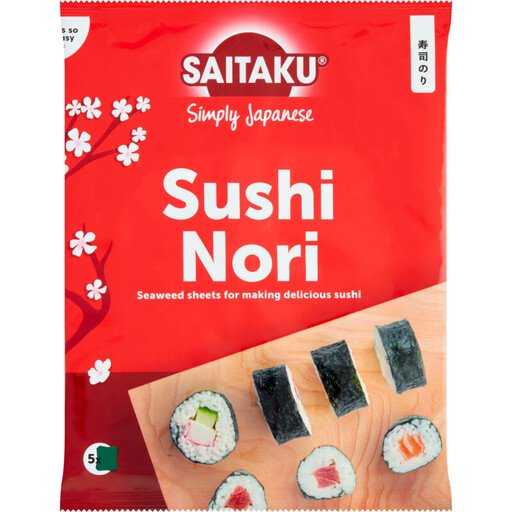
Why this suits the profile: The pack contains 5 sheets and is straightforward for anyone making sushi or onigiri at home for the first time.
It is not a seasoned snack, but nori with a stated purpose for sushi. This means you don't have to compensate for strong flavourings in the ingredients list.
5 sheets; according to the product information, made from red algae from aquaculture; suitable for sushi and stir-fry dishes.
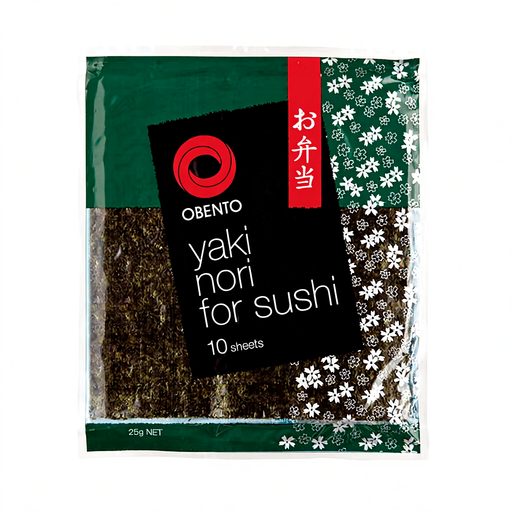
Why this suits the profile: This is a plain roasted product with 10 sheets, suitable for sushi, hand rolls and onigiri.
The number of sheets and net weight are clearly stated. This means you can judge in advance whether the pack suits one meal or multiple preparations.
10 roasted sheets; according to the product description, suitable for sushi, onigiri, hand rolls and rice bowls.
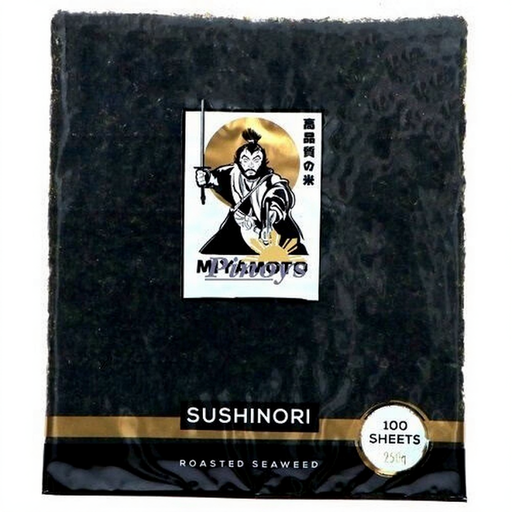
Why this suits the profile: The pack of 100 sheets is intended for large households, parties, frequent sushi-making or food service.
The large number of sheets means you won't have to keep buying small snack packs if you use it regularly. Just store the pack carefully, keeping it dry and sealed.
100 sheets measuring 19 × 21 cm; according to the product information, suitable for sushi, kimbap, wraps and creative dishes.
We've put together a full, up-to-date list of products that fully meet these strict selection criteria and comply with current European safety regulations.
Store unopened nori in a cool, dry, dark place. Seal the pack well after use and keep it away from moisture. A sheet that has gone soft can be less pleasant to roll with and breaks more easily.
That depends on the product. Roasted sushi nori and many seasoned seaweed snacks are ready to eat according to the product information. With dried wakame or cut dried seaweed, soaking, rinsing or cooking may be necessary. Always check the label.
For maki, you typically use one sheet per roll. A pack of 10 sheets is therefore suitable for a small sushi meal or a few practice rounds. If you make sushi, onigiri or kimbap more often, buying 50 or 100 sheets can be more efficient.
