
Vandaag of morgen in huis

Kwaliteit gegarandeerd

Welkomstaanbiedingen ontgrendelen: GRATIS bezorging | Tot 80% korting | Gratis 30 dagen JoyPlus-proefperiode
Download de app
At first glance, nori seaweed seems simple enough: a pack of dark, thin sheets that you roll around sushi or rice. However, products differ significantly in size, number of sheets, ingredients, salt content and use. If you only look out for words like "premium", "authentic" or "extra crispy", you could end up buying a pack that doesn't suit the dish you have in mind.
For sushi, onigiri and kimbap, you'll usually need unseasoned roasted seaweed. For snacking, a seasoned Korean seaweed snack is more practical. And if you want to add seaweed to soups or salads, you're better off looking for dried seaweed such as wakame or kelp. With the checklist below, you can compare nori sheets on practical features rather than marketing language.
A pack of 20 or 25 grams might look appealing, but the number of sheets determines how much sushi you can actually make. Saitaku, for example, contains 5 sheets, whereas Miyamoto and Obento offer packs with 100 and 50 sheets respectively.
So pay attention to:
For a one-off sushi night, a small pack is perfectly manageable. For a family, multiple diners or regular meal prep, a bulk pack can work out more cost-effective and won't run out as quickly.
Not all roasted seaweed is suitable for rolling sushi. A seaweed snack often contains oil, salt, sesame, sugar or flavourings. That gives it more taste for eating straight away, but it can overpower the rice and filling.
Check the label to see whether it contains only seaweed, or whether oil and spices have been added too. For sushi, hand rolls and onigiri, neutral sushi nori and seaweed sheets are usually more practical. For a lunchbox or a quick savoury snack, seasoned varieties are a better fit.
Nori quickly absorbs moisture from the air. This causes the sheets to lose their crispy texture and they can become difficult to roll or may break. So store opened nori seaweed:
Always follow the storage and best-before information on the pack. Do not use a pack if it is damaged.
A sheet measuring 19 × 21 cm, like the Miyamoto Roasted Seaweed, offers plenty of room for sushi rolls, kimbap, wraps and creative uses. Smaller or pre-cut portions are handy if you want to serve quickly or do less cutting.
The colour and thickness give a first impression, but they are not a complete measure of quality. Check above all whether the product is intended for rolling, eating straight away or as a topping. For onigiri, you can use a whole sheet or cut it to size.
Unprocessed nori often lists only seaweed as an ingredient. Other products may contain, for example:
This is particularly relevant if you have allergies or if you want to control the flavour of your homemade sushi yourself. Always read the current label. Product information online may differ from the packaging.
Even with products that do not list any of the 14 main EU allergens, it is still wise to check the packaging. Some snacks mention possible traces of fish, shellfish or other ingredients.
A plain nori sheet can have a relatively simple ingredients list. Seasoned snacks often contain more salt or oil. For example, Bestore Kelp Knots states a salt content of 8.5 grams per 100 grams, while the product is intended as a ready-to-eat snack. That makes it suitable for small portions, but less logical as a neutral substitute for sushi nori.
So compare the nutritional information per 100 grams and per pack. A small bag might seem light, but several portions in a row soon add up.
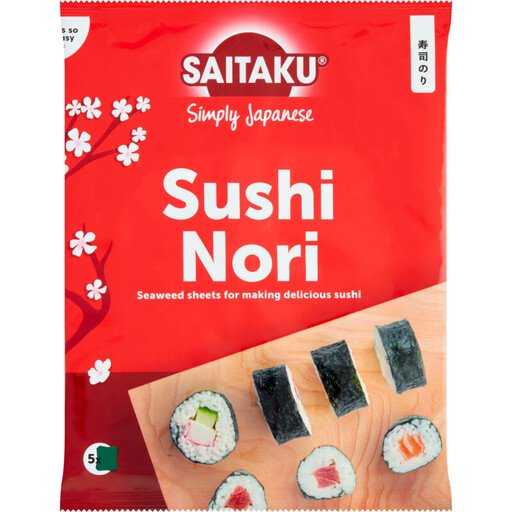
Why this fits the profile: The pack of 5 sheets is manageable for a first sushi night or a small household. The product description mentions use for sushi, stir-fry dishes and salads.
The number of sheets and weight are clearly stated, so you don't have to guess how much sushi you can prepare.
5 sheets per pack; ingredient information lists red algae from aquaculture.
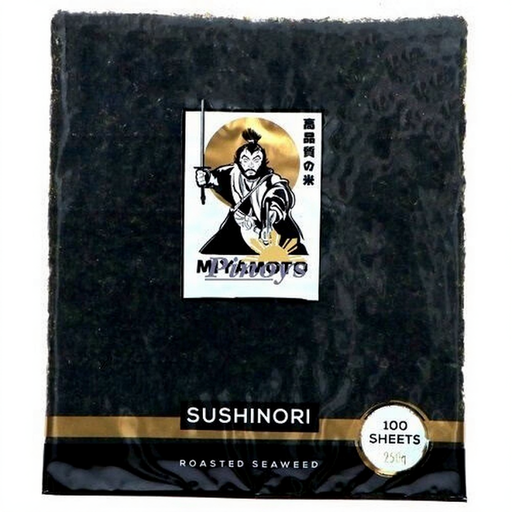
Why this fits the profile: If you regularly make sushi, kimbap or onigiri, 100 sheets give you a generous supply. The 19 × 21 cm size is suitable for various preparations.
The large quantity prevents you from running out of sheets during multiple cooking sessions.
100 sheets; size 19 × 21 cm; roasted seaweed with 100% seaweed listed as the ingredient.
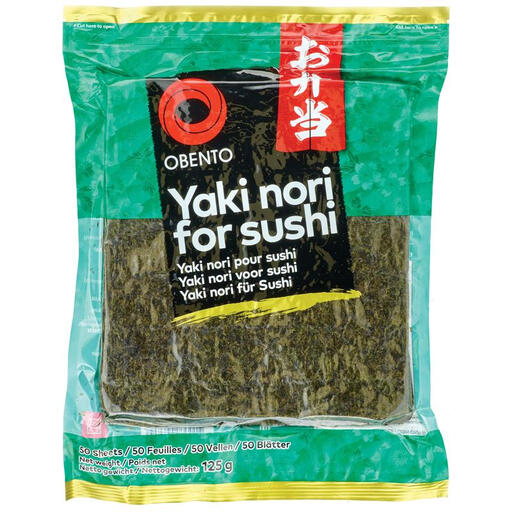
Why this fits the profile: This bulk pack is aimed at regular use at home or in a professional kitchen. The sheets are intended for sushi and snacks.
The clear format of 50 sheets makes the price per sheet easier to compare than with individual snack packs.
50 sheets; 125 grams; suitable for sushi, snacks and regular use.
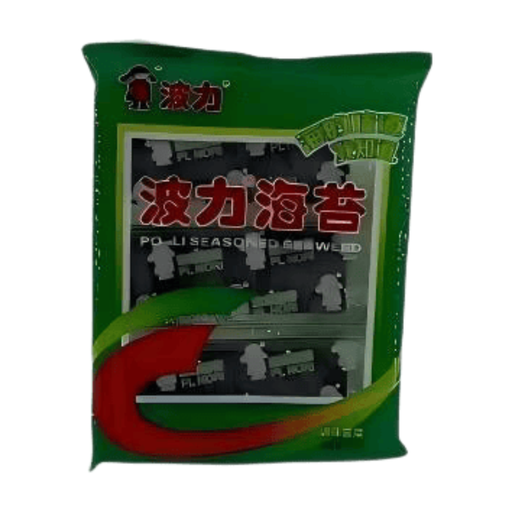
Why this fits the profile: The individually wrapped portion of 4.5 grams is ready to eat and easy to take to work, school or on the go.
The portion pack limits exposure to air once you've opened a sachet. Do check the listed allergens.
4.5 grams per sachet; ready to eat; contains soya and wheat according to the product information.
We've put together a full, up-to-date list of products that fully meet these strict selection criteria and comply with current European safety regulations.
For sushi, place the sheet with the rough side facing up, spread the cooled rice evenly and leave a gap at the edge to seal it. For onigiri, you can cut nori into strips and add them just before eating. This keeps the seaweed crispier for longer.
Dried seaweed such as wakame has a different use. Undaria Pinnatifida, for example, is used in Chinese dishes and, according to the product information, should be stored in a cool, dry place. Kelp or kombu products are different again: they can be offered as a snack, topping or ingredient. So a kelp snack is not automatically a substitute for sushi nori.
That depends on moisture, packaging and use. Seal the bag tightly immediately after use and store it in a dry place. Always check the packaging for the official best-before date. If nori becomes soft, damp or has an unusual smell, it's best not to use it.
Yes, when the product is sold as sushi nori or seaweed for sushi and does not contain strong flavourings. Seasoned Korean seaweed snacks are mainly intended for eating straight away. Check the ingredients, size and number of sheets before you order.
Nori consists of thin sheets that are often roasted and used for sushi, kimbap or onigiri. Kelp is a firmer type of seaweed that also appears as a marinated snack or cooking ingredient. Wakame is usually sold dried and, after preparation, used in soups, salads and other dishes. So the right choice depends on the recipe, not just the word "seaweed" on the pack.
