
Vandaag of morgen in huis

Kwaliteit gegarandeerd

Welkomstaanbiedingen ontgrendelen: GRATIS bezorging | Tot 80% korting | Gratis 30 dagen JoyPlus-proefperiode
Download de app
Buying noodles and pasta online might seem straightforward, until you have to choose between Asian noodles, rice noodles, udon noodles, stir-fry noodles, instant noodles and regular pasta. Packaging often focuses on flavour, speed or a particular texture. Yet it's the ingredients, preparation method and portion size that really determine whether a product suits your kitchen.
A short cooking time doesn't always mean you can toss the noodles straight into the wok. Some rice noodles need to be soaked first and then rinsed. According to the product information, Conimex Rice Noodles must be soaked in hot water for three minutes and should not be eaten raw. With stir-fry noodles, boiling, draining and rinsing may be necessary before adding them to a stir-fry.
Always check whether a product:
A bulk pack can be handy for a large household, catering or meal prep. For a student or a household with limited storage space, 6 kilograms of noodles can be impractical. Don't just look at the price per pack; also consider the price per portion and the shelf life after opening.
Marketing terms don't always tell you enough about the composition. Check the label for types of flour, starch, oil, salt and allergens. Gluten-free noodles made from rice typically contain no wheat, but always check the packaging and any mention of possible cross-contamination. A product with konjac may have a low energy value per 100 grams, but that doesn't automatically make it suitable for every meal or preference.
The base ingredient determines the texture and use:
Check for allergens such as gluten, wheat, soya, milk, sesame and fish. With instant noodles, the salt is often concentrated in the sauce or seasoning sachet. Using less sauce will also change the final flavour and nutritional profile.
For quick meals, both cooking time and the steps involved are important. Rice noodles, for example, can be ready in two to three minutes, but sometimes require a soaking step. Pre-cooked udon noodles are practical for soups and stir-fries. Instant noodles are usually packed in individual portions and prepared with boiling water, but always check the instructions on the packet.
A pack of 200 to 275 grams is often suitable for one to several portions, depending on the meal and any additions. Products like dried rice noodles and pasta are generally best stored in a cool, dry place. A product that needs to be refrigerated after opening, such as some konjac varieties, requires more space in the fridge. Also read the date and usage instructions on the packaging; this information can vary from batch to batch.
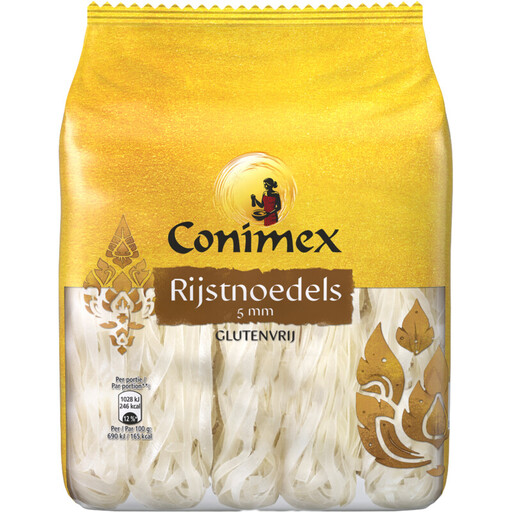
Why it fits the profile: The 225-gram pack is a manageable size for anyone wanting to make simple stir-fries, soups or Pad Thai at home without buying in bulk straight away.
The product information clearly states that the noodles need to soak for three minutes and should not be eaten raw. This makes the short cooking time easier to plan around.
5 mm wide, made from rice flour and tapioca starch. According to the product information provided, it contains none of the 14 major EU allergens.
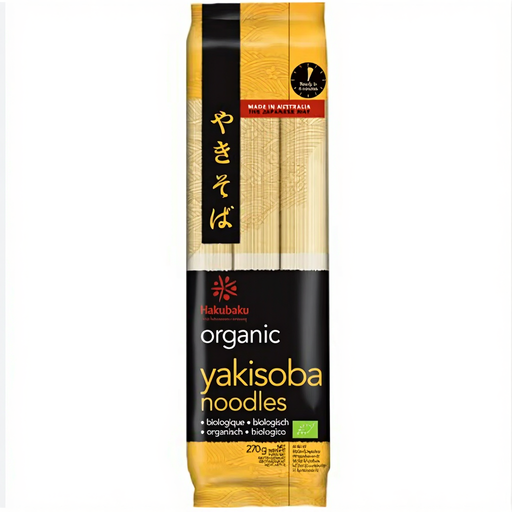
Why it fits the profile: According to the product description, these wheat noodles are designed for stir-frying and work well in meals with vegetables, meat or fish.
The intended use is clearly described: stir-fry with vegetables, meat or seafood. This stops you from choosing a softer noodle for a dish that needs a firm texture.
270 grams per pack, with a stated firm, springy texture. Contains wheat and gluten; check this if you have allergies.
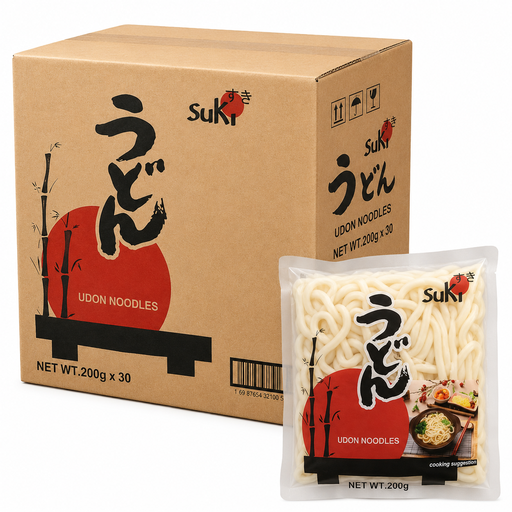
Why it fits the profile: The box contains 30 packs of 200 grams, making it ideal for large households, party meals, meal prep or professional use.
The quantity is clear upfront: 6,000 grams in total. This means you can assess your stock and storage space before ordering.
Pre-cooked udon noodles for soup, salad and stir-fries. Ingredients: wheat flour, water and salt; contains gluten.
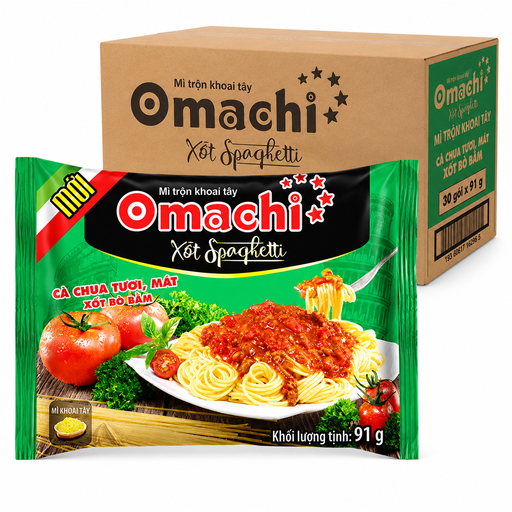
Why it fits the profile: Individual portions and a three-minute cooking time make these practical for students, lunch breaks and evenings when you want to keep cooking to a minimum.
The preparation steps are specific: 400 ml of boiling water, three minutes covered, then drain and mix in the sauce. This makes the portion predictable.
91 grams per portion, with potato starch according to the product description. Contains wheat, soya and fish; check the label if you have allergies.
We've put together a full, up-to-date list of products that fully meet these strict selection criteria and comply with current European safety regulations.
For stir-fries, wok noodles, yakisoba noodles and udon noodles are practical choices. Pay attention to the preparation method: some varieties need to be boiled or soaked first. Rice noodles are suitable for stir-fries, but can break more easily if heated for too long.
Rice noodles are often made from rice flour and tapioca starch, and can therefore be produced without wheat. This doesn't automatically apply to every variety. Check the ingredients list, allergen information and any warning about traces on the packaging before you order.
That depends on the price per 100 grams, the number of portions and how much of the product you actually use. A large pack of udon can be good value if you use it regularly, while individual instant noodles require less storage and preparation. Compare the price per portion and take into account extra ingredients like vegetables, protein and sauce.
