
Vandaag of morgen in huis

Kwaliteit gegarandeerd

Welkomstaanbiedingen ontgrendelen: GRATIS bezorging | Tot 80% korting | Gratis 30 dagen JoyPlus-proefperiode
Download de app
Buying multivitamins may seem straightforward, but there are significant differences between products. Consider age, dosage, ingredients, allergens and the form of the supplement. Cheerful packaging or the word “complete” says little by itself about whether a product is suitable for your needs.
Especially when choosing multivitamins for children, multivitamins for men, multivitamins for women or a 50+ multivitamin, it is important to look beyond the front of the packaging. Below, you’ll find the key points to check before making your choice.
A product with particularly high dosages may sound appealing, but more is not always necessary. Check the amount per tablet, gummy or daily serving. Also pay attention to the recommended age and the maximum number of pieces per day.
A product intended for adults should not automatically be given to a child. Several supplements may also contain the same vitamins, such as a multivitamin taken alongside separate vitamin D for children. Add up the total daily intake accordingly.
Gummies are easy to take, but they often contain sugar, glucose syrup or sweeteners. Vitamin chewable tablets can be an alternative for children who cannot swallow capsules. A liquid product can be convenient for young children, provided you use the measuring cap accurately.
When choosing vitamin gummies, check the following:
Words such as “complete”, “high dose” or “for extra energy” are no substitute for an ingredients list. According to brands’ own product information, certain vitamins and minerals may contribute to normal bodily functions. This does not mean that a supplement replaces a varied diet or treats medical conditions.
Always check the full composition, allergen information and instructions for use. If you are pregnant, breastfeeding, taking medication or have a medical condition, it is advisable to consult a doctor or pharmacist.
The age shown on the label is one of the most important selection criteria. Examples from the range include:
A multivitamin for children is tailored to a different daily requirement than an adult product. Don’t just look at the brand name; also check the exact age recommendation on the product page.
Compare the amounts per recommended daily dose, not just per tablet. For example, one product may recommend one tablet per day, while another requires two gummies. At the very least, check:
For a product containing ginkgo biloba, the brand’s own product information links this ingredient to memory and concentration. Treat this as a brand claim and, if you take medication, always check first whether the product is suitable for you.
If you follow a vegan diet, check the source of the capsule, tablet or gummy. Some gummies contain pork gelatine, while other products are marketed as vegan or vegetarian. Also verify claims such as sugar-free, lactose-free and gluten-free against the latest product information.
A vegan multivitamin may, for example, be suitable for a plant-based diet, but that does not automatically make it suitable for every age group or for use alongside other supplements.
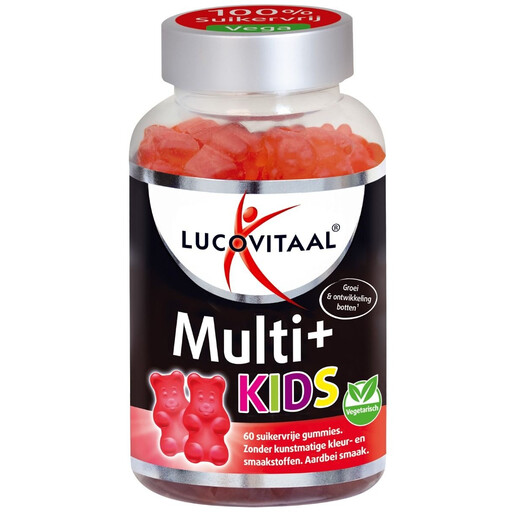
Why it suits this profile: This variety is intended for children aged 5 and over and requires one gummy per day. The strawberry flavour and compact format make it easy to fit into a daily routine.
The product information states the age limit, daily dosage and composition per gummy. The product is marketed as sugar-free, although maltitol and other sweeteners are listed on the label.
60 gummies, one per day from age 5, natural strawberry flavour and no allergens declared.
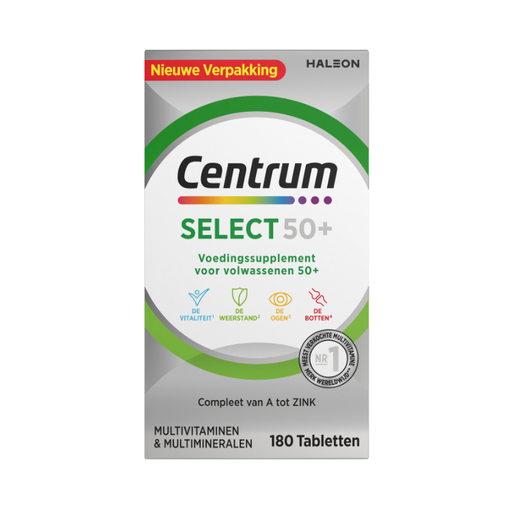
Why it suits this profile: This 50+ multivitamin is designed for men and women aged 50 and over and is taken as one daily tablet during or after a meal.
The target group, dosage of one tablet per day and pack size of 180 tablets are clearly stated. This makes it easier to estimate the duration of use and overall cost in advance.
180 tablets, a daily dosage of one tablet and, according to the product details, gluten- and lactose-free.
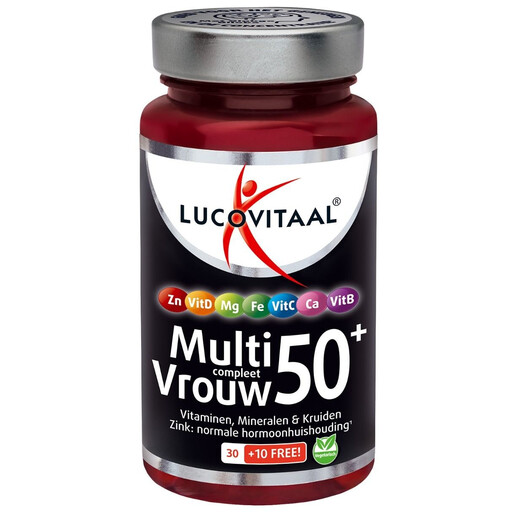
Why it suits this profile: This vegan variety is designed for women aged 50 and over and contains vitamins, minerals and ginkgo biloba, among other ingredients, according to the product information.
The vegan status and recommended intake of one tablet per day are clearly stated. If you take medication, check first whether ginkgo biloba is suitable for you.
Vegan, 40 tablets, one tablet per day and a formula containing vitamin D, B vitamins, calcium and iron, among other nutrients.
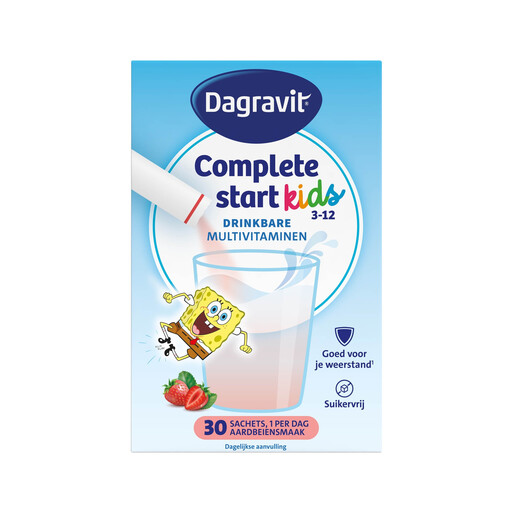
Why it suits this profile: This drinkable product is intended for children aged 3 to 12. One sachet is dissolved in 200 ml of water, which can be convenient for children who do not want to chew tablets.
The instructions specify the exact amount of water and the age limit. The product information also states that the formula is free from lactose, gluten and sugar.
30 sachets, strawberry flavour, drinkable format and 10 micrograms of vitamin D3 per sachet according to the product label.
We’ve compiled a complete, up-to-date list of products that fully meet these strict selection criteria and the applicable European safety regulations.
Start by choosing according to age, then consider the format. Liquid vitamins or melt-in-the-mouth tablets are practical for young children. For children aged 3 and over, there are various children’s vitamins, chewable tablets and gummies. Always check the dosage, allergens and age limit on the label.
This depends on the number of pieces and the daily dosage. Divide the number of tablets, gummies or sachets by the prescribed number per day. Also check the shelf life and any instructions stating that the product must be used within a certain period after opening.
Not always. Compare the price per daily dose, not just the price of the pack. A tub containing more pieces may appear better value, while the recommended intake is higher. Also check whether you are paying extra for flavour, sweeteners or a specific dietary claim.
