
Vandaag of morgen in huis

Kwaliteit gegarandeerd

Welkomstaanbiedingen ontgrendelen: GRATIS bezorging | Tot 80% korting | Gratis 30 dagen JoyPlus-proefperiode
Download de app
Choosing a new mountain bike can be overwhelming. The market is flooded with technical jargon, countless specifications, and marketing promises. Many buyers fall into the trap of overpaying for features they'll never use, or choosing a model that no longer meets their needs after just a few months. This leads to unnecessary expenses and cycling frustration.
As a Joybuy Product Recommendation Officer, I see where things go wrong every day. The most common pitfalls are:
This guide will help you avoid these mistakes and choose a model that truly fits your needs, without exceeding your budget.
Before you make a choice, it's crucial to understand three core aspects. These determine 90% of whether a bike is right for your goals.
The braking system is crucial for your safety, especially in unpredictable weather.
The right size is essential for a comfortable and safe ride. The most common sizes for adults are 26, 27.5, and 29 inches.
Always check the manufacturer's size chart, which indicates the recommended rider height for a specific frame size.
Not every rugged bike is a mountain bike. For specific purposes, there are specialised bikes.
Below are several models that align well with specific user profiles, based on their objective specifications.
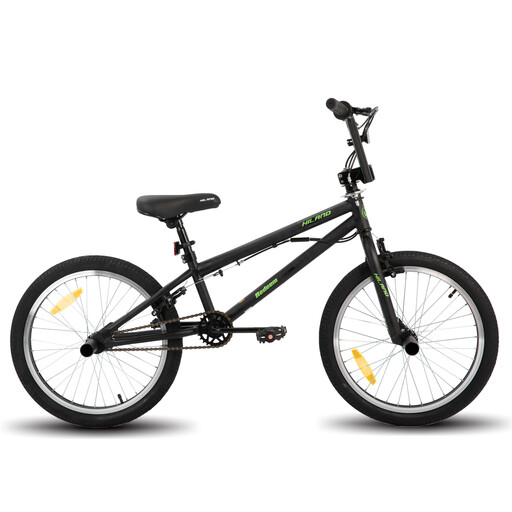
Why This Fits Their Persona: Specifically designed for kids and teens who want to start with freestyle tricks. The robust steel frame and wide tyres are made for the skatepark and the street, not for forest trails.
This is a pure freestyle BMX bike, not a mountain bike trying to be a stunt bike. You're not paying for unnecessary gears or suspension, but for the components that matter for stunts.
Equipped with a 360° rotor for unlimited handlebar rotations and 4 pegs to start doing stunts right away.
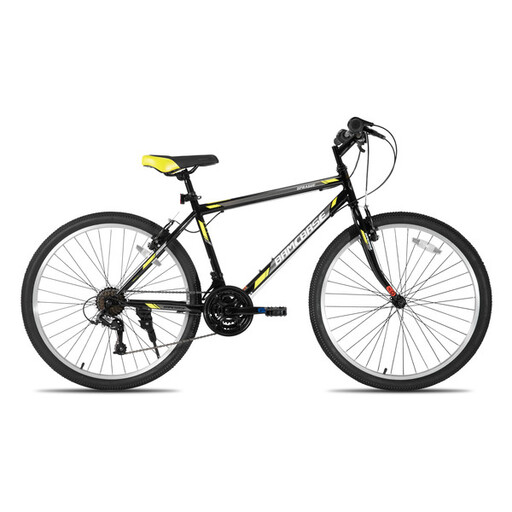
Why This Fits Their Persona: A versatile and affordable beginner's mountain bike. Ideal for commuting, running errands, and recreational weekend rides on bike paths and light gravel roads.
Focuses on a solid foundation with 21 speeds and reliable V-brakes. This avoids the extra cost of disc brakes, which aren't strictly necessary for urban use and light tours.
The 21 speeds offer enough range for both flat terrain and hills. The V-brakes are easy to adjust and maintain yourself.

Why This Fits Their Persona: For those who want to explore forest paths and unpaved routes and need reliable braking performance, even when it gets wet and muddy.
Offers the safety of a bike with disc brakes without the high price of a professional model. This avoids the pitfall of V-brakes, which can fall short on the trails.
The dual disc brakes provide direct and consistent stopping power in all conditions, which boosts confidence on unpaved terrain.
We have compiled a complete, up-to-date list of products that fully meet these strict selection criteria and current safety regulations.
For most beginners, a system with 18 or 21 speeds is more than sufficient. This provides a wide range for both flat sections and the occasional hill or bridge. The quality and smoothness of the shifting system are more important than the sheer number of gears.
Absolutely. A mountain bike is a robust and comfortable option for daily use. The wider tyres provide comfort on cobblestones and uneven surfaces. For purely urban use, you might consider swapping the knobby tyres for ones with a smoother tread for less rolling resistance.
Traditionally, women's frames had a lower top tube for easier mounting and dismounting. Today, this distinction is less strict, and many models are unisex. The main difference is often in the frame size, saddle shape, and sometimes the colour scheme. Always choose a bike based on the size chart and your own height, regardless of whether the model is labelled as 'men's' or 'women's'.
