
Vandaag of morgen in huis

Kwaliteit gegarandeerd

Welkomstaanbiedingen ontgrendelen: GRATIS bezorging | Tot 80% korting | Gratis 30 dagen JoyPlus-proefperiode
Download de app
Would you like to buy mochi for a film night, as a gift, for dessert or to enjoy with friends? You will soon find a wide range of varieties mixed together: Japanese mochi, fruit mochi, matcha mochi, bubble tea mochi and other Asian snacks. The packaging often looks appealing, but the flavour, texture, portion size and storage advice can vary considerably.
A low price does not always tell you much about the contents either. So before ordering, check the ingredients, allergens and storage instructions. This will help you avoid choosing a product that does not suit your taste, occasion or household.
A name such as mango, matcha or ramune does not tell you exactly what the filling or outer layer will taste like. For example, a fruit variety may contain fruit juice, flavouring and colourings, while another mochi may have a creamy or bean filling. If you are expecting a distinctly fruity snack, you could therefore be disappointed.
Check the ingredients list and product description. Also pay attention to the country of origin: Japanese sweets are not produced exclusively in Japan. Some products are inspired by Japanese mochi but may, for example, come from Taiwan or China.
Mochi is known as a soft rice cake with an elastic, chewy texture. This makes it different from ordinary Japanese sweets or a gummy. Some varieties are eaten at room temperature, while others need to defrost first or taste best when chilled.
For example, Q-Brand Cocoa Mochi Passion Fruit should be stored at a maximum of -18 °C and left to defrost for 10 to 15 minutes before eating. Do not heat this variety in the microwave. This is important information if you have limited freezer space.
A pack weighing 80, 120 or 210 grams may contain different numbers of pieces. Individually wrapped mochi are convenient for sharing or taking with you, while a bag of smaller pieces may be suitable for a group.
The advice after opening varies by product. Some varieties should be eaten immediately, while others should be sealed and stored in the fridge. Always check the date and instructions on the packaging. This information takes priority, especially when the product page provides general storage guidance.
At the very least, check these points:
For example, the product information for Seiki Ramune Mochi lists soya and possible traces of wheat and milk. Yuki & Love Mochi Rice Cake Mango may contain traces of gluten, peanuts, nuts, soya and sesame. So read the label yourself whenever an allergy or intolerance is a factor.
The right texture is linked to temperature. Pay attention to the following:
Mochi has a sticky texture. Always supervise young children while they are eating it and follow the warnings on the packaging.
Choose based on when you want to serve the snack:
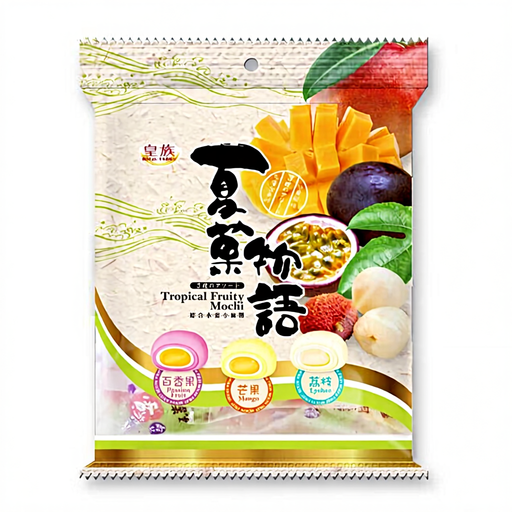
Why it suits this profile: The mini pack with tropical fruit flavours is an accessible way to try or share mochi.
The product information lists 120 grams, mango, passion fruit and lychee juice, as well as clear storage advice. However, do check the listed milk and mango allergens.
A tropical flavour combination, 120 grams of contents and a shareable Asian snack.
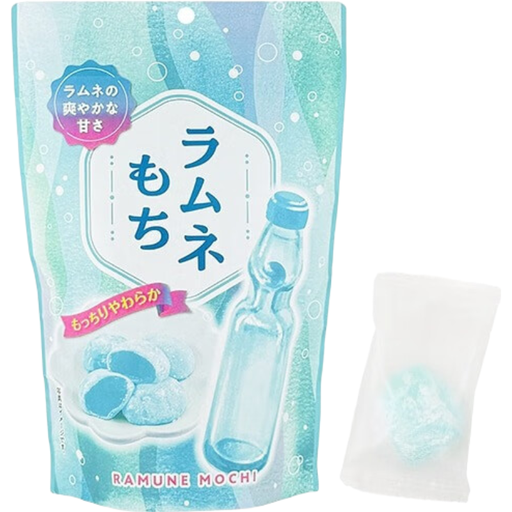
Why it suits this profile: For anyone looking for a distinctive Japanese flavour and polished presentation for a gift, party or tasting session.
The pieces are individually wrapped, making them less likely to dry out and easier to share. The packaging remains the deciding factor for shelf life.
130 grams of contents, individually wrapped portions and a ramune soft drink flavour according to the product description.
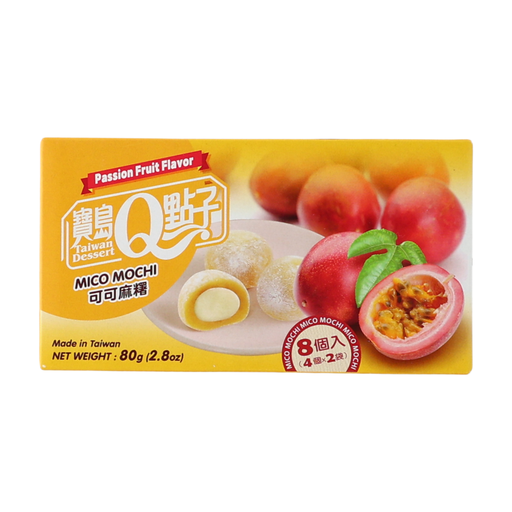
Why it suits this profile: This variety is aimed at consumers who want a dessert-style combination of cocoa, milk chocolate and passion fruit, and who have space in the freezer.
The label clearly states that it must be stored frozen, gives the defrosting time and prohibits microwave use. This makes the preparation method clear in advance.
A cocoa outer layer, milk chocolate filling with passion fruit and a clearly stated 80-gram portion.
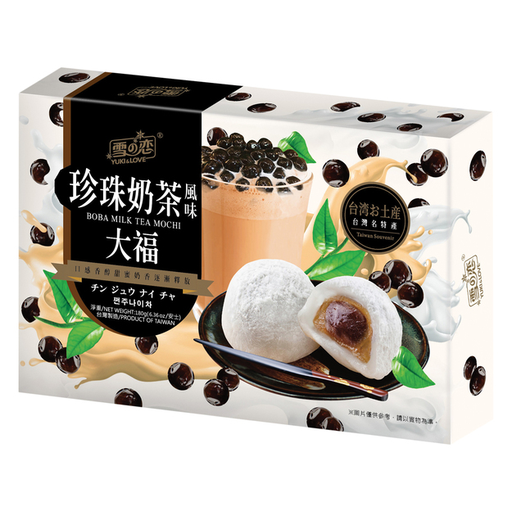
Why it suits this profile: A great choice for anyone who wants to try bubble tea mochi with a brown sugar and milk tea-style flavour profile.
The product information lists soya and advises storing the opened pack in the fridge and consuming it within one day.
A generous 180-gram pack and a clearly distinctive milk tea flavour profile.
We have put together a complete, up-to-date list of products that fully meet these strict selection criteria and the applicable European safety regulations.
You can buy mochi online from specialist shops selling Japanese sweets and Asian snacks. In particular, compare the flavour, weight, number of pieces, allergens and storage instructions. This means you will not be buying based on the packaging alone.
It varies by product. Some mochi should be eaten immediately, while others need to be stored in the fridge after opening. For example, Yuki & Love Mochi Boba Milk Tea states that it should be kept in the fridge for one day. Always check the label for the latest shelf-life information.
Not always. Many products can be stored in a cool, dry place at room temperature. Frozen mochi, such as Q-Brand Cocoa Mochi Passion Fruit, must be stored at a maximum of -18 °C and defrosted before consumption. The product packaging determines which method applies.
