
Vandaag of morgen in huis

Kwaliteit gegarandeerd

Welkomstaanbiedingen ontgrendelen: GRATIS bezorging | Tot 80% korting | Gratis 30 dagen JoyPlus-proefperiode
Download de app
Buying mineral water seems straightforward: choose a brand, size and pack. Yet households sometimes pay for a product that doesn’t suit how they use it. A large bottle, for example, is less practical when you’re out and about, while smaller bottles can work out more expensive per litre. Terms such as “pure”, “premium” or “light” don’t automatically tell you anything about mineral levels or whether a product is suitable for a particular use.
Use these checks to compare natural mineral water, still water and sparkling water using clear information on the label.
A pack of six bottles may look like good value, but always compare the price per litre. A pack of 1.5-litre bottles contains 9 litres in total. A bulk pack of 2-litre bottles often contains more water per case, but it also takes up more space and is heavier to lift.
Bulk packs can be practical for offices, families and hospitality businesses. For a one-person household, a smaller pack may help reduce waste from bottles that have been open for a long time.
“Soft”, “pure” and “lightly mineralised” aren’t enough to compare products fairly. Check the analysis in milligrams per litre (mg/l). Key values include:
According to the product information, Bar Le Duc, for example, contains 10.6 mg of sodium per litre and has a dry residue of 170 mg/l. Spa Reine Eco Pack 5L lists around 3 mg of sodium per litre and a dry residue of 38 mg/l. These are verifiable differences, but one set of values isn’t automatically right for everyone.
A 500 ml bottle of water is handy for work, sport or when you’re out and about, but it uses more packaging per litre than a 1.5- or 2-litre bottle. A 5- or 10-litre mineral water eco pack can reduce the number of individual bottles, but you’ll need a clean, stable place to store it and should use the tap carefully.
Check the seal too. Don’t use a bottle or pack if the seal is broken, it’s leaking or it’s visibly damaged.
Still water contains no added carbon dioxide. It’s often a good choice for everyday drinking, cooking and making coffee or tea. Sparkling water usually lists carbon dioxide among the ingredients. The amount of carbon dioxide and the intensity of the fizz vary by product.
Smaller packs are handy when you’re out and about. Spa Intense, for example, is available as sparkling mineral water in 24 500 ml PET bottles. San Pellegrino is available as sparkling water in a 1-litre bottle. If you choose sparkling water, check whether you want bottles or cans and whether you have somewhere to chill them.
If you’re looking for mineral water that’s low in sodium, compare the sodium content per litre rather than relying on the brand name. Product information sometimes also says “suitable for a low-sodium diet”. Treat this as information from the manufacturer and always check the current label, especially if you’re following a medically supervised diet.
Examples from the available product information:
When choosing mineral water for baby feeds, low levels of sodium, nitrate and fluoride are important things to check. According to their product descriptions, several Spa Reine and Bar Le Duc products state that they’re suitable for preparing baby feeds. This is a product claim, not personal dietary advice.
Always follow the preparation instructions from the baby food manufacturer. Prepare feeds hygienically, use only an undamaged pack and store opened bottles according to the label instructions. If you’re unsure about feeding a baby, speak to a midwife, health visitor or doctor.
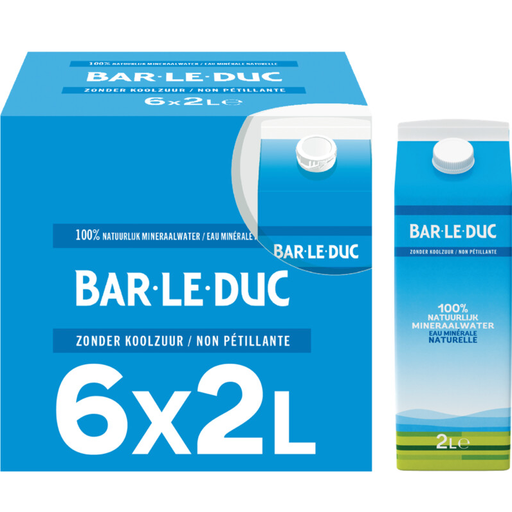
Why it suits this profile: Six 2-litre bottles provide 12 litres of still water for families, cooking and everyday use. The volume per bottle is clearly stated, making it easy to compare the price per litre.
The total volume and mineral analysis are clearly stated. You don’t have to rely solely on terms such as “pure” or “refreshing”.
12 litres per pack; 10.6 mg of sodium per litre according to the product analysis; suitable for everyday drinking and cooking.
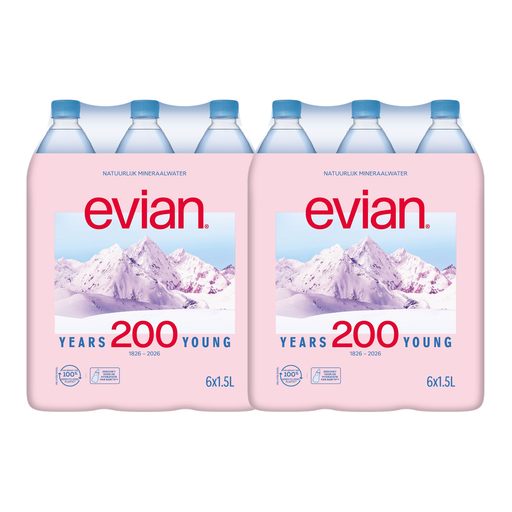
Why it suits this profile: The mineral analysis is shown in detail, including calcium, magnesium, sodium and bicarbonate per litre. This makes the pack a good choice if you want to compare products carefully.
The choice is based on published values, not just the brand description. When your order arrives, check the label and best-before information.
Pack of 1.5-litre bottles; 80 mg of calcium, 26 mg of magnesium and 6.5 mg of sodium per litre according to the product information.
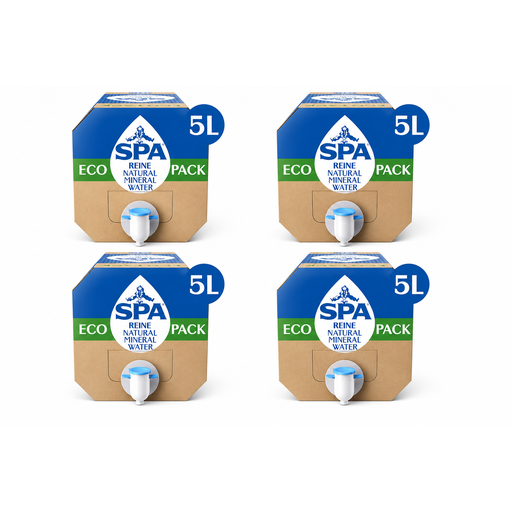
Why it suits this profile: Four 5-litre packs are aimed at families, offices and anyone who wants to keep plenty of water in stock. The product information states that it has a low sodium content and is suitable for baby feeds.
The larger volume means you don’t have to buy only small bottles. Use the tap hygienically and store the opened pack according to the instructions.
20 litres in total; around 3 mg of sodium per litre; 5-litre eco pack for stocking up and sharing.
We’ve put together a full, up-to-date list of products that meet these strict selection criteria and the applicable European safety regulations.
It depends on the mineral levels and the information on the label. Some products state that they’re suitable for baby feeds, according to the manufacturer. Always check sodium, nitrate and fluoride, use an undamaged pack and follow the baby food preparation instructions.
Follow the instructions on the pack. The available product information generally advises keeping an opened bottle chilled and using it within the stated period. Close the bottle securely after each use and don’t drink from a pack if the seal is damaged.
A bulk pack may have a lower price per litre, but this isn’t guaranteed. Compare the total price, number of litres, type of packaging and any delivery costs. Also consider storage space and the weight of, for example, a pack of 2-litre bottles.
