
Vandaag of morgen in huis

Kwaliteit gegarandeerd

Welkomstaanbiedingen ontgrendelen: GRATIS bezorging | Tot 80% korting | Gratis 30 dagen JoyPlus-proefperiode
Download de app
Buying mineral water may seem straightforward, but the options vary considerably in taste, size, mineral content and packaging. A small bottle is convenient for when you’re out and about, while a multipack of 1.5- or 2-litre bottles is better suited to everyday use at home. For families with a baby or people monitoring their sodium intake, the information on the label is particularly important.
When comparing products, don’t just look at the brand name or packaging. Also check whether you’re looking for still mineral water, sparkling mineral water or a large EcoPack. This will help you avoid paying too much for a size that doesn’t suit the way you use it.
A pack containing 12 bottles may look large, but 12 x 500 ml adds up to 6 litres in total. A pack with six 1.5-litre bottles contains 9 litres. So always compare the price per litre, rather than just the price per pack.
For a household that drinks water every day, 1.5- or 2-litre bottles are often practical. For sport, work or school, 500 ml or 750 ml bottles are easier to carry. However, a mineral water multipack with small bottles may mean more packaging material per litre.
The total amount of minerals and the sodium content are two different things. Check the label for sodium, usually shown in mg per litre. For example, Spa Reine lists approximately 3 mg of sodium per litre. Evian lists 6.5 mg per litre. Bar-le-Duc lists 10.6 mg per litre in the product specifications provided.
These figures are objective product details. If you follow a medically supervised or low-sodium diet, it’s wise to check the label and consult a healthcare professional if you’re unsure.
Some packaging states that the water is suitable for preparing baby food. This doesn’t mean you can skip the hygiene requirements. Only use undamaged packaging with an intact seal, touch the tap or opening as little as possible, and always follow the preparation instructions provided by the baby food manufacturer.
The packaging instructions also apply after opening. Store bottles and EcoPacks away from direct sunlight and excessive heat.
Still mineral water naturally contains no carbon dioxide or has no carbon dioxide added. According to the product information, Spa Reine Still is non-sparkling natural mineral water. This type is suitable for everyday drinking, cooking and preparing baby food where the label states this.
Sparkling mineral water contains carbon dioxide. According to the product specification, SPA Intense Sparkling is natural mineral water with carbon dioxide. Check whether you’re looking for lightly sparkling or intensely sparkling water. Sparkling water is particularly suitable as a drink with meals or as an alternative to soft drinks, but not every pack is intended for preparing baby food.
The key figures to compare are:
For example, Spa Reine lists a dry residue of 38 mg per litre, while Evian lists 80 mg of calcium, 26 mg of magnesium and 360 mg of bicarbonate per litre. Bar-le-Duc lists, among other things, 47 mg of calcium and 170 mg of bicarbonate per litre. Use these figures to compare taste and composition, not as a medical assessment.
Larger packaging reduces the number of individual bottles, but takes up more space. A mineral water EcoPack of 5 or 10 litres is convenient for home use and households that drink water frequently. According to the product description, the Spa Reine EcoPack packaging consists of at least 87% recycled cardboard and offers an average plastic reduction of 65% compared with other packaging. This is a brand statement; check the latest information on the product page and packaging.
Store mineral water in a cool, dry place away from direct sunlight. Use opened packaging within the stated period and close the cap or tap securely. An EcoPack is intended for single use and must not be refilled or reused.
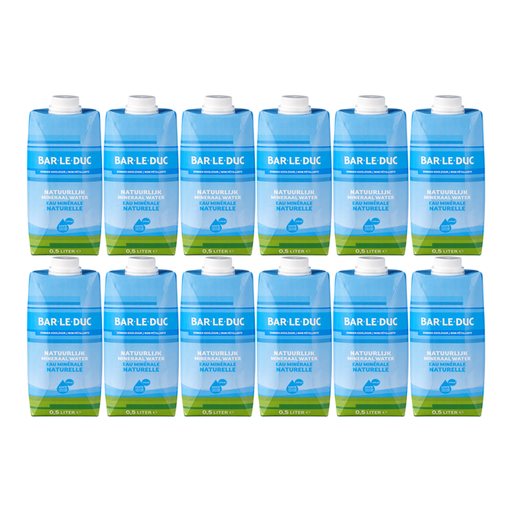
Why it suits this profile: A pack of 12 500 ml bottles is easy to manage when you’re out and about, at the office or in a small household. Compare the price per litre before ordering.
The total volume is clearly stated as 6 litres. This makes it easier to compare the pack with other multipacks.
12 x 500 ml bottles; a convenient size for carrying and sharing.
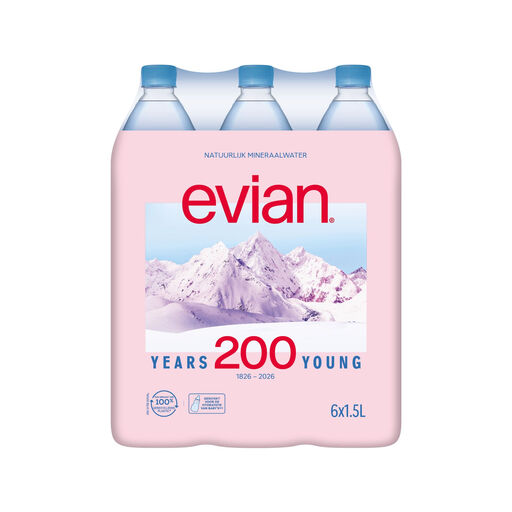
Why it suits this profile: This pack provides 9 litres of natural mineral water in six bottles. The mineral composition is listed in greater detail, which is useful for shoppers who compare labels carefully.
The packaging lists the values per litre, including 6.5 mg of sodium, 80 mg of calcium and 360 mg of bicarbonate. This means you can buy based on the data rather than the brand image alone.
Six 1.5-litre bottles; transparent mineral values per litre.
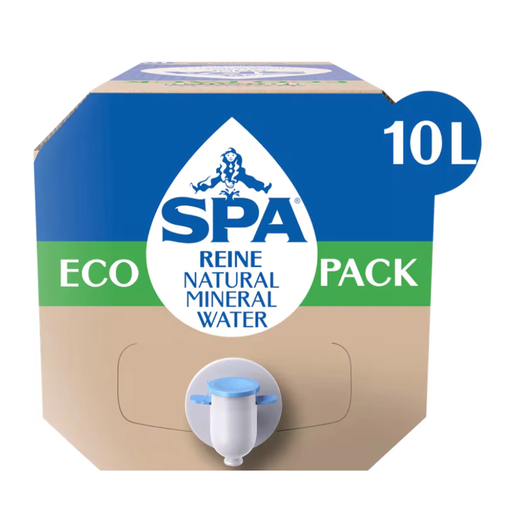
Why it suits this profile: The 10-litre volume is intended for households that regularly use still mineral water. According to the product information, the water contains approximately 3 mg of sodium per litre and is suitable for preparing baby food.
The large pack reduces the number of individual bottles. However, make sure it is stored correctly, the seal is intact and the tap is used hygienically.
10 litres per EcoPack; low stated sodium content of 3 mg/l; non-sparkling.
We’ve put together a complete, up-to-date list of products that fully meet these strict selection criteria and the applicable European safety regulations.
Check the following before completing your order:
For businesses, offices and hospitality venues, ordering a larger number of bottles may be appealing. When comparing options, look not only at the price per item, but also at storage requirements, weight and the serving size you need.
Only choose water where the product information explicitly states this. Spa Reine and Bar-le-Duc state in the supplied information that they are suitable for preparing baby food. Always follow the manufacturer’s preparation instructions, use an intact pack and contact a healthcare professional if you’re unsure.
This varies by pack. The product information generally states that opened water should be stored in the fridge and used within the stated period. Close the bottle or tap securely, and don’t use packaging whose seal was damaged when it arrived.
A low stated sodium content may be relevant for people who monitor their intake, but it doesn’t automatically make a product suitable for every diet. Compare the label and, if you’re following a medically supervised diet, follow the advice of a healthcare professional.
