
Vandaag of morgen in huis

Kwaliteit gegarandeerd

Welkomstaanbiedingen ontgrendelen: GRATIS bezorging | Tot 80% korting | Gratis 30 dagen JoyPlus-proefperiode
Download de app
Buying mineral water online might seem straightforward, but the range varies significantly in source, mineral composition, carbonation, packaging and bottle size. A cheap multipack isn’t always convenient for on the go, while a large Eco Pack can be impractical for a small household.
What’s more, some products are presented as water but actually contain fruit juice, sweeteners or flavourings. These checks will help you avoid a bad purchase and choose more wisely between natural mineral water, still water, sparkling mineral water and flavoured varieties.
A product with “water” in its name isn’t automatically natural mineral water. Flavoured drinks can contain fruit juice, acids, flavourings, sugar or sweeteners. For example, g’woon Apple Peach Flavoured Water contains light carbonation, 2% fruit juice from concentrate, flavourings and sucralose, according to the product information.
That doesn’t necessarily make it a bad choice. It is, however, a different product type from still natural mineral water. So always check the ingredients list and nutritional information.
A mineral water multipack with 24 bottles might look like good value, but pay attention to the total volume and weight too. A pack of 24 x 500 ml contains 12 litres of water. A pack with 6 bottles of 2 litres also contains 12 litres, but is less suitable for taking with you.
So look at the price per litre and consider when you’ll use it:
According to the product description of some brands, their water is suitable for preparing baby food or a low-sodium diet. Treat this as the brand’s product information and always check the label and preparation instructions.
For baby food, it’s not just sodium and fluoride that matter. An intact package, clean materials and correct preparation are also important. Don’t use sparkling mineral water for baby food and follow the instructions from the formula manufacturer. If you have specific dietary requirements, it’s wise to consult a healthcare professional.
The analysis on the label shows sodium, calcium, magnesium, bicarbonates, sulphates and nitrates, usually in milligrams per litre. If you’re watching your sodium intake, you can compare these values directly.
SPA Reine, for example, states approximately 3 mg of sodium per litre. Bar Le Duc lists around 10.6 to 10.7 mg of sodium per litre in various product listings. Beypazari Sade Soda has approximately 138 mg of sodium per litre according to the information provided. These products clearly don’t suit the same preference.
Also pay attention to total mineralisation, often shown as dry residue. A low dry residue means the water contains relatively few minerals. This can affect the taste compared to water with higher mineralisation.
Still water contains no added carbon dioxide. It’s generally versatile for daily drinking, cooking and some applications where you don’t want fizz.
Sparkling mineral water contains carbon dioxide. Check whether it’s lightly sparkling or intensely sparkling. Spa Intense is described in the product information as intensely sparkling natural mineral water with a low mineralisation and sodium content. g’woon Sparkling Mineral Water consists of spring water and carbon dioxide according to the product listing, and is available in 1.5 litre bottles.
With sparkling water, pay attention to the closure and storage. Open a bottle carefully and store an opened bottle chilled according to the instructions on the packaging.
PET bottles are practical for multipacks, while an Eco Pack contains fewer individual bottles but has a dispensing tap. Check beforehand:
With an Eco Pack, don’t touch the tap with your hands or kitchen utensils. Don’t reuse the packaging if the manufacturer advises against it, and consume the water within the stated period after opening.
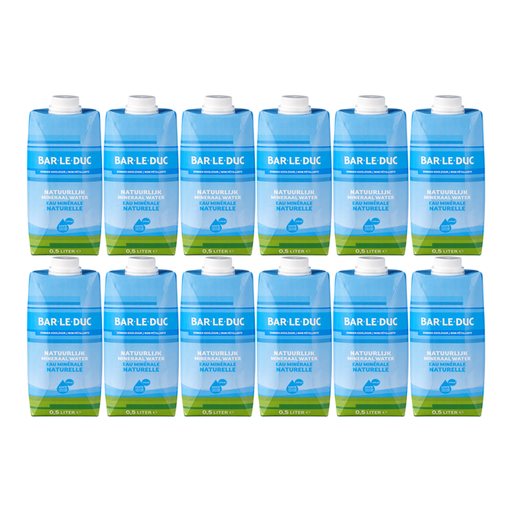
Why this fits the profile: The 12 bottles of 500 ml are easy to use individually, for example on the go, at the office or during a day out.
The number of bottles and the volume per bottle are clearly stated, so you don’t have to rely solely on the multipack label.
12 x 0.5 litres; natural mineral water according to the product description; none of the 14 major EU allergens listed.
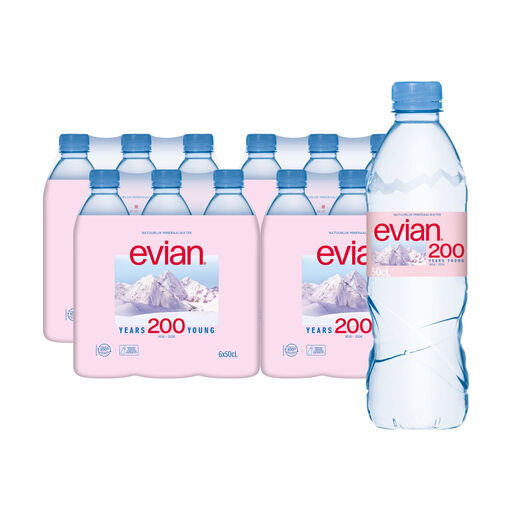
Why this fits the profile: The 24 individual bottles are suitable for a household, meeting room or catering venue where a recognisable portion size is desired.
The mineral analysis is available: including 6.5 mg sodium, 80 mg calcium and 26 mg magnesium per litre.
24 x 500 ml; concrete values for several minerals; natural mineral water according to the product information.
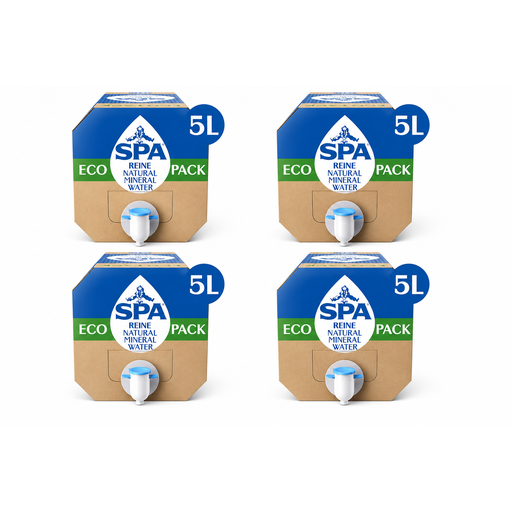
Why this fits the profile: Four packs of 5 litres provide a total of 20 litres for families, offices or locations where water is regularly served.
The packaging states concrete values, including approximately 3 mg sodium and a dry residue of 38 mg per litre. This makes comparison easier.
4 x 5 litres; still water; low stated sodium content; according to the product description, suitable for preparing baby food.
We’ve put together a full, up-to-date list of products that fully meet these strict selection criteria and comply with current European safety regulations.
That depends on the price per litre, the packaging and the delivery costs. A 500 ml bottle of mineral water is practical for individual use, but contains more packaging material per litre. A 1.5 litre bottle is often more sensible for home use. So always compare the total price divided by the number of litres.
Follow the instructions on the packaging. For the products mentioned, it’s generally advised to keep an opened bottle sealed and chilled, and to consume it within the stated period. Don’t use any packaging where the seal was broken upon receipt.
Look for an explicit product statement and check the sodium, fluoride and other values on the label. Some SPA Reine and Bar Le Duc products are described in their product information as suitable for baby food. Only use water with an intact package, follow the instructions from the baby formula manufacturer and don’t use sparkling water.
