
当日/次日达

品质保障

开启新人专享福利: 全场免邮 | 低至 2 折 | 免费试用 30 天 JoyPlus 会员
下载 Joybuy
When buying mineral water, people often look first at the brand, price and packaging. That is understandable, but it is not always enough. A large bottle can be awkward to fit in the fridge, a multipack may work out more expensive per litre than expected, and “water” on the label does not automatically mean natural mineral water.
With this practical checklist, you can compare mineral water based on composition, size, carbonation and intended use. This helps you avoid buying something that does not suit your household, office or dietary preferences.
Not every product with “water” in its name is pure mineral water. A flavoured drink may contain fruit juice, sweeteners or added sugars. For example, g'woon Grape Lemon Flavoured Water contains 1.8% fruit juice from concentrate and, according to the product information, 3.99 grams of added sugars per 100 ml.
If you are looking for sugar-free mineral water, it is therefore worth checking the ingredients list and nutrition table. With pure water, you will generally see no sugar, carbohydrates or calories listed.
A 1.5-litre bottle may seem inexpensive, but a multipack of 6 x 2 litres contains 12 litres in total. Always compare the price per litre. Also consider the difference between:
“Lightly mineralised” and “suitable for a low-salt diet” are no substitute for checking the analysis on the label. Compare the amount of sodium per litre. SPA Reine Still, for example, lists approximately 3 mg of sodium per litre; Bar Le Duc lists approximately 10.6 to 10.7 mg per litre, depending on the packaging.
If you are following a medically supervised diet, it is advisable to follow the product packaging and professional dietary advice. A product description alone is not sufficient for this purpose.
Still mineral water contains no added carbon dioxide and is often suitable with meals, for cooking or for preparing baby food when this is stated on the label. Sparkling mineral water contains carbon dioxide and is particularly popular chilled or as an alternative to soft drinks.
When choosing sparkling water, check whether the product contains only water and carbon dioxide. According to the product information, g'woon Sparkling Mineral Water is made with spring water and carbon dioxide and contains 0 grams of sugar and 0 kcal per 100 ml. This is different from flavoured water containing fruit juice or sweeteners.
The analysis on the label shows how much calcium, magnesium, sodium, sulphate and bicarbonate the water contains. The dry residue indicates the total amount of dissolved minerals. A lower dry residue generally means that the water is lightly mineralised, but this alone does not determine whether it suits your preferences.
SPA Reine EcoPack lists a dry residue of 38 mg/l. Bar Le Duc lists a dry residue of 170 mg/l. According to the product specifications provided, evian Natural Mineral Water contains, among other things, 80 mg of calcium, 26 mg of magnesium and 6.5 mg of sodium per litre. Use these figures to compare flavours and compositions, not as a medical assessment.
A 500 ml bottle is easy to take with you, but it uses more packaging per litre than a 1.5- or 2-litre bottle. A 5- or 10-litre EcoPack can be practical for a family or office, but take the instructions for use seriously:
For mineral water for preparing baby food, always follow the instructions provided by the baby food manufacturer. The product information for some of the waters mentioned here states that they are suitable for this use, but this does not remove the need to follow the required hygiene and preparation instructions.
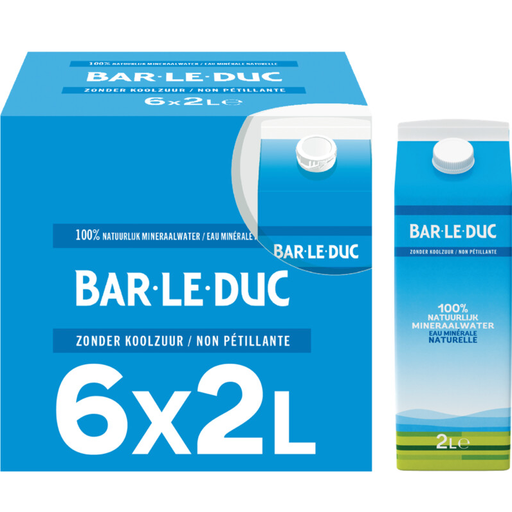
Why it suits this profile: The pack contains 12 litres of still natural mineral water in six 2-litre bottles. This makes it easy to calculate the price per litre and build up a household supply.
The total volume is clearly stated. According to the product information, the water contains 0 kcal and 0 grams of sugar per 100 ml.
6 x 2 litres; sodium content of approximately 10.6 mg/l; suitable for everyday drinking, cooking and making coffee or tea according to the product description.
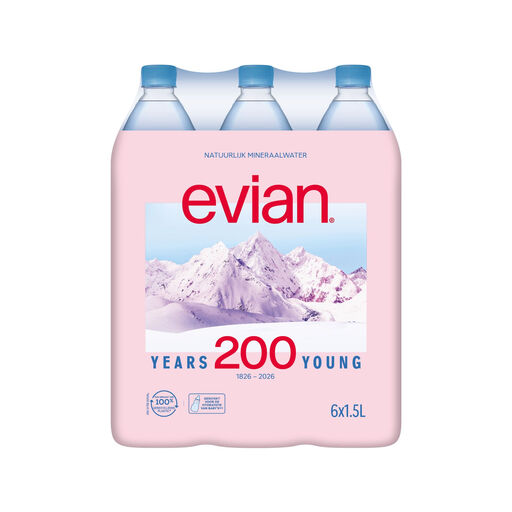
Why it suits this profile: A standard pack of six 1.5-litre bottles is suitable for anyone looking for a familiar size and a mineral analysis that includes calcium and magnesium.
The information lists the minerals per litre, so you do not have to rely solely on the brand name or general marketing language.
6 x 1.5 litres; approximately 80 mg of calcium, 26 mg of magnesium and 6.5 mg of sodium per litre according to the product specifications provided.
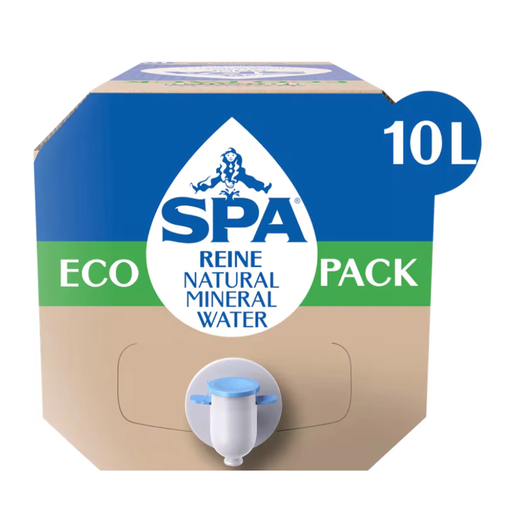
Why it suits this profile: The 10-litre pack is intended for households, workplaces or locations where still water is served regularly and individual bottles are less practical.
The product description specifies an EcoPack, but also states that this packaging must not be refilled or reused. This makes the limitations of use clear.
10 litres of still natural mineral water; approximately 3 mg of sodium and 38 mg of dry residue per litre according to the product specification.
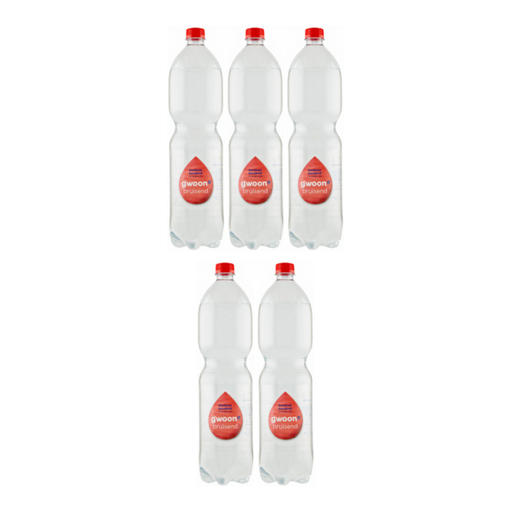
Why it suits this profile: Five 1.5-litre bottles provide sparkling water for meals, guests or the fridge, with no sugar or calories according to the product information.
The ingredients list states spring water and carbon dioxide, with no sugar. Always check the current label when your order arrives.
5 x 1.5 litres; sparkling; 0 grams of sugar and 0 kcal per 100 ml; suitable for serving chilled.
We have put together a complete, up-to-date list of products that fully meet these strict selection criteria and the applicable European safety regulations.
Check three points before completing your purchase:
When your order arrives, check for damaged bottles, leaks or broken seals. Do not use a product with this type of damage.
Compare the stated sodium content per litre. SPA Reine EcoPack lists approximately 3 mg/l and Bar Le Duc approximately 10.6 to 10.7 mg/l. “Low sodium content” should always be assessed using the current label and your own dietary advice.
Some products, including various SPA Reine and Bar Le Duc packs, are described in the product information as suitable for preparing baby food. Always follow the instructions provided by the baby food manufacturer, use only intact packaging and follow good hygiene practices. Sparkling water, such as g'woon Sparkling Mineral Water, is listed in the product information as not suitable for babies.
The shelf life after opening varies by pack. In general, store opened water in the fridge, seal the bottle or packaging properly and follow the time limit stated on the label. With an EcoPack, you should also avoid touching the opening or tap. The stated best-before date and instructions for use on the packaging should always be followed.
