
Vandaag of morgen in huis

Kwaliteit gegarandeerd

Welkomstaanbiedingen ontgrendelen: GRATIS bezorging | Tot 80% korting | Gratis 30 dagen JoyPlus-proefperiode
Download de app
Buying milk powder might seem straightforward, but the options vary considerably. Whether you need nutrition for a baby, a product for a child aged 2 years and over, or a supply for coffee, cooking and baking, factors like age, composition and preparation method matter far more than flashy marketing claims on the packaging.
Below, as a Joybuy Product Recommendation Officer, I have outlined the key points to check. This way, you can avoid buying a large pack that doesn't suit your needs, or mistaking regular milk powder for follow-on formula.
Full cream milk powder, NIDO milk powder and skimmed milk powder are standard dairy products. They are intended for drinks, cooking or baking, and not as food for babies. The available Two Cows and NIDO products state that they are not suitable for children under 2 years old, or for babies as a replacement for breast milk or infant formula.
For baby food from 6 months, you need a product clearly labelled as follow-on formula, such as Nutrilon 2 or Nutrilon DuoBalance 2. Always check the age indication and usage instructions on the packaging.
A 900 g pack might seem better value than a 400 g tin, but that depends on the recommended dosage and how much you use. So compare the price per 100 grams and the amount of prepared milk you get from the powder.
A milk powder value pack is particularly practical if you use the product regularly and can stick to the storage guidelines after opening. For occasional use, a 400 g pack of milk powder can actually help prevent waste.
Terms like "premium", "high-quality" or "supports" say little without context about whether they are right for your situation. Look for verifiable information: ingredients, allergens, age, fat content, mixing ratio and storage advice.
When a brand mentions its own research or development work, you should read that as a statement from the brand. According to Nutricia's own research, certain formulas have been developed based on studies; this is not an independent guarantee that a product is suitable for every child.
First, distinguish between these groups:
A product labelled "toddler milk" or "segment 4" is not the same as regular full cream milk powder. According to the product information, Nutrilon 4 is suitable from 12 months, whereas many standard milk powders are only recommended from 2 years.
For full cream milk powder, the fat content in the available product information is around 26 to 28.2 grams per 100 grams. Skimmed milk powder contains significantly less fat; the Two Cows variety states 0.7 grams of fat per 100 grams and 33 grams of protein per 100 grams.
Also look out for:
The composition of follow-on formula is regulated by law in the European Union. However, brands can differ in ingredients, fibre and fat sources. So compare the label rather than just the front of the pack.
The dosage varies by product. Examples from the product information:
For baby formula, always use the scoop provided and follow the table on the packaging. Prepare a bottle fresh, check the temperature and do not reuse leftovers. For Nutrilon 2, the product information states that prepared feed must be used within one hour.
For regular milk powder, the general rule is: store in a cool, dry place and keep tightly sealed. Some NIDO products recommend refrigeration after opening and use within the stated period. Always check the current packaging, as labels and packaging information can change.
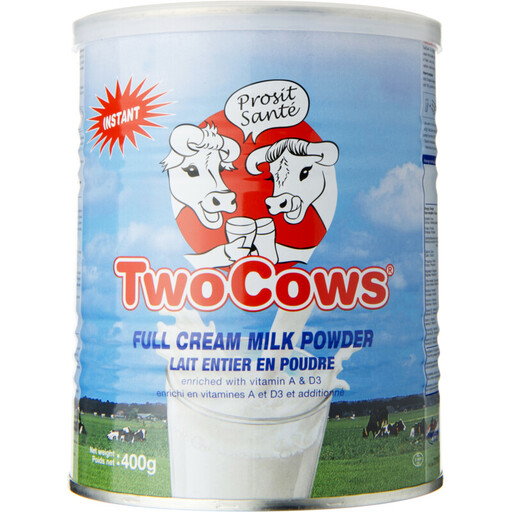
Why this fits the profile: The 400 g pack is a manageable size for families who want to try full cream milk powder for drinks, cooking or baking.
The age limit from 2 years is clearly stated. This makes the distinction from follow-on formula and infant formula immediately obvious.
28% fat, vitamins A and D3 according to the product information, and suitable for hot or cold preparation.
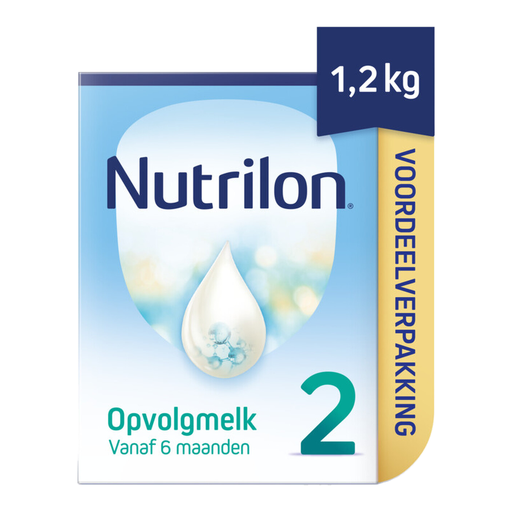
Why this fits the profile: Parents specifically looking for follow-on formula from 6 months get a larger 1.2 kg pack for regular use.
The 6+ months label prevents confusion with regular milk powder. The mixing ratio and safety instructions are included in the product information.
Suitable from 6 months, a 1.2 kg pack and 14.4 g powder per 100 ml water according to the label.
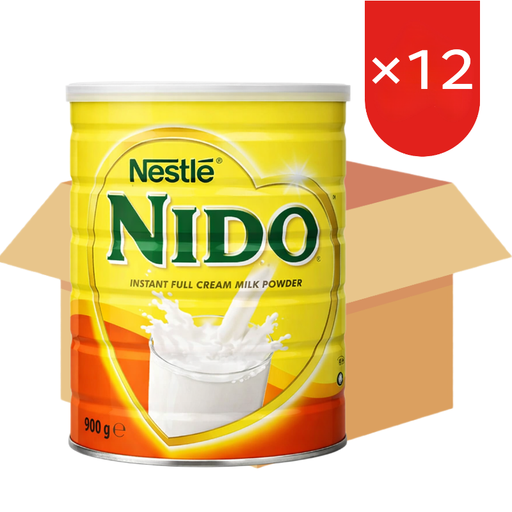
Why this fits the profile: The instant formula is designed for families who regularly use milk powder in drinks, coffee, tea, cooking and baking.
The product information mentions the uses and the warning that it is not suitable for babies under 12 months.
A 900 g pack, full cream milk powder with 26.2 g fat per 100 g and a preparation guide of 32.5 g per 225 ml water.
We have put together a full, up-to-date list of products that fully meet these strict selection criteria and comply with current European safety regulations.
That depends on the price per pack, the dosage and any offers. Compare the price per 100 grams and work out how many litres of milk you can make from it. A large pack is not automatically better value if you don't use the powder in time after opening.
The shelf life varies by brand and product. Follow-on formula often states a usage period of around four weeks after opening. According to the product information, regular NIDO milk powder may need to be stored in the fridge after opening. Always follow the label and store the powder in a dry, sealed container away from direct sunlight.
Look for the explicit age indication. Two Cows full cream milk powder, Two Cows skimmed milk powder and various NIDO products are intended from 2 years according to the available product information. Do not use them for babies and do not compare them directly with Nutrilon follow-on formula or other infant formula.
