
Vandaag of morgen in huis

Kwaliteit gegarandeerd

Welkomstaanbiedingen ontgrendelen: GRATIS bezorging | Tot 80% korting | Gratis 30 dagen JoyPlus-proefperiode
Download de app
Buying milk powder might seem straightforward, but the options vary widely in composition, age recommendations, fat content and packaging. A bag of full-cream milk powder for coffee or baking, for example, is not the same as baby milk powder or follow-on formula. If you only look at the brand, price or a large pack, you could end up choosing a product that doesn't suit your needs.
The main pitfalls to watch out for are:
Full-cream milk powder typically contains more fat than skimmed milk powder, giving it a creamier taste. It can be dissolved in warm or cold water and is handy for milkshakes, sauces, desserts, coffee, tea and baking recipes.
Pay attention to the age recommendation. Products like NIDO and Two Cows in the range are, according to the product information, intended for people aged 2 years and over. They are not baby milk powder and are not a substitute for breast milk or infant formula.
Skimmed milk powder contains significantly less fat than full-cream varieties, according to the stated nutritional values. Two Cows Skimmed Milk Powder 1000 g, for example, lists 0.7 g fat and 33 g protein per 100 g. Blanca Skimmed Milk Powder - 1 kg also states 0.7 g fat per 100 g.
This option suits households that mainly use milk powder for drinks, coffee, tea, cooking or baking, and want to compare fat content consciously. Always check whether the product is suitable for your age group and intended use.
Instant milk powder is designed to dissolve easily in water. This is useful if you regularly make a milk drink or don't want to carry liquid milk when you're on the go. NIDO products in the range are described as instant varieties that can be mixed with warm or cold water.
A quick-dissolving product doesn't automatically prevent lumps. Use the recommended amount of water, add the powder gradually, and seal the pack tightly after each use.
Baby milk powder and follow-on formula are separate categories with age-specific usage instructions. Nutrilon 1 and Bon Bebe Standard 1-2x400g are, according to the product information, intended from birth up to around 6 months. Nutrilon 2 is intended from 6 months. The stated ages should always be checked on the packaging.
For infant formula, preparation and hygiene instructions are not optional. Use clean equipment, follow the exact dosage and do not reuse leftovers. If you are unsure about the type of formula or switching, it is wise to consult your health visitor, midwife, doctor or dietitian.
First, look at what the product is intended for:
Standard milk powder must not be used for children under 2 years if the packaging excludes this. The product page and label are the definitive guides.
Compare the nutritional information table per 100 g. Full-cream milk powder in the products mentioned contains around 26 to 28.2 g fat per 100 g. For skimmed milk powder, according to the stated data, this is around 0.7 g per 100 g.
Also check the ingredients. Many products contain milk; some also list soya, for example as soya lecithin. Baby milk formula may contain milk, fish oil and soya. If you have an allergy or dietary requirement, always read the full label and not just the front of the pack.
A 400 g milk powder pack is handy for trying it out first or for taking with you. A 900 g, 1 kg or multi-pack makes more sense for daily use. Calculate the price per kilo and, where possible, per prepared litre.
Pay attention to storage conditions. Many products need to be kept cool, dry and out of direct sunlight. Once opened, the pack must be sealed tightly; some products state on the label that they must be used within a certain period. Check the seal and best-before date on receipt.
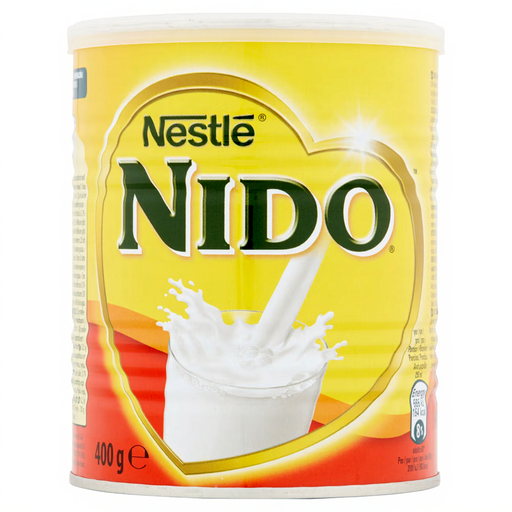
Why this fits the profile: A compact size to try full-cream milk powder first for drinking, cooking or baking. According to the product information, this product is intended from 2 years.
The packaging makes it easier to assess taste, solubility and ease of use first without buying a large multi-pack straight away.
400 g pack; according to the description, suitable for warm and cold water, cooking and baking.
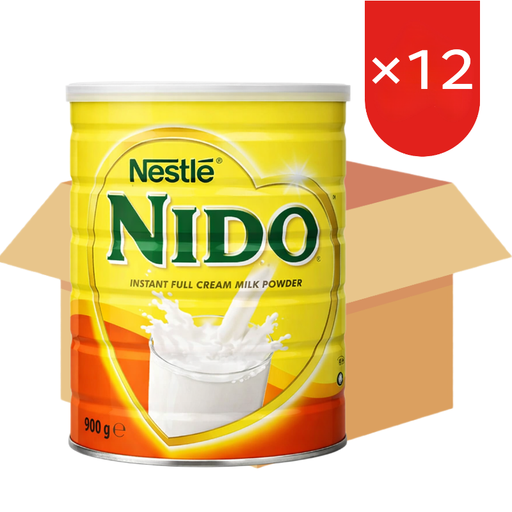
Why this fits the profile: A generous supply for families who regularly use full-cream milk powder in drinks, coffee, desserts, cooking and baking.
The preparation ratio is stated: 32.5 g powder with 225 ml water for 250 ml prepared milk. This helps you estimate the cost per portion more accurately.
900 g format; according to the product information, 26.2 g fat and 25 g protein per 100 g.
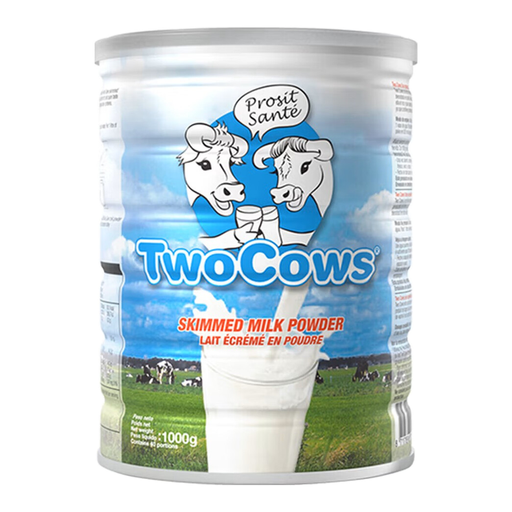
Why this fits the profile: The 1 kg format is practical for frequent use and for those looking for skimmed milk powder for drinks, coffee, cooking and baking.
The low fat content is clearly stated in the nutritional information. This means you don't have to rely on vague terms like "light" or "low-fat".
1 kg pack; according to the product information, 0.7 g fat and 33 g protein per 100 g.
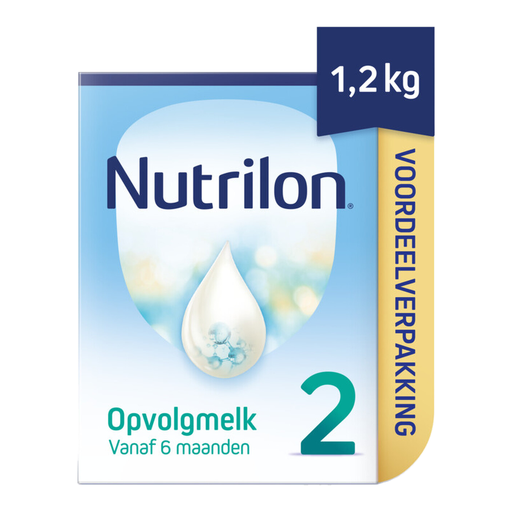
Why this fits the profile: Aimed at parents looking for follow-on formula from 6 months who want to compare multiple packs on content and preparation method.
The age recommendation and preparation ratio are clearly stated. The formula is not intended as a substitute for breastfeeding in the first 6 months.
1.2 kg value pack; according to the product information, suitable from 6 months and to be prepared with 14.4 g powder per 100 ml water.
We've put together a full, up-to-date list of products that fully meet these strict selection criteria and comply with current European safety regulations.
That depends on the price per kilo, the amount of powder needed and the amount of water per litre. So don't just compare the price at the till; also calculate the price per prepared litre. A larger pack can be better value for regular use, but only if you use the product within the stated period.
The unopened shelf life is stated on the packaging. After opening, follow the manufacturer's instructions. Store milk powder in a dry place and keep it tightly sealed; some products need to be refrigerated after opening, while others should be kept at room temperature. Baby milk formula often has a shorter usage period stated after opening.
No. Standard full-cream or skimmed milk powder is not automatically suitable for babies. For infants, only use formula with the correct age recommendation and follow the preparation instructions on the label. If you have questions about baby milk powder or follow-on formula, please contact a healthcare professional.
