
Livraison le jour même et le lendemain

Qualité garantie

Débloquez vos offres de bienvenue: Livraison GRATUITE | Jusqu'à -80 % | 30 jours d'essai gratuits à JoyPlus
Téléchargez l'application
When you buy milk and plant-based milk online, you’ll quickly see lots of different varieties side by side: whole milk, semi-skimmed milk, skimmed milk, lactose-free milk, organic milk and oat milk for coffee. The packaging might promise a creamy taste, firm milk froth or extra nutrients. Yet a striking claim doesn’t always tell you whether a product will suit how you use it.
For a daily breakfast, you have different requirements than you do for cappuccinos, baking or a store cupboard without a fridge. So pay particular attention to the ingredients, the size and the storage instructions.
The terms barista milk, barista oat milk and “suitable for frothing” usually refer to the composition or product positioning. The final result also depends on your coffee machine, temperature, technique and the coffee itself. According to the product description, some varieties are designed to be frothed hot or cold, but this is no guarantee of the same foam structure in every kitchen.
Whole milk generally contains more fat than semi-skimmed or skimmed milk. That can affect mouthfeel and taste, but for milk for cappuccino or milk for latte, the protein content and the ratio of fat to protein also play a role. So a low fat percentage doesn’t automatically mean the milk is less suitable for coffee.
UHT milk and plant-based drinks can often be stored outside the fridge when unopened, but always check the packaging. Once opened, most products need to be kept refrigerated and used within the stated period. A multipack is good value if you use milk regularly, but less practical if a carton stays open for a long time.
The nutrition table makes products comparable. Campina Whole Milk states per 100 ml, for example, 3.6 g fat and 3.7 g protein. Melkan lactose-free semi-skimmed milk states 1.6 g fat and 3.2 g protein per 100 ml. For Alpro Oat Barista, according to the product information, it’s 3 g fat, 0.8 g protein and 3.3 g sugars per 100 ml.
Plant-based drinks can naturally contain less protein than cow’s milk. That doesn’t have to be a problem for your coffee, but it can make a difference when frothing. So don’t just look at the front of the packaging.
Milk products generally contain milk as an allergen. Oat milk may contain gluten from oats, depending on the product and how it’s processed. If you have an allergy or intolerance, always read the current packaging. Lactose-free milk is not the same as dairy-free: Melkan Lactose-Free Half-Skimmed Milk contains milk according to the product information, so it is not a plant-based drink.
Also pay attention to the difference between a 1-litre carton and a box of 6 x 1 litre. A bulk pack makes most sense for households that use milk every day or want to keep several cartons unopened.
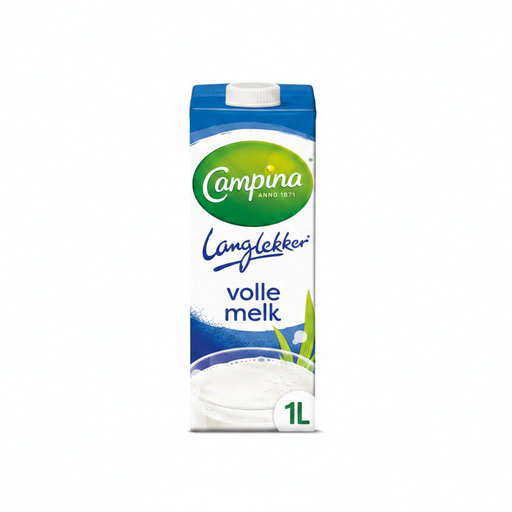
Why this fits the profile: A familiar 1-litre carton for drinking, breakfast, cooking and coffee. According to the product information, the milk is made from Dutch pasture milk and contains 3.6 g fat and 3.7 g protein per 100 ml.
The nutritional values and ingredients are clearly stated, so you don’t have to rely only on general taste claims.
Whole milk with calcium, protein, vitamin B2 and B12; can be stored outside the fridge when unopened according to the product description.
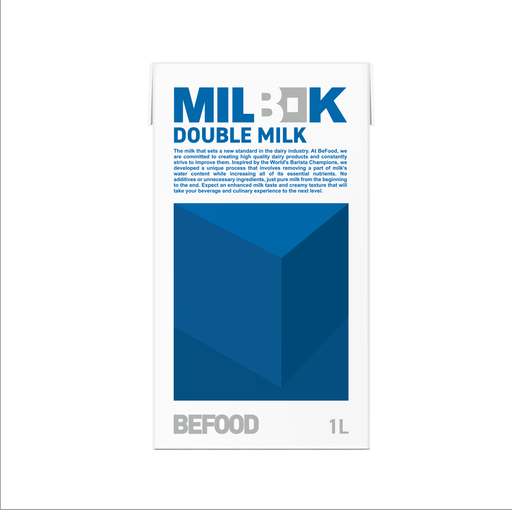
Why this fits the profile: For home baristas who pay attention to the composition of milk for cappuccino, flat white and latte. The product information states 5 g fat and 5.5 g protein per 100 ml.
You can see exactly what nutritional values the milk has, rather than just following a general barista promise.
Made from 100% milk according to the ingredients list; suitable for steaming and frothing; keep refrigerated after opening and use within 3 days.
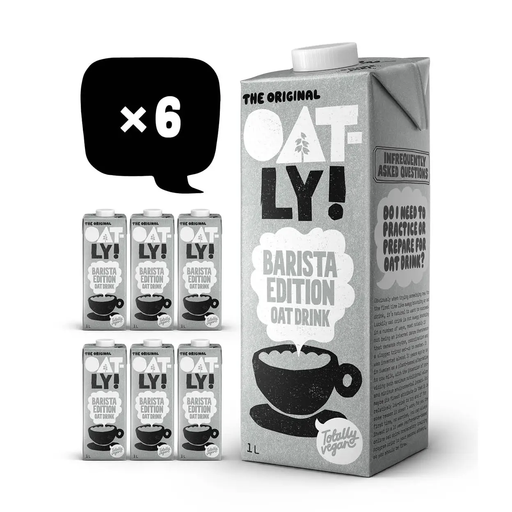
Why this fits the profile: A multipack for households and coffee lovers who use plant-based milk often. According to the product description, the drink contains 10% oats and is designed for frothing barista-style coffee.
The size matches heavy use, so you won’t need to order individual cartons as often. Do check your consumption and the best-before date.
6 x 1 litre; plant-based; contains added vitamins and minerals according to the product information; can be stored outside the fridge when unopened.
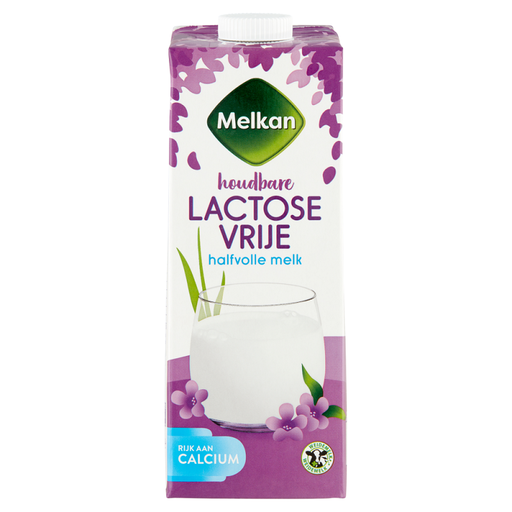
Why this fits the profile: A dairy option for anyone who wants to avoid lactose but still uses milk for drinking, coffee, cooking and baking.
The product name and nutritional information make it clear that this is lactose-free semi-skimmed milk, not a plant-based drink.
1 litre; 1.6 g fat and 3.2 g protein per 100 ml; contains 120 mg calcium per 100 ml according to the product information.
We’ve put together a full, up-to-date list of products that fully meet these strict selection criteria and comply with current European safety regulations.
Cold milk with a suitable fat-to-protein ratio can be suitable for frothing. Barista milk and oat milk for coffee are specifically designed for this according to their product descriptions. The result also depends on the steam wand, temperature and technique. Ideally, heat milk gradually and avoid overheating it.
Lactose-free milk remains a dairy product and contains milk. Oat milk is plant-based and made from oats. Always check the allergen information on oat milk, because oats can contain gluten. Choose based on your diet, taste preference and how you’ll use it in coffee or recipes.
A multipack can lower the price per litre and is convenient for daily use. Don’t just compare the total price, but also the volume, shelf life and storage space. Don’t buy a bulk pack if you won’t use an opened carton within the stated period.
