
Vandaag of morgen in huis

Kwaliteit gegarandeerd

Welkomstaanbiedingen ontgrendelen: GRATIS bezorging | Tot 80% korting | Gratis 30 dagen JoyPlus-proefperiode
Download de app
Buying milk may seem simple, but products vary considerably in fat content, packaging, shelf life and how you plan to use them. If you look only at the price per carton, you could end up with milk you need to use up too quickly, that isn’t suitable for coffee or that doesn’t fit a lactose-free diet.
When comparing products, look out for these three common pitfalls:
Choosing between whole milk, semi-skimmed milk and skimmed milk mainly affects the taste, mouthfeel and nutritional values.
A Nutri-Score can help you compare similar products, but it won’t automatically tell you which milk suits your taste or needs. Always consider the score alongside the ingredients list and nutritional table.
If you want to avoid lactose, don’t rely on terms such as “easy to digest” or “mild”. Look for the specific lactose-free label and check the allergen information.
Melkan Lactose-Free Whole Milk is a 1-litre lactose-free whole milk option. According to the product information, Melkan Lactose-Free Half-Skimmed Milk contains 1.6 grams of fat, 3.2 grams of protein and 120 mg of calcium per 100 ml. It’s also available in a pack of 6 x 1 litre, which may be handy for households that use this type regularly.
Be aware of the difference between lactose intolerance and a milk allergy. Lactose-free milk is not the same as milk without milk proteins. If you have an allergy, always check the current packaging and allergen information.
Long-life milk, also known as UHT milk, is treated so that unopened cartons can be stored outside the fridge. This applies, for example, to Campina Langlekker Milk Full and various Campina UHT options.
Before you buy, check:
Several products in this range state that milk should be kept chilled after opening and used within the period shown on the packaging. Jersey Creamy Milk, for example, states that it should be kept in the fridge at a maximum of 7 °C and used within three days of opening.
Organic milk may appeal if the product’s origin and organic certification matter to you. B+ Organic Long-Life Semi-Skimmed Milk is an organic semi-skimmed UHT milk. The product information lists 1.5 grams of fat and 3.5 grams of protein per 100 ml. Check the organic certification and current packaging when you buy.
Jersey milk comes from Jersey cows. According to Holland Jersey’s product information, Jersey Creamy Milk contains 6 grams of fat, 4.2 grams of protein and 140 mg of calcium per 100 ml. The manufacturer also says that this milk is suitable for cappuccino. This is a product specification and suggested use, not a guarantee that every coffee drinker will get the same results.
Barista milk can be a specific choice for speciality coffees. MILBOK Double Milk Premium Barista Milk lists 5.5 grams of protein and 5.0 grams of fat per 100 ml, and recommends heating it to around 55–60 °C for frothing. According to the product description, it contains only milk, but it does contain lactose. This option isn’t suitable if you want to avoid lactose.
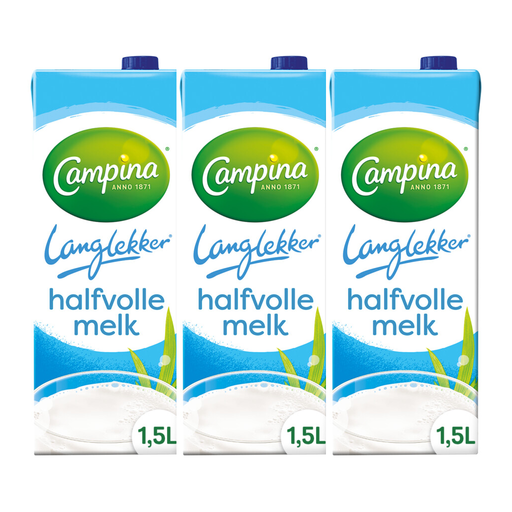
Why it suits this profile: The pack contains three 1.5-litre cartons and is suitable for everyday use at breakfast, in coffee and for cooking.
The pack size and nutritional values are clearly stated, making it easy to compare the price per litre.
1.5 grams of fat and 3.7 grams of protein per 100 ml; 4.5-litre pack.
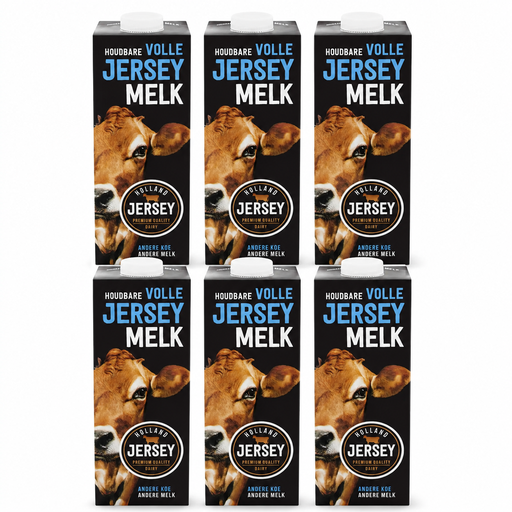
Why it suits this profile: This whole Jersey milk is aimed at shoppers looking for a creamier mouthfeel and a different nutritional profile.
The product page lists specific values, including 6 grams of fat and 4.2 grams of protein per 100 ml.
Six 1-litre cartons; according to the product information, it’s suitable for frothing for cappuccino.
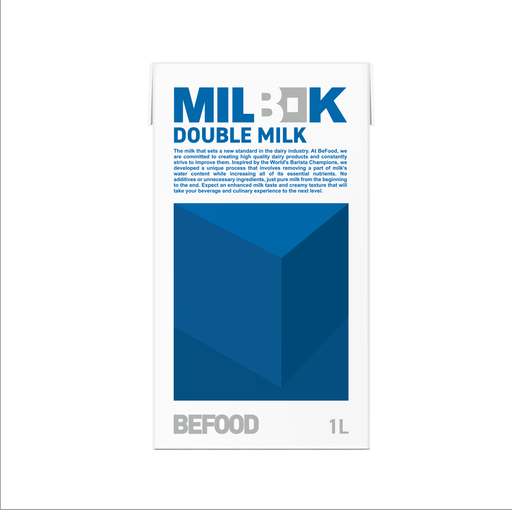
Why it suits this profile: Designed for coffee lovers who use milk in cappuccinos, flat whites, matcha or other hot drinks.
The product description lists the ingredients, nutritional values and recommended temperature for frothing.
5.5 grams of protein and 5.0 grams of fat per 100 ml; keep chilled after opening and use within three days.
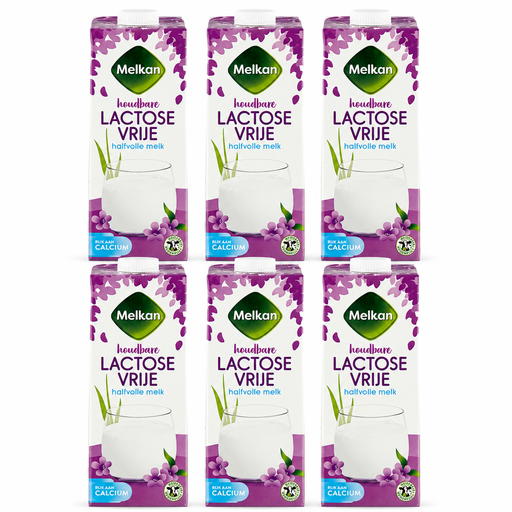
Why it suits this profile: A six-litre supply for everyday drinking, cooking and baking if you’re looking for lactose-free milk.
The packaging and product name make it clear at a glance that this is the lactose-free option and show the pack size.
1.6 grams of fat, 3.2 grams of protein and 120 mg of calcium per 100 ml; UHT-treated according to the product information.
We’ve put together a complete, up-to-date list of products that meet these strict selection criteria and the applicable European safety regulations.
It depends on how much you use and how much storage space you have. A 1-litre carton is practical if you want to try different types. A multipack of milk, such as 3 x 1.5 litres or 6 x 1 litre, is better suited to a household that uses milk every day. Always compare the price per litre, not just the price per pack.
Unopened long-life or UHT milk can be stored outside the fridge, following the instructions on the packaging. Fresh milk generally needs to be kept chilled. Once opened, both types should be refrigerated and used within the stated period.
Jersey milk and barista milk are often chosen for their composition. According to its product description, Jersey Creamy Milk is suitable for cappuccino. MILBOK Double Milk lists a higher protein and fat content, as well as frothing instructions. The result also depends on your coffee machine, technique and temperature.
