
Vandaag of morgen in huis

Kwaliteit gegarandeerd

Welkomstaanbiedingen ontgrendelen: GRATIS bezorging | Tot 80% korting | Gratis 30 dagen JoyPlus-proefperiode
Download de app
Buying men's shoes might seem straightforward, until you have to choose between men's trainers, men's sports shoes, walking boots or a pair for everyday wear. An attractive photo doesn't tell you much about fit, grip or materials. When shopping online especially, wrong expectations can lead to a bad purchase.
So pay attention to the intended use, check the sizing and compare technical specifications. That way, you'll find comfortable men's shoes that suit your routine, from the daily commute to a walk in the woods.
A casual trainer isn't automatically suitable as a running shoe. Men's sports shoes for training often have different features from men's running shoes or men's trail running shoes. A flat rubber sole might feel fine in the city, but could offer less grip on muddy paths.
Practical rule: choose the activity first, then the model. For everyday use, flexibility and wearing comfort are key. For running, cushioning, weight and fit matter more. For trail running or walking, grip, stability and protection are more relevant.
Water-repellent material can hold off light rain temporarily, but that doesn't mean a shoe is fully waterproof for long periods. So check whether the product description mentions a membrane or a specific waterproof construction.
The Nike Manoa, for example, is described as having a water-repellent construction. The Salomon XA Pro 3D v9 GTX, according to its product specification, features a GORE-TEX membrane. These are different product features; base your choice on the construction described, not just the marketing photo.
A size 44 can feel different from one model to another due to the last, toe room and width. So look at the stated fit, foot length and any information about a normal, narrow or wide fit. Also be careful with thick socks: walking boots and men's trail running shoes may need extra room.
The sole largely determines where you can wear the shoe.
A men's basketball shoe has different requirements from a street model. For basketball, stability, a firm hold and grip on the court are important. For lacrosse, the playing surface is equally decisive.
Leather, synthetic material, mesh and textile each have a different usage profile.
Bear in mind that ventilation and water resistance sometimes work against each other. A very open mesh upper lets air through well, but usually doesn't keep rain out as effectively.
A soft insole can feel comfortable for everyday walking, but doesn't replace a good fit. Look at:
Information about cushioning comes from the product description. According to a brand's own research, a manufacturer may attach additional performance claims to it; don't automatically take such claims as a guarantee of your personal experience.
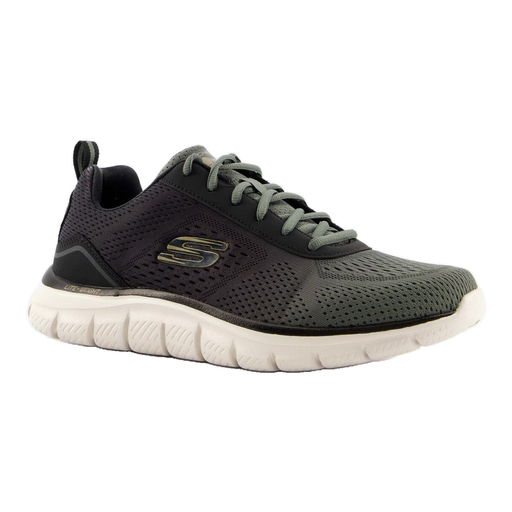
Why this fits the profile: A low-profile model for everyday use, light sports activities and casual outfits. The stated normal fit and lace-up closure make precise adjustment easy.
The product information mentions mesh inserts, a sturdy sole and a fixed insole with Memory Foam. This allows you to compare purposefully rather than choosing based on looks alone.
Textile with mesh inserts, rubber sole, heel loop and normal fit according to the product description.
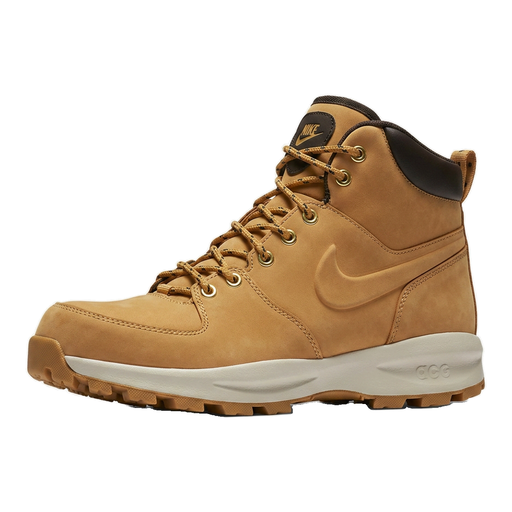
Why this fits the profile: A high-top model for winter days, walks and everyday use when ankle coverage and a robust look are desired.
The specifications mention nubuck leather, a rubber outsole and a water-repellent construction. Do check the care instructions and don't expect full waterproofing unless that claim is made.
Nubuck leather upper, high shaft, rubber sole and padded polyurethane foam insole according to the product information.
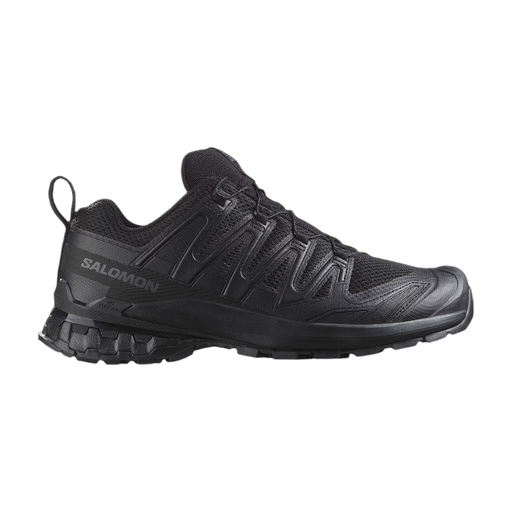
Why this fits the profile: Designed for trail running, walking and changing conditions. The combination of membrane, treaded sole and Quicklace system suits more intensive outdoor use.
The product description mentions GORE-TEX, a 3D Advanced Chassis and Contagrip rubber. This makes water protection, support and grip more concrete than with a general lifestyle trainer.
GORE-TEX membrane, Quicklace closure, reinforced heel and toe and Contagrip outsole according to the product specification.
We've put together a full, up-to-date list of products that fully meet these strict selection criteria and comply with current European safety regulations.
For everyday use, men's trainers or casual men's shoes with a normal fit, rubber sole and good ventilation are often practical. Choose a lace-up model if you want to adjust the fit precisely. A slip-on model can be more convenient when you need to put them on and take them off quickly.
The lifespan depends on walking distance, surface, body weight, material and care. Check the sole for worn tread and look out for permanent deformation of the heel or insole. Let shoes air out after use and follow the washing and drying instructions. Leather and nubuck generally shouldn't go in the washing machine; textile models sometimes have different guidelines.
Don't just look at the price, but at the combination of material, sole, closure, fit and intended use. For everyday wear, a simple trainer design may be enough. For running, walking or trail running, you may pay for specific features such as extra tread, a membrane or a construction for stability. Compare those features before you make a purchase.
