
Vandaag of morgen in huis

Kwaliteit gegarandeerd

Welkomstaanbiedingen ontgrendelen: GRATIS bezorging | Tot 80% korting | Gratis 30 dagen JoyPlus-proefperiode
Download de app
Buying mayonnaise online seems straightforward, until you have to choose between standard mayonnaise, chip shop sauce, Japanese mayonnaise, truffle mayonnaise and spicy varieties. A large bottle isn't automatically better value if you don't like the taste or you use the sauce too slowly. Terms like "creamy", "pure" and "authentic" only mean something when you check the ingredients, volume and intended use.
Mayonnaise typically contains a relatively high amount of oil. Chip shop sauce often contains more water and starch, giving it a lighter consistency. This means chip shop sauce isn't a suitable direct substitute in every dish. For chips, the choice may come down to taste and desired creaminess; for a dressing or sandwich, a classic mayonnaise often behaves differently.
So pay attention to the oil percentage and nutritional values per 100 ml or 100 grams. For example, the range includes g'woon half-fat chip shop sauce with 13% rapeseed oil, while traditional mayonnaises like Oliehoorn Mayonnaise (80%) and Zaanse mayonaise contain around 78 to 80% oil.
A 500 ml bottle of mayonnaise or 750 ml can be handy for a large household, but a smaller bottle of 160 to 250 ml is better when you want to try a flavour first. Also check the best-before and storage instructions on the packaging. Once opened, mayonnaise should generally be kept cool and well sealed, according to the product information.
A squeezy mayonnaise bottle helps you dispense it in controlled amounts and reduces mess. This is practical for chips, burgers and rolls. Just make sure the nozzle stays clean and always follow the instructions on the label.
"Japanese mayonnaise", "with real truffle" or "extra creamy" doesn't automatically tell you whether the sauce suits your dish. Look at verifiable details:
According to the product information, Jean Bâton Black Truffle Mayonnaise contains 1.5% truffle, for example. That's a concrete ingredient percentage; the intensity of flavour remains a matter of personal taste.
Oil largely determines the thickness and mouthfeel. Zaanse mayonaise contains 78% rapeseed oil and 6% free-range egg yolk, according to the product specification. Remia Mayonnaise states 68% rapeseed oil and 5% free-range egg yolk. These figures give a useful indication of the difference between fuller and lighter varieties.
With Japanese mayonnaise, the emphasis is often on egg yolk and a pronounced sour, savoury flavour. The Kewpie mayonnaise variants in the range use egg yolk, vinegar and mustard, among other ingredients. The 355 ml pack states 15% egg yolk and 71% rapeseed oil. If you have allergies, always check the current packaging, as ingredients or allergen information may change.
For an Asian meal, mayonnaise for sushi with wasabi, sriracha or kimchi may be more logical than a neutral sauce. Saitaku Wasabi Mayonnaise states 2% wasabi powder, but also contains mustard and sulphites. Go-Tan Sriracha Mayo contains 20% sriracha sauce according to the product information, and lists egg and mustard as allergens.
Oh Na Mi Kimchi Mayo combines mayonnaise with kimchi ingredients such as cabbage, radish, garlic, ginger and gochugaru. According to the label, this variant contains egg, fish and soya. So don't just look at the name – read the full allergen declaration.
Vegan mayonnaise contains no egg and must be labelled as vegan. Vegetarian doesn't automatically mean vegan: a vegetarian mayonnaise can still contain egg. Calvé Yofresh, for example, states 15% yoghurt and free-range eggs, and is described as suitable for vegetarians.
If you're mainly looking for a lighter sauce, consider chip shop sauce or yogonaise. That doesn't imply any health benefit; it's about ingredients, flavour and use. Compare the nutritional values per 100 ml and check the sugar, salt and fat content if that matters for your purchase.
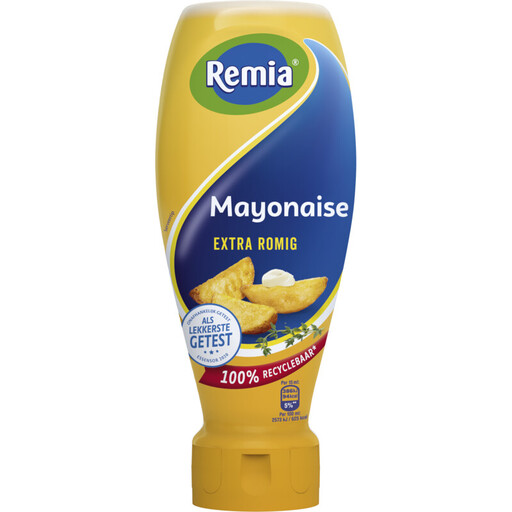
Why this fits the profile: A familiar size for everyday use with chips, snacks, rolls and potatoes.
The 500 ml volume stops you from having to buy a large size straight away. The product specification states 68% rapeseed oil, 5% free-range egg yolk and a squeezy bottle.
500 ml volume; squeezy bottle; gluten-free according to the product description.
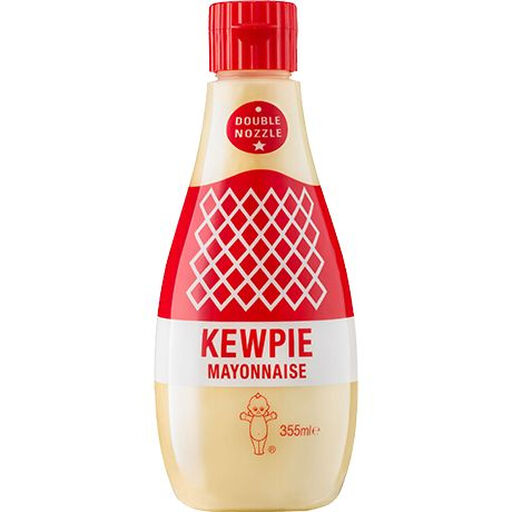
Why this fits the profile: For anyone looking for a distinctive Japanese flavour for sushi, poke bowls, sandwiches and dips.
The smaller bottle makes it easier to try a more intense umami flavour first without committing to a large bulk size.
355 ml volume; 15% egg yolk and 71% rapeseed oil according to the product specification; handy squeezy bottle.
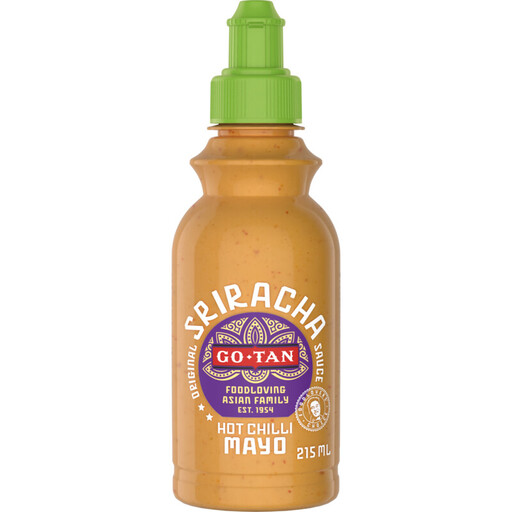
Why this fits the profile: For anyone who wants one sauce to use on burgers, chips, poke bowls, snacks and as a dip with extra kick.
The product information states 20% sriracha sauce. This lets you see which flavouring provides the heat, rather than just relying on the name.
215 ml size; suitable as a dip, dressing and topping; contains 45% rapeseed oil according to the product specification.
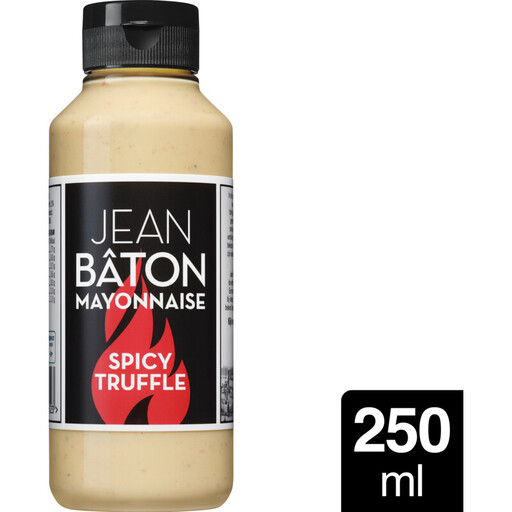
Why this fits the profile: A compact sauce for burgers, chips, meat, fish or a sandwich with a clear truffle and chilli accent.
The ingredients list states 1.5% truffle and 1% chilli pepper. This makes the composition verifiable before you order.
250 ml volume; real truffle according to the ingredients list; spicy variant with 73.3% rapeseed oil.
We've put together a full, up-to-date list of products that fully meet these strict selection criteria and comply with current European safety regulations.
This varies by product. Store the bottle according to the label, usually chilled and well sealed. Don't use any product where the packaging is damaged, and check the best-before information on the bottle.
No. Japanese mayonnaise often uses more egg yolk and typically has a pronounced sour and savoury flavour. Kewpie mayonnaise is therefore suitable for sushi, salads and Asian snacks, but can taste stronger than a traditional Dutch mayonnaise.
Mayonnaise usually contains more oil and is thicker and richer. Chip shop sauce often contains more water and starch, giving it a lighter consistency. Always compare the ingredients and nutritional values per 100 ml before making your choice.
