
Vandaag of morgen in huis

Kwaliteit gegarandeerd

Welkomstaanbiedingen ontgrendelen: GRATIS bezorging | Tot 80% korting | Gratis 30 dagen JoyPlus-proefperiode
Download de app
Buying matcha products seems straightforward, until you come across mostly attractive packaging, vague flavour descriptions and exaggerated claims online. A bright green colour does not automatically mean that a product contains a high proportion of matcha. Japanese snacks can also vary considerably in texture, storage requirements and allergens.
As a Joybuy Product Recommendation Officer, I filter product information based on practical considerations: what does it contain, how much do you get, how should it be stored and does it suit the way you intend to use it? This helps you avoid paying for a trend when what you really want is soft mochi, a crunchy snack or a green tea skincare product.
A product described as “matcha flavour” or “matcha latte” does not necessarily consist mainly of matcha powder. For example, the filling in Mochi Creamy Matcha Latte consists of milk ingredients and vegetable oil. The product contains 0.6% matcha powder and 0.7% green tea powder, alongside natural matcha flavouring.
That does not necessarily make it unsuitable, but it does make it different from a product with a pronounced, savoury or slightly bitter tea flavour. So check the ingredients list and the stated quantity of matcha.
Japanese snacks ordered online are often delivered frozen or come with specific storage instructions. Daifuku, for example, must be kept frozen, refrigerated after defrosting and must not be refrozen. A snack bought as a gift to keep in stock may therefore be less convenient than a product with a longer shelf life.
Also pay attention to the quantity: 60 grams, 120 grams and 97 grams are not comparable amounts. Look at the price per 100 grams, rather than just the price per pack.
When choosing matcha face masks and green tea skincare, you should distinguish cosmetic product claims from verifiable product information. According to a brand’s own research, green tea may have a soothing or hydrating effect, but such claims are not a guarantee for every skin type.
Check the ingredients, instructions for use, shelf life and any warnings. Ideally, test a new product on a small area of skin first and follow the instructions on the packaging.
If you want a distinct matcha flavour, look for matcha powder or matcha extract in the ingredients list. In sweet products, matcha is often combined with sugar, milk, soya, palm oil or flavourings. This creates a softer dessert profile, with less emphasis on the tea.
For a first introduction, creamy matcha snacks such as mochi are suitable if you are looking for a soft, sweet texture. If you prefer something crunchy, consider biscuits or freeze-dried matcha ice cream.
In the European Union, the main allergens must be clearly indicated. In Mochi Creamy Matcha Latte, milk and soya are listed as allergens. Oreo Ice Cream Matcha Flavour Sandwich Cookies contain, among other ingredients, wheat, soya and milk.
According to the product information, KHY Soy Cream Daifuku Matcha is listed as free from the 14 main EU allergens, but always check the current packaging. Product information can change, and cross-contamination must be taken seriously if you have an allergy.
Pay attention to these differences:
The format is important when it comes to matcha ice cream. KOKORO Freeze Dried Matcha Ice Cream is not traditional scoopable ice cream, but a 25-gram freeze-dried snack that can be eaten without refrigeration. The ingredients list includes milk, among other ingredients, and may indicate traces of other allergens due to shared production facilities.
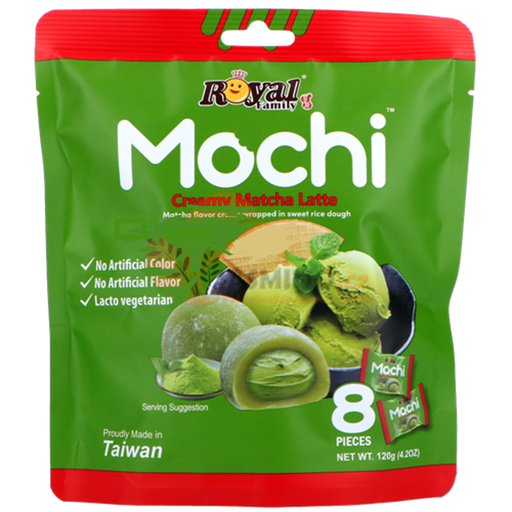
Why it suits this profile: The 120-gram pack is a suitable way to try matcha mochi for the first time. The creamy, milky filling makes the flavour more approachable than a strongly bitter tea variety.
The matcha content is stated: 0.6% matcha powder and 0.7% green tea powder. This helps you set more realistic expectations about the flavour.
120-gram pack; soft mochi texture; clear indication of milk and soya allergens.
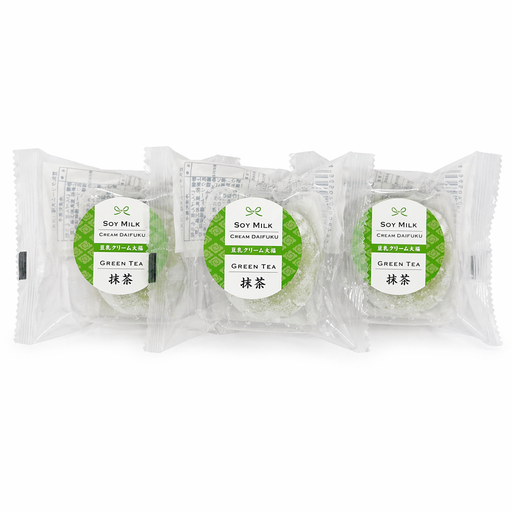
Why it suits this profile: These Japanese matcha treats combine a soft rice cake with a creamy soya filling and come in a pack of three. They are ideal for dessert or as part of a small gift hamper.
The product information clearly states that it must remain frozen and must not be refrozen after defrosting.
Origin: Japan; 3 x 60 grams; ready to eat straight after defrosting; nutritional values stated per 100 grams.
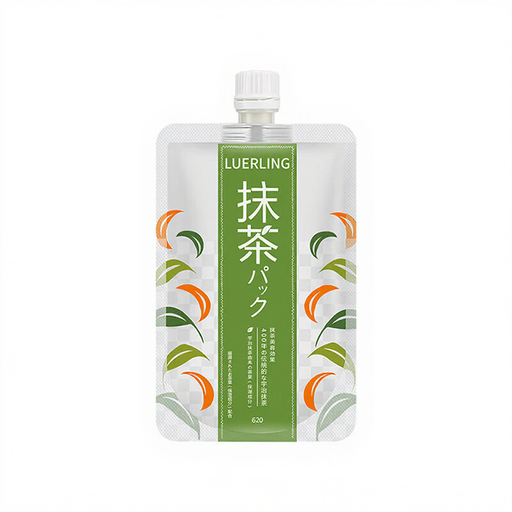
Why it suits this profile: This cream-type matcha face mask is designed for a regular skincare routine. The instructions specify a leave-on time of 15 to 20 minutes and use once or twice a week.
The application, formula and ingredients are stated. The product description does not make a medical or guaranteed skincare claim.
Cream formula; matcha extract listed; rinse-off; suitable for a weekly skincare routine.
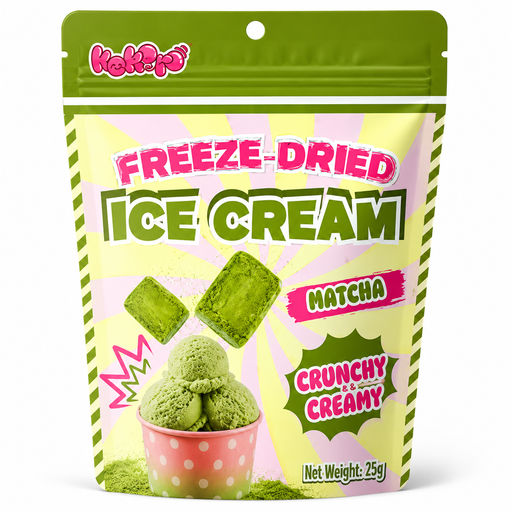
Why it suits this profile: The small pack is convenient for a Japanese snack selection, gift hamper or tasting session. The texture is crunchy rather than soft or creamy.
The product information states the 25-gram quantity, storage without refrigeration and presence of milk. This tells you exactly what you are buying.
Freeze-dried; ready to eat; no fridge required; matcha powder listed in the ingredients.
We have put together a complete, up-to-date list of products that fully meet these strict selection criteria and the applicable European safety regulations.
Use this quick guide:
Check the ingredients list, quantity, allergens, origin, shelf life and storage method. For chilled or frozen products, the delivery method is also important. Read the packaging when your order arrives, as the information on the label takes precedence.
No. The flavour depends on the amount of matcha, the flavourings used and the combination of sugar, milk or chocolate. Mochi with a creamy filling generally tastes milder than a product in which matcha makes up a larger proportion. Check the ingredients and product description before ordering.
This varies by product. Keep daifuku frozen until use and follow the recommended refrigerated storage period after defrosting. Store shelf-stable mochi and biscuits in a cool, dry place. Seal freeze-dried matcha ice cream carefully after opening so that it absorbs moisture less quickly.
