
Livraison le jour même et le lendemain

Qualité garantie

Débloquez vos offres de bienvenue: Livraison GRATUITE | Jusqu'à -80 % | 30 jours d'essai gratuits à JoyPlus
Téléchargez l'application
As a Joybuy Product Recommendation Officer, I've seen a growing number of people in the Netherlands discover the versatility of Asian ingredients. Lotus seeds are a prime example, appearing in everything from traditional soups and desserts to modern snacks. But with this rising popularity comes confusion. Not every product labelled "lotus seed" is the same, and making the wrong choice can lead to a disappointing culinary experience or unexpectedly time-consuming kitchen prep.
Before you buy lotus seeds, it's helpful to know a few common pitfalls that can cost you time and money.
To navigate these pitfalls, it's useful to pay attention to a few key specifications. This will help you choose a product that truly fits what you intend to make.
The state in which you buy the lotus seeds determines the preparation time and the type of dish they are suited for.
For mixed products, the ingredients list is your most important tool. According to EU regulations, ingredients must be listed in descending order by weight. If sugar is at the top and lotus seeds are at the bottom, you know the product is primarily sweet with just a hint of lotus seed.
Look specifically for the Quantitative Ingredient Declaration (QUID). This is the statement of the percentage of a specific ingredient, for example, "Lotus Seed (2%)". This gives you an objective measure of how much you're actually getting and helps you compare products fairly.
To help you make your choice, we've highlighted a few products that suit different needs and preferences.
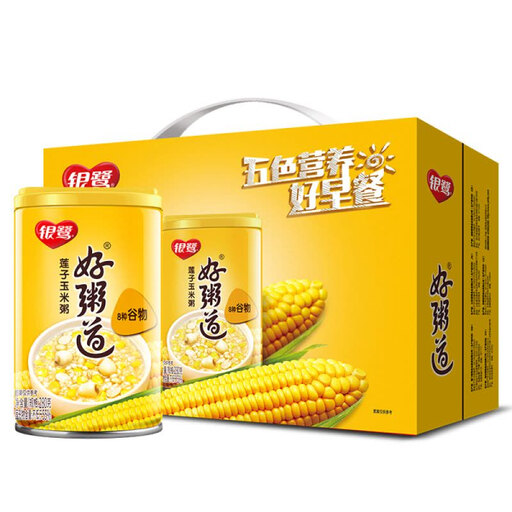
Why This Fits Their Persona: Perfect for those who want a quick, nutritious, and warm breakfast or a filling snack with zero preparation. It can be eaten directly from the can, either hot or cold.
This product completely bypasses the "hidden prep" pitfall. It's a ready-to-eat meal, so there's no need for soaking or cooking.
Convenience: Instantly edible. Balanced Meal: Contains a mix of grains like corn, oats, and glutinous rice alongside the lotus seeds.
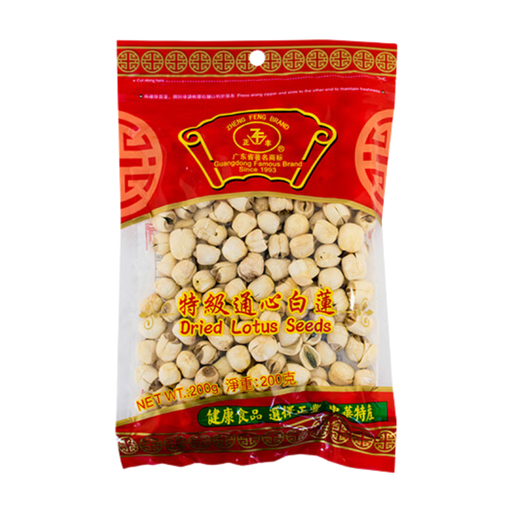
Why This Fits Their Persona: Ideal for those who love to cook from scratch and want to experience the authentic texture and flavour of lotus seeds in their own soups, congee, or desserts.
This product is 100% lotus seeds, so you avoid the "percentage game." The germ has already been removed, which prevents a bitter taste and saves preparation time.
Purity: Contains only lotus seeds. Versatility: Suitable for a wide range of homemade dishes, from sweet to savoury.
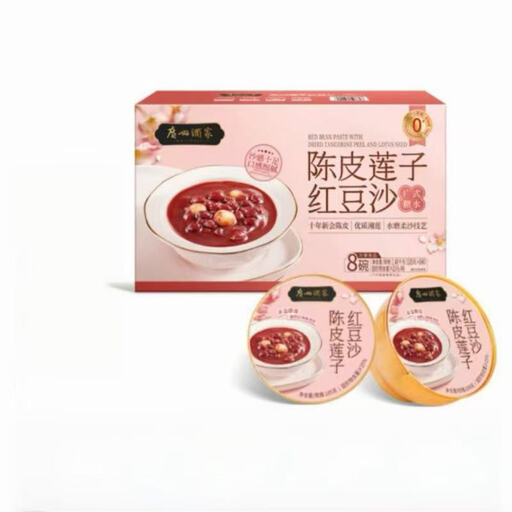
Why This Fits Their Persona: For the adventurous eater who wants to try an authentic Cantonese dessert soup without spending hours in the kitchen. The combination of red beans, lotus seeds, and dried tangerine peel offers a unique flavour experience.
This product is transparent about its contents with a clear ingredients list and percentages (≥12% red bean, ≥2% lotus seed). It's ready-to-eat, so there's no unexpected preparation.
Authentic Flavour: Made in collaboration with Guangzhou Restaurant, a renowned culinary brand. Convenience: Packaged in individual portions, ready to be heated.
We've curated a complete, up-to-date list of products that meet these selection criteria and comply with current regulations.
Yes, for most dishes, it is advisable to soak dried lotus seeds. Soak them for at least 2-3 hours in warm water, or overnight in cold water. This softens them and significantly reduces the cooking time. They will cook more evenly and achieve a pleasant, soft texture.
White lotus seeds are shelled; the brown skin has been removed. They are generally softer and cook faster. Brown lotus seeds still have their skin, which means they require longer soaking and cooking times. Most lotus seeds sold in the Netherlands for culinary use are the white, shelled variety.
Dried lotus seeds, once opened, are best stored in an airtight container in a cool, dry, and dark place. This way, they will stay good for months. An opened can of ready-to-eat porridge or soup should be refrigerated and typically consumed within 24 hours. Always consult the storage advice on the specific product packaging.
