
Vandaag of morgen in huis

Kwaliteit gegarandeerd

Welkomstaanbiedingen ontgrendelen: GRATIS bezorging | Tot 80% korting | Gratis 30 dagen JoyPlus-proefperiode
Download de app
The liqueur aisle, both online and in-store, can be overwhelming. From creamy egg liqueurs to tropical cocktail mixes and Asian fruit wines, the selection is vast. But how can you tell if you're buying a quality bottle or just paying for a clever marketing story? Many bottles end up at the back of the cabinet after just one drink. That's a waste of your money and storage space.
Before you place a bottle in your digital shopping cart, it's wise to be aware of a few common pitfalls.
To choose a bottle you'll genuinely enjoy, it helps to look at a few concrete specifications. This will help you see past the marketing and make an informed choice.
A liqueur's quality starts with its base. Is it made from a neutral grain spirit, or a more specific alcohol like brandy or rum? This affects the depth of flavour. Next, look at where the flavour comes from. A fruit liqueur that gets its taste from real fruit maceration (steeped fruit) often has a more complex and natural profile than a liqueur that relies on "natural aromas". For a cream liqueur or advocaat, it's important that real cream or fresh eggs are used to achieve that signature texture.
A liqueur is by definition a sweet liqueur, but the balance between the sweetness and the alcohol is crucial. An extremely high sugar content can be a sign that the underlying alcohol is of lower quality. The alcohol by volume (ABV) is also a key indicator. A liqueur with an ABV around 15% is often lighter and more approachable, while versions from 20-40% are better suited as a powerful flavouring agent in a cocktail liqueur.
Consider in advance what you want to use the liqueur for. Are you looking for a Dutch liqueur like advocaat to serve with coffee or spoon over a dessert? Or do you want a bottle of limoncello to drink neat and ice-cold after a meal? If you enjoy making cocktails, a versatile bottle like a peach or orange liqueur is a good investment. By defining your intended use, you can avoid buying a bottle that doesn't suit your needs.
To help you get started, we've highlighted a few liqueurs that suit different preferences and tastes.
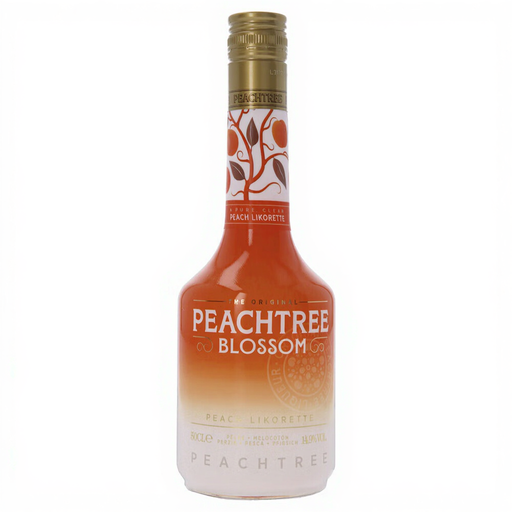
Why This Fits Their Persona: This is a classic and versatile liqueur that forms the base for popular drinks like the Sex on the Beach and the Fizzy Peachtree. It's a bottle you'll actually finish and a staple in any home bar.
It avoids the "one-trick pony" trap with its wide versatility. You're not limited to a single drink, allowing for plenty of experimentation.
Clear flavour of ripe peach. The manufacturer provides clear mixing suggestions, making it an ideal bottle for those just starting to make cocktails.
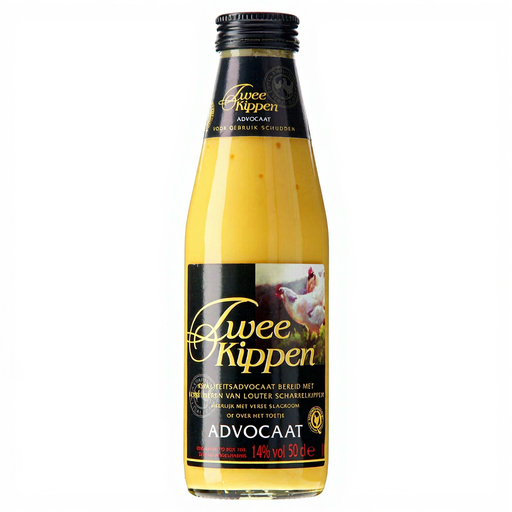
Why This Fits Their Persona: For those looking for a classic Dutch liqueur. Perfect with coffee, a dollop of whipped cream, or as a rich addition to a dessert. A familiar, creamy taste.
This is not a vaguely "artisanal" product. Advocaat is a specific, traditional liqueur with a clear composition based on eggs, sugar, and alcohol.
Made with fresh eggs for an authentic, rich, and creamy texture. The alcohol content of 14% provides a smooth, balanced flavour.
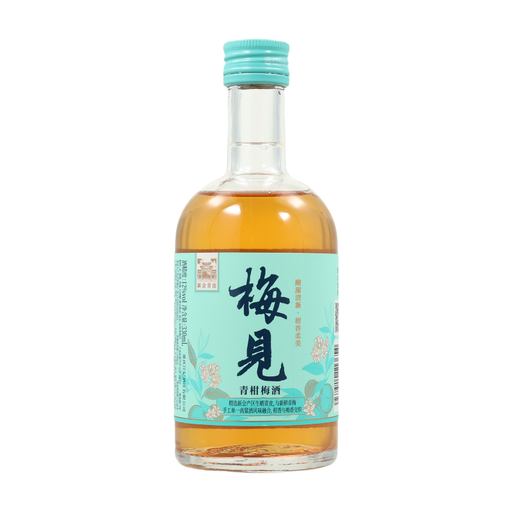
Why This Fits Their Persona: For those who love discovering new flavours, similar to the interest in soju or other Asian beverages. This modern Chinese fruit liqueur combines sweet plum with tart mandarin for a unique experience.
This is a deliberate choice for a specific, new flavour. It's not an impulse buy, but a bottle for those who want to broaden their horizons and try something different from standard European liqueurs.
Surprising sweet-and-sour balance. With 12% ABV, it's an approachable drink that can be enjoyed neat, on the rocks, or mixed with sparkling water.
We have compiled a complete, up-to-date list of products that meet these selection criteria and current regulations.
The shelf life of an opened bottle of liqueur depends heavily on the type. Cream liqueurs and advocaat, which contain dairy or eggs, have a limited shelf life. After opening, it's best to store them in the refrigerator and consume them within a few months. Liqueurs with a higher alcohol content (above 17%) and no perishable ingredients can last for years in a cool, dark place. However, the flavour may diminish slightly over time. Always check the label for specific advice.
The main difference lies in the base ingredients that determine the texture and flavour. A cream liqueur (like Baileys or a pi?a colada liqueur) uses dairy products like cream to create a smooth, creamy texture. A fruit liqueur (like limoncello or peach liqueur) gets its flavour from infusing fruit, peels, or juices in alcohol. This results in a clearer drink with a distinct fruit taste.
Not every liqueur is automatically a good liqueur for cocktails. Some, like complex herbal liqueurs or certain dessert liqueurs, are meant to be drunk neat. For mixing, versatile liqueurs with a clear flavour profile are often a better choice. Think of triple sec (orange), amaretto (almond), or a peach liqueur. These form a great foundation for a home bar and can be used in countless recipes. If you're starting to buy liqueurs for your home bar, these are safe and useful choices.
