
Vandaag of morgen in huis

Kwaliteit gegarandeerd

Welkomstaanbiedingen ontgrendelen: GRATIS bezorging | Tot 80% korting | Gratis 30 dagen JoyPlus-proefperiode
Download de app
Light soy sauce is an indispensable ingredient in many kitchens, especially for those who love Asian cuisine. But when you look at the supermarket shelf, it's easy to feel overwhelmed by the choices. Bottles with gold labels, claims of "superior" quality, and vague terms like "naturally brewed" make the decision difficult. Choosing the wrong bottle is a waste of money and can ruin your dish.
Before you put a bottle in your basket, it's wise to be aware of a few common pitfalls:
To avoid making a bad purchase, there are a few objective specifications you can check. These are listed right on the label and tell you more than the marketing claims on the front.
The foundation of good Chinese soy sauce is simple: water, soybeans, wheat, and salt.
Light soy sauce is meant to add salt and flavour. However, the salt content can vary significantly.
Not everyone needs the same soy sauce. Below are a few suggestions, tailored to different user profiles.
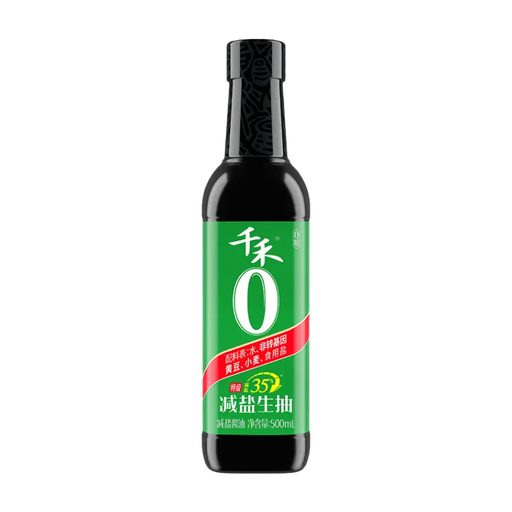
Why This Fits Their Persona: Perfect for those who want to consciously reduce their salt intake without sacrificing flavour. This low-sodium soy sauce is ideal for daily use in all kinds of dishes, from salad dressings to marinades.
This sauce bypasses the hidden additives trap. The ingredient list is short and clear: water, non-GMO soybeans, wheat, salt, and sugar. No MSG, no preservatives.
Contains 35% less salt (11.5g/100ml) than many standard light soy sauces. The high protein content (9.5g/100ml) ensures a rich umami flavour.
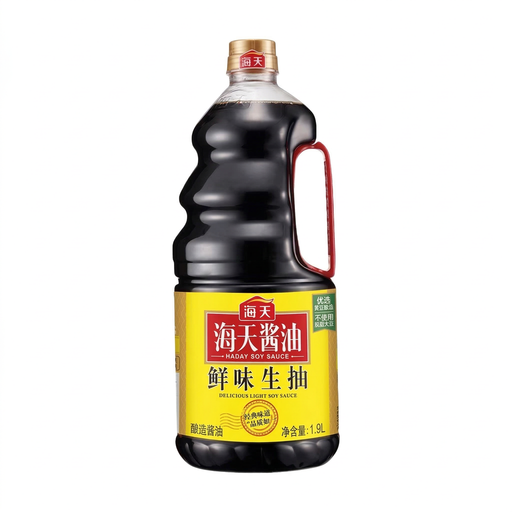
Why This Fits Their Persona: For families or home cooks who regularly prepare Asian cuisine, a large bottle is a smart choice. This Haday soy sauce is a reliable all-rounder at a great price.
You're not paying for a pricey "premium" label, but for a large quantity of functional soy sauce. It's a kitchen workhorse, perfect for daily stir-frying and marinating.
The 1.9L bottle offers excellent value and ensures you won't run out quickly. A versatile sauce suitable for almost any application that calls for light soy sauce.
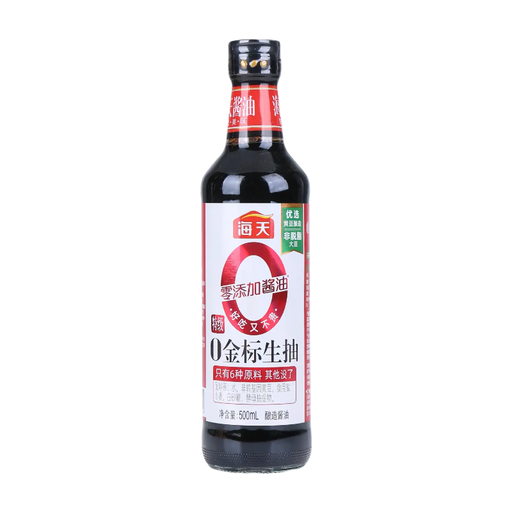
Why This Fits Their Persona: For those seeking a pure, authentic taste. This premium soy sauce is made with a short ingredient list and a focus on the brewing process, resulting in a deep, complex flavour.
This soy sauce avoids the "premium" trap by substantiating its claim. The "0" in the name refers to the absence of additives. The quality is confirmed by the high amino acid value (≥1.0g/100mL).
Made with just 6 ingredients, including non-GMO soybeans. The high amino acid value provides a superior umami flavour, ideal for dipping sauces and finishing dishes.
We have compiled a complete, up-to-date list of products that fully meet these strict selection criteria and current regulations.
Light soy sauce (生抽, sheng chou) is thin, light brown, and salty. It is used to season dishes without significantly altering their colour. Dark soy sauce (老抽, lao chou) is aged longer, often with added molasses or caramel. It is thicker, darker, and sweeter, and is used primarily to give dishes a deep, reddish-brown colour.
After opening, it's best to store light soy sauce in the refrigerator. This helps to preserve its flavour and freshness. Always close the bottle tightly. Most soy sauces will stay good for several months after opening. Check the label for specific storage advice.
Not necessarily. A higher price can indicate a longer, traditional brewing process and high-quality ingredients, which often results in a more complex flavour. However, for daily use in a stir-fry, an affordable, reliable soy sauce from a brand like Haday or Chubang is often more than sufficient. It's more important to look at the ingredient list and intended use than just the price.
