
Vandaag of morgen in huis

Kwaliteit gegarandeerd

Welkomstaanbiedingen ontgrendelen: GRATIS bezorging | Tot 80% korting | Gratis 30 dagen JoyPlus-proefperiode
Download de app
Lentils are a great addition to a vegetarian or vegan diet, but the range available varies considerably. You can choose from dried lentils, tinned lentils, ready-made lentil dishes, lentil soup and even a lentil snack. However, if you only focus on eye-catching packaging or a claim like “rich in protein”, you could end up buying a product that doesn’t suit the way you want to cook it or the occasion you’re eating for.
So watch out for three common pitfalls:
Dried lentils are handy for your store cupboard and offer plenty of flexibility. Red lentils are usually suitable for lentil soup, lentil curry and Indian dal, because they soften during cooking. Green lentils generally stay firmer and work well in salads, stews and Turkish recipes. Cooking times vary by type; always follow the instructions on the packet.
Tinned or pouch lentils are already cooked. Hak Lentils in 380g contains, according to the product information, lentils, water, salt, ascorbic acid and calcium chloride. Per 100g, the product provides 6.8g of protein and 5.2g of fibre. This type is practical for a quick salad, wrap or soup. You can rinse the lentils if you prefer a less salty taste.
Ready-made meals are ideal for busy weekdays. ASHOKA Instant Delhi Lentils & Bombay Biryani combines lentils with basmati rice and can be heated in the microwave. Bonduelle Lentils in Curry is designed as a quick meal or side dish. With products like these, don’t just look at the lentils – also consider the amount of rice, oil, coconut milk, sauce and salt.
Lentil waffles and lentil cakes are a different category. Leev BIO Lentil Waffles Natural is made, according to the product description, from 99.5% lentil flour and contains 28 kcal per waffle according to the packaging. These waffles are intended as a snack or an addition to lunch, not as a replacement for a full lentil meal.
A certification mark such as organic tells you something about the production method, but not automatically about flavour, protein content or suitability for a particular diet. So always check the ingredients list and the nutritional information table. Also look at the condition of the packaging: don’t use any tin, pouch or bag that is bulging, leaking or damaged.
Product information on a webshop may differ from the label. Before use, always read the current packaging, warnings, allergen information, best-before date and cooking instructions. If you’re unsure about gluten, milk or soya, the label is the definitive source.
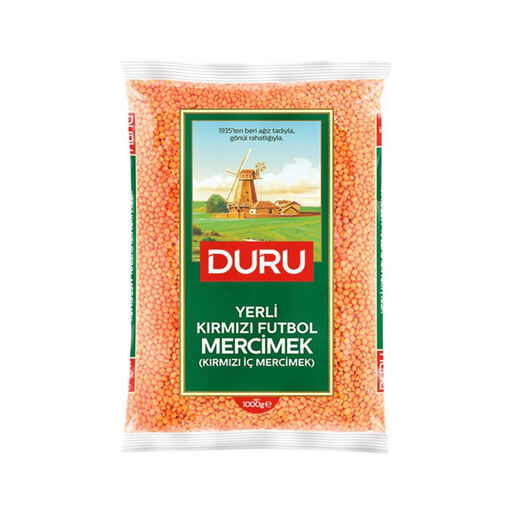
Why this suits the profile: A 1kg bag is practical if you regularly use red lentils in soup, curry or a Turkish meal. According to the product information, the lentils don’t need to be soaked.
The product description lists just one ingredient: red lentils. That way, you’re not paying for a ready-made sauce when you want to control the flavour yourself.
1kg content, suitable for multiple recipes and, according to the product information, rich in plant-based protein.
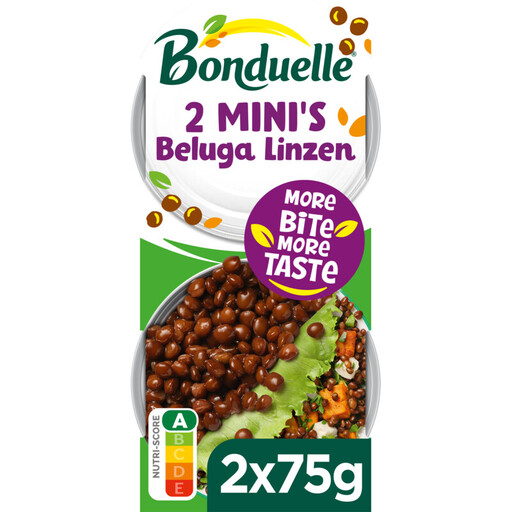
Why this suits the profile: The smaller pack is described as a single-person portion. That’s ideal for a salad, lunch or meal without having an opened pack left over.
The portion size makes comparison with larger bulk packs clearer. Do check the gluten warning stated on the label.
150g per pack, steam-cooked according to the product description and 8.5g protein per 100g.
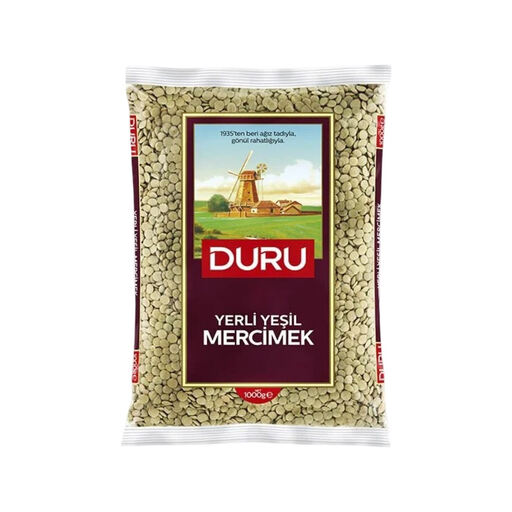
Why this suits the profile: If you often make lentil salads, soups, stews or mercimekli bulgur, a bulk pack with a single main ingredient is a great choice.
The product information states 100% green lentils and a cooking time of around 20 to 30 minutes. That makes meal planning clear from the start.
1kg content, firm texture according to the description and approximately 23 to 25g protein per 100g based on the nutritional information provided.
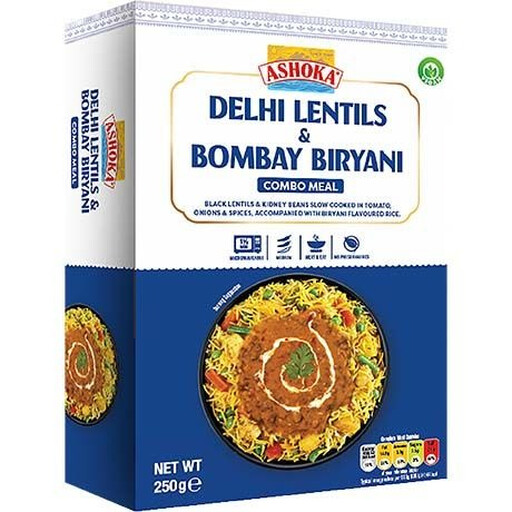
Why this suits the profile: A microwave meal is handy for a quick lunch or evening meal without having to cook a separate pan of lentils.
The product description explicitly mentions the combination of Delhi lentils and Bombay biryani. So you know that rice and spices are part of the portion.
250g content, microwave preparation and, according to the product information, suitable for vegetarians.
We’ve put together a full, up-to-date list of products that fully meet these strict selection criteria and comply with current European safety regulations.
Often, yes. Red lentils soften during cooking and are therefore practical for soup, curry and dal. Green lentils generally hold their shape better and, according to Duru’s product information, need around 20 to 30 minutes of cooking time. Always check the instructions on the packet.
Prepared lentils from a tin or pouch are usually ready to use, but follow the instructions on the label. Check the packaging for damage, leakage or bulging. Once opened, any leftovers should be refrigerated according to the stated storage instructions and used promptly.
Plain dried lentils and many natural tinned lentils are suitable as a base for a vegetarian or vegan meal. However, ready-made soups, curries and snacks may contain milk, soya or other ingredients. So always read the current allergen and ingredients list before making your choice.
