
Vandaag of morgen in huis

Kwaliteit gegarandeerd

Welkomstaanbiedingen ontgrendelen: GRATIS bezorging | Tot 80% korting | Gratis 30 dagen JoyPlus-proefperiode
Download de app
Buying lemonade online sounds simple until you have to choose between soft drinks, lemonade syrup, sparkling lemonade and international flavours. Eye-catching packaging tells you little about the taste, nutritional value or quantity you will actually receive. With a few simple checks, you can avoid a disappointing purchase and find a product that suits your household and the occasion.
A 1.5-litre bottle may seem appealing for a family, but carbonation quickly disappears once it has been opened. As a result, the drink may not stay fizzy for long. A multipack of small cans or bottles can be more practical if you want to keep individual portions chilled.
With lemonade syrup, it is important to check the dilution ratio. According to Raak’s product description, a 750 ml bottle can be diluted to around 6 litres, depending on the recommended ratio of 1 part syrup to 7 parts water. So do not just compare the price per bottle; also compare the price per prepared glass.
Sugar-free lemonade often contains sweeteners instead of sugar. This can make it taste different from standard soft drinks. Check the ingredients list for substances such as aspartame, acesulfame-K, sucralose or steviol glycosides.
For products containing aspartame, the packaging must state, according to the product information, that the product contains a source of phenylalanine. This is relevant to people with phenylketonuria. Always check the current label, as the formulation and labelling may vary between markets.
Lemonade, fruit lemonade and exotic lemonade can contain different amounts of fruit juice. For example, Sanpellegrino Limonata states that it contains 11% lemon juice from concentrate, while G’woon Clear Lemon contains 0.01% lemon juice from concentrate according to the product information. The flavour description alone therefore does not tell you the whole story.
Where possible, compare nutritional values per 100 ml. This allows you to make a fair comparison between a 250 ml can and a 1.5-litre bottle. Pay attention to:
G’woon Clear Lemon states 0 grams of sugar and 1 kcal per 100 grams. 7UP Zero Sugar also contains no sugar and less than 1 kcal per 100 ml, according to the product description. This makes these varieties suitable for anyone looking to avoid sugar, although they are still sweetened soft drinks containing sweeteners.
If you want sparkling lemonade, check whether the product is described as carbonated, fizzy or sparkling. Lemonade syrup usually contains no carbonation; you add still or sparkling water yourself.
A large PET bottle is well suited for use at home and at parties. Cans between 250 and 355 ml are convenient for fixed portions. A pouch, such as Ice Talk Blue Lemon Ade, is designed for use on the go, at picnics or on festive occasions. For the best fizz, keep opened carbonated drinks chilled and seal them tightly.
Always check the current label for:
According to its own product information, Uludağ states that its lemonade is produced without added preservatives and contains 10% lemon juice. This is a brand statement; check the ingredients list on the packaging you receive. Imported products, such as American lemonade or Asian soft drinks, may also differ in formulation, label language and nutritional values.
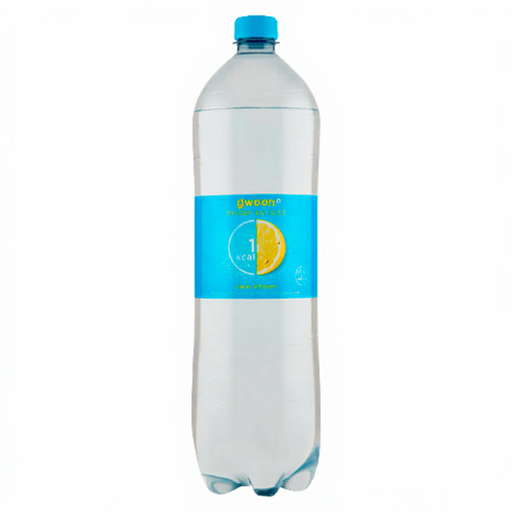
Why it suits this profile: A large bottle for the home, with a refreshing lemon-lime flavour and 0 grams of sugar according to the product information.
The nutritional values and ingredients are clearly stated, so you do not have to rely on the packaging alone.
1.5-litre capacity; 0 g sugar and 1 kcal per 100 grams according to the product description.
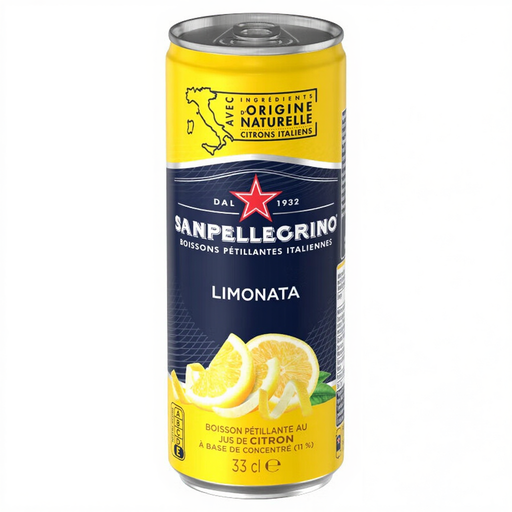
Why it suits this profile: Ideal for anyone looking for a carbonated lemon drink in a convenient individual serving.
The product information states 11% lemon juice from concentrate and 8 g of sugar per 100 ml, allowing you to take the formulation into account.
330 ml per can; recommended serving temperature of 6–8 °C; country of origin according to the product information: Italy.
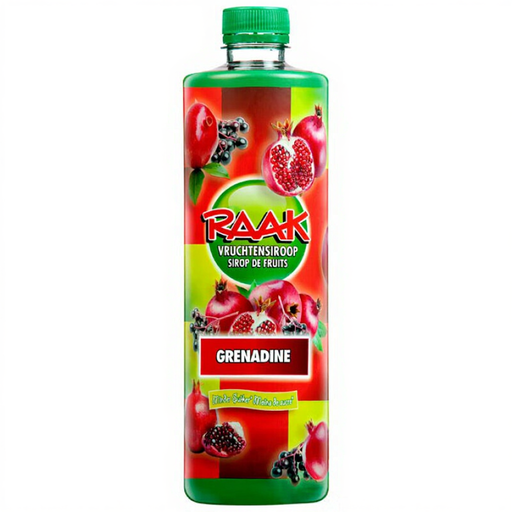
Why it suits this profile: Convenient for families, parties and households that want to control the strength and quantity themselves.
You buy concentrate instead of several ready-to-drink bottles. The recommended mixing ratio makes the expected number of glasses clear.
750 ml syrup; around 30 glasses according to the product information; suitable for still or sparkling water.
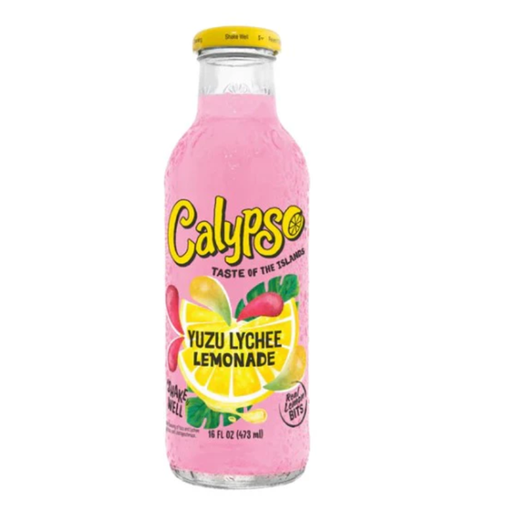
Why it suits this profile: An American lemonade with yuzu and lychee flavours for anyone looking for something different from standard lemon-lime soft drinks.
The product description specifies the flavour combination, colour and required action: shake before use. This means you know what you are ordering.
473 ml capacity; yuzu, lychee, lemon juice concentrate and lemon pulp according to the ingredients list.
We have put together a complete, up-to-date list of products that fully meet these strict selection criteria and the applicable European safety regulations.
Lemonade is usually a ready-to-drink beverage, which may be carbonated. Lemonade syrup is a concentrate that you mix with water. Syrup generally takes up less storage space and allows you to choose the strength yourself. Check the recommended mixing ratio to calculate the cost per glass.
Examples from the range include G’woon Clear Lemon and 7UP Zero Sugar. The product information states that neither variety contains sugar. They do contain sweeteners, however. If you want to reduce your sugar intake, it is worth checking both the nutritional table and the ingredients list.
After opening, store soft drinks and lemonade in the fridge, seal the bottle or packaging tightly and follow the storage advice on the label. Carbonated drinks gradually lose their fizz. A small package is therefore often practical when you are not going to finish the drink in one go.
