
Vandaag of morgen in huis

Kwaliteit gegarandeerd

Welkomstaanbiedingen ontgrendelen: GRATIS bezorging | Tot 80% korting | Gratis 30 dagen JoyPlus-proefperiode
Download de app
Lemonade might seem like a straightforward choice, but the range on offer varies enormously. Are you looking for a sweet lemon drink, a fizzy option for a party, or perhaps a sugar-free choice for everyday drinking? Don't just rely on what's written on the front of the bottle. Claims like "natural", "zero" and "with lemon flavour" don't always tell you how much lemon juice, sugar or sweetener the product actually contains.
Some drinks contain mostly water, flavourings and food acids. G'woon Clear Lemon, for example, lists 0.01% lemon juice from concentrate, while Sanpellegrino Limonata contains 11% lemon juice from concentrate and 5% lemon juice according to the product information. Both are lemon soft drinks, but their composition is clearly different.
So, always check the ingredients list and look for:
A sugar-free lemonade typically contains sweeteners. 7UP Zero Sugar uses aspartame among other ingredients, according to the product description, while G'woon Clear Lemon lists sweeteners E955 and E950. The taste can therefore be quite different from a regular lemonade made with sugar.
If aspartame is a concern, check the packaging information. The product description for 7UP Zero Sugar states that it contains a source of phenylalanine. If you need to avoid certain ingredients or sweeteners, it's always wise to check the full label.
A 1.5-litre bottle of lemonade is handy for home or with a meal, but once opened, the fizz gradually fades. A can or small bottle stays sealed until you're ready to serve. For a party, a lemonade multipack can therefore be more practical, even if the price per litre is higher.
Always compare the nutritional information per 100 ml. This way, you avoid being misled by a small serving size shown on the front. Here are some examples from the product information:
Also check the total volume. A 330 ml can, a 230 ml pouch and a 1.5-litre bottle cannot be compared directly.
Not every lemon drink is equally fizzy. Look for "carbonated", "sparkling" or "fizzy" on the label. A sparkling lemonade can taste sharp and refreshing, whereas a drink with less carbonation will come across as milder.
The balance between sweet, sour and bitter also varies. London Bitter Lemon contains 7% lemon juice from concentrate and quinine flavourings, according to the product information. This gives it a more bitter profile than a standard lemonade. Sanpellegrino Limonata, on the other hand, is designed for an intense lemon flavour profile using Sicilian lemons, according to the brand's description.
Choose your packaging based on your situation:
Always check the best-before date and storage instructions with every purchase. Once opened, soft drinks generally need to be kept refrigerated and consumed within the stated period.
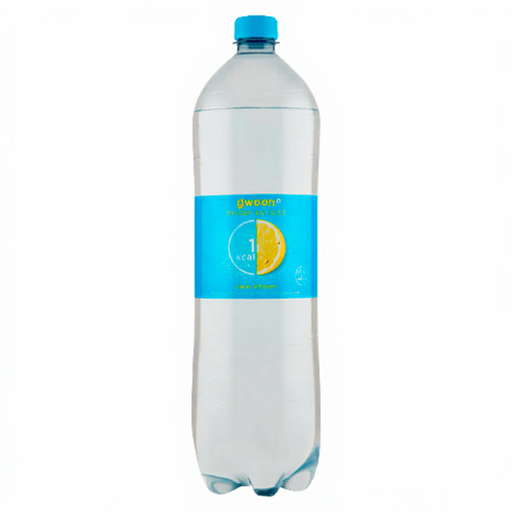
Why this suits the profile: The large bottle is ideal for home use, and the nutritional information shows 1 kcal and 0 g sugar per 100 ml.
The ingredients make it clear that the drink is sweetened with sweeteners and contains only 0.01% lemon juice from concentrate.
1.5-litre volume, sparkling, 0 g sugar per 100 ml and a lemon-lime flavour profile.
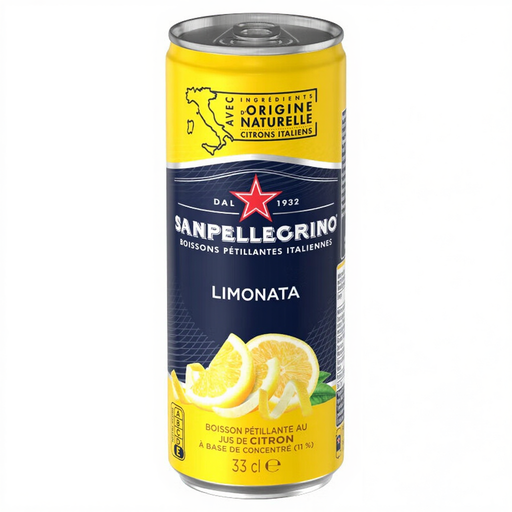
Why this suits the profile: The 330 ml can and the lemon juice content make it ideal for serving calmly with a meal or at a drinks party.
The label clearly states 11% lemon juice from concentrate and 5% lemon juice, so the flavour base is verifiable.
330 ml per can, 35 kcal per 100 ml and a clearly stated lemon juice content.
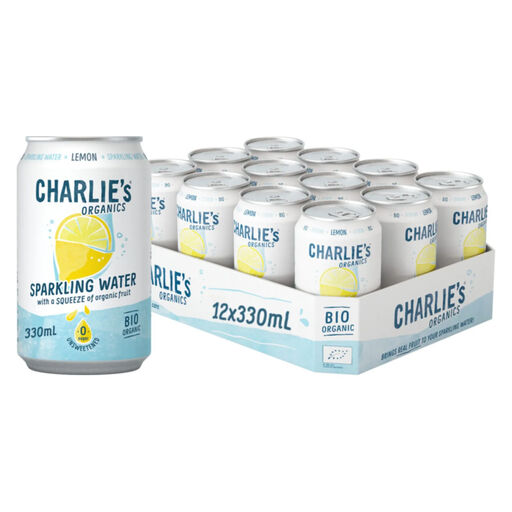
Why this suits the profile: The multipack of twelve cans is practical for parties, the office, the store cupboard or for use as a mixer.
The individual 330 ml cans reduce waste and keep the drink sealed until serving.
12 x 330 ml, 1 kcal and 0 g sugar per 100 ml, with 3% organic lemon juice according to the product information.
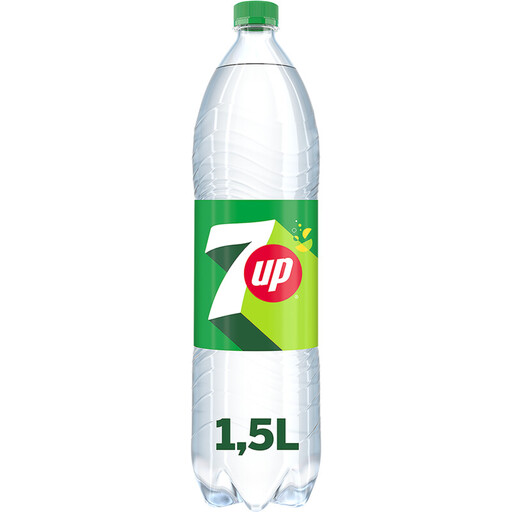
Why this suits the profile: The 1.5-litre bottle is ideal for sharing and combines lemon and lime flavour for a recognisable soft drink taste.
The volume and nutritional information are clearly stated: 1.5 litres, 19 kcal and 4.6 g sugar per 100 ml.
Large PET bottle, carbonated and suitable for serving at home or as a base for a mixed drink.
We've put together a full, up-to-date list of products that fully meet these strict selection criteria and comply with current European safety regulations.
This varies from product to product. G'woon Clear Lemon and Charlie's Sparkling Water Lemon list 0 g sugar per 100 ml. 7UP Zero Sugar is described as sugar-free and contains less than 1 kcal per 100 ml. Always check the ingredients list, as sugar-free drinks often contain sweeteners.
Not always. "Lemonade" is a broad term for a sweet lemon drink. Some varieties contain carbonation, others don't. A lemonade can also contain lemon juice, concentrate, flavourings or a combination of these. So, look at the juice percentage and nutritional values rather than just the product name.
Store an opened bottle according to the label, usually refrigerated and tightly sealed. Use the drink within the stated period. A sealed can or small bottle is more practical if you want to keep the fizz and flavour for longer, because you only open the packaging when you're ready to serve the drink.
