
Vandaag of morgen in huis

Kwaliteit gegarandeerd

Welkomstaanbiedingen ontgrendelen: GRATIS bezorging | Tot 80% korting | Gratis 30 dagen JoyPlus-proefperiode
Download de app
Buying lemonade seems straightforward – until you have to choose between lemonade, sparkling lemonade, fruit cordial, zero-sugar fizzy drinks or a large multipack. A flashy label doesn’t tell you much about the taste, sugar content or the actual quantity you’re getting.
What’s more, similar names can refer to very different products. An American-style lemonade, for instance, is often a still drink made with fruit juice, whereas a lemon-lime fizzy drink contains carbonation and flavourings. Keep these points in mind to avoid a disappointing purchase.
“Lemon”, “lemonade” or “fruit” on the front doesn’t automatically mean there’s a high juice content. Always check the ingredients list and the percentage of fruit juice. For example, Sanpellegrino Limonata states 11% lemon juice from concentrate, plus a further 5% lemon juice in the ingredient information. G’woon Clear Lemon, on the other hand, lists 0.01% lemon juice from concentrate, relying mainly on lemon-lime flavouring.
If you’re after a pronounced lemon taste, it’s worth comparing the juice percentage and the flavourings side by side.
A zero-sugar fizzy drink contains no sugar or only a negligible amount according to the product information, but it usually uses sweeteners instead. This can make the taste quite different from regular fizzy drinks. Fanta Lemon Zero, for example, lists aspartame, acesulfame-K and sodium saccharin. 7UP Zero Sugar contains aspartame and is a source of phenylalanine.
Always read the current packaging, especially if you want to avoid certain sweeteners or need to consider phenylketonuria. A sugar-free lemonade is not automatically the same as a drink without sweeteners.
A 1.5-litre bottle might seem good value, but once opened, sparkling lemonade needs to be kept refrigerated and consumed within the stated period. For a party, individual cans or a lemonade multipack can be more practical. For everyday use, fruit cordial can be more efficient: according to the product information, a bottle of Raak yields around 30 glasses at the recommended dilution.
So don’t just compare the price per pack – also compare the price per litre or per glass.
Look at the nutritional values per 100 ml. In the product information provided, the sugar content varies widely:
With cordials, you also need to pay attention to the dilution ratio. Raak Grenadine recommends a ratio of 1 part cordial to 7 parts water. Using sparkling water turns it into a fizzy lemonade. The final nutritional value depends on how much cordial you use.
If you want a zesty, fizzy drink, look for “carbonated”, “sparkling” or “sparkling” in the product description. Not every American-style lemonade is fizzy. Calypso Yuzu Lychee Lemonade and Calypso Ocean Blue Lemonade are examples of fruity drinks with a larger 473 ml volume; check each product to see if carbonation is explicitly mentioned.
For home use and parties, 1.5-litre PET bottles, such as 7UP or G’woon, are handy for filling glasses. Lemonade in cans or smaller bottles is more practical when several people want to open their own portion.
Check the number of packs, the volume per unit and the storage instructions. A product labelled “12 x 355 ml” is different from a single 330 ml can. After opening, the product descriptions generally recommend refrigeration and consumption within the period stated on the packaging.
With multipacks, also consider your available storage space. A box of 24 cans is great for stocking up or for an event, but less convenient if you’re short on space.
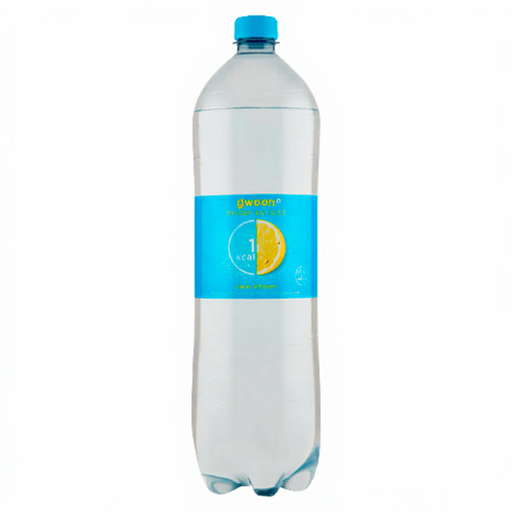
Why this fits the profile: The 1.5-litre bottle is ideal for home use and gives you a generous amount of sparkling lemonade with no sugar, according to the product information.
The nutritional information states 0 g sugar and 1 kcal per 100 ml. This makes it clear straight away that the sweet taste comes from sweeteners, not sugar.
1.5 litre volume; carbonated; 0 g sugar per 100 ml; contains none of the 14 major EU allergens according to the product information.
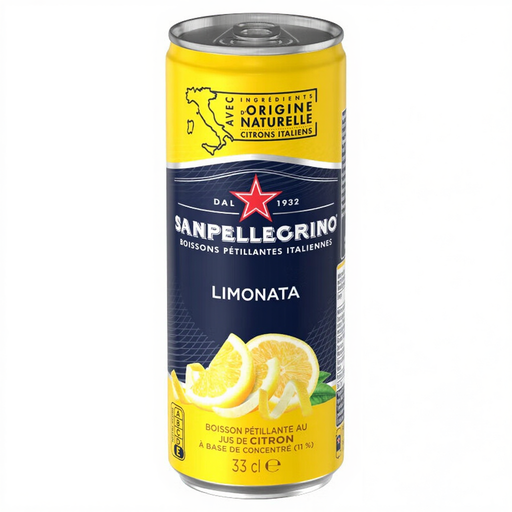
Why this fits the profile: If you’re after a smaller portion with a distinct lemon flavour, this canned format can be served chilled.
The product information mentions 11% lemon juice from concentrate, so you can compare the juice percentage against drinks that rely mainly on flavourings.
330 ml per can; 8 g sugar per 100 ml; according to the product description, it originates from Italy; recommended serving temperature 6–8 °C.
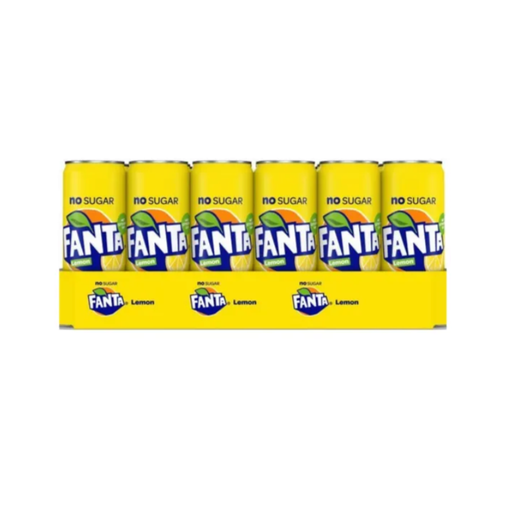
Why this fits the profile: A box of 24 cans is ideal for party organisers, families and households who like to keep a stock at home.
The packaging makes the number of servings clear: 24 cans of 330 ml. The nutritional information states 0 g sugar per 100 ml.
24 individual cans; lemon flavour; 0.30 kcal per 100 ml according to the product information; contains sweeteners, including aspartame.
We’ve put together a full, up-to-date list of products that fully meet these strict selection criteria and comply with current European safety regulations.
In the Netherlands, “limonade” can refer to both a ready-to-drink beverage and a cordial that you dilute. Fruit cordial is mixed with water, whereas fizzy drinks are usually ready to drink and often carbonated. So check whether you’re buying a bottle of cordial, a sparkling lemonade or a ready-to-drink product.
Store opened lemonade according to the instructions on the label. For the products mentioned, this generally means: keep refrigerated, seal tightly and consume within the stated period. With carbonated drinks, resealing quickly helps keep the fizz for longer.
That depends on the price per litre, the volume per can and how much you actually use. A multipack of 24 cans is handy for an event, but a bottle of fruit cordial can work out cheaper per glass. So compare the price per litre and the recommended dilution before you order.
