
Vandaag of morgen in huis

Kwaliteit gegarandeerd

Welkomstaanbiedingen ontgrendelen: GRATIS bezorging | Tot 80% korting | Gratis 30 dagen JoyPlus-proefperiode
Download de app
Buying lemonade might seem straightforward, but the range on offer varies greatly in flavour, sugar content, packaging and use. A chilled can of lemonade for on the go calls for a different choice than a bottle of cordial for the family. Terms like fruity, natural and zero don’t always tell you enough about what’s actually inside.
With this practical checklist, you can compare lemonade on the points that really matter. After that, you’ll find a few popular choices for different situations.
A fruity soft drink can be mostly flavourings, colourings and sweeteners. So always check the ingredients list and the percentage of fruit juice. Sanpellegrino Limonata, for example, contains 11% lemon juice from concentrate along with sugar, carbon dioxide and natural lemon flavouring. With Charlie’s Sparkling Water Lemon, the product information states the drink is made from 97% carbonated water and 3% organic lemon juice.
A product with 0 grams of sugar can still contain sweeteners. 7UP Zero Sugar lists aspartame and natural lemon-lime flavourings among its ingredients. Sprite Zero Sugar also includes sweeteners and, according to the product information, contains 14 kcal per 100 ml. With aspartame, also look out for the warning that the product contains a source of phenylalanine.
Don’t just compare the price of a bottle or multipack; also look at the amount of drink you get per serving. A 750 ml bottle of Raak cordial can yield around 6 litres of drink, or 30 glasses of 200 ml, based on the recommended dilution ratio given in the product description. For individual use, cans are more convenient, but for a family, cordial can mean less packaging space per glass.
Look at the nutritional information per 100 ml, not just the claims on the front. Here are a few examples:
So a sugar-free lemonade isn’t the same as a drink without sweeteners. If you want to avoid a particular sweetener, it’s worth reading the label thoroughly.
For a clear citrus taste, look at the juice percentage, the type of flavouring and whether pulp is present. A sparkling lemonade with lemon and lime flavouring generally has a fresher, sharper profile than a fruit drink with apple, berry or tropical flavours.
If you’re after something different from a lemon-lime soft drink, you could consider:
Also note the difference between sparkling water and regular soft drinks. Sparkling water often contains less sugar and fewer calories, while regular lemonade usually has a sweeter, more intense flavour.
A 1.5 litre bottle is good for home use, but it can lose its fizz more quickly once opened. Cans of 250 to 473 ml are practical for serving chilled and, when unopened, give you a controlled portion. A multipack of 12 or 24 cans is ideal for stocking up, for guests or for regular use.
Always check the best-before date on the packaging. Store soft drinks in a cool place away from direct sunlight. Once opened, the product information advises keeping them refrigerated and using them within the stated period.
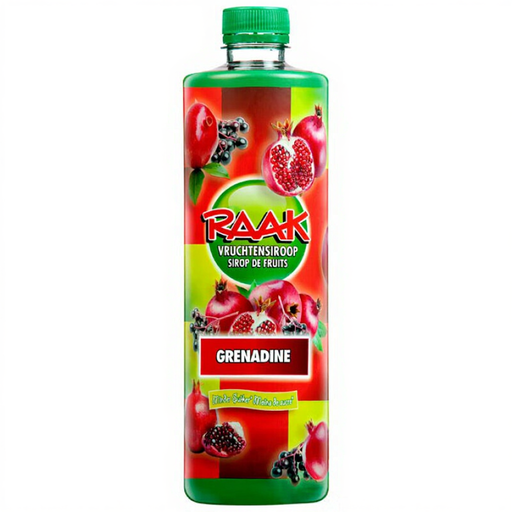
Why it fits this profile: This cordial is designed to be mixed with water or sparkling water and, according to the product information, yields around 6 litres of drink, or roughly 30 glasses.
You’re not buying based on bottle size alone: the expected yield and dilution ratio are clearly stated.
750 ml cordial, suitable for water or sparkling water; according to the product information, vegan and free from the 14 major EU allergens.
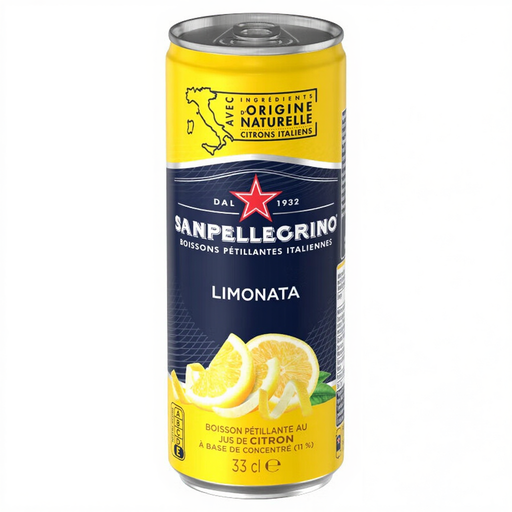
Why it fits this profile: This portion of lemonade combines fizz with 11% lemon juice from concentrate and is designed to be served chilled.
The juice percentage is given in the product information, so you don’t have to judge the lemon flavour from the packaging alone.
330 ml per can; 35 kcal and 8 grams of sugar per 100 ml; originating from Italy according to the product description.
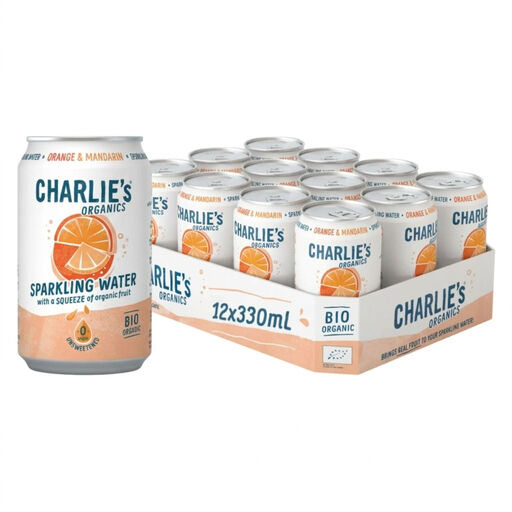
Why it fits this profile: The 12 cans of 330 ml are ideal for stocking up at home, for guests or for a chilled, sugar-free drink.
The nutritional information states 0 grams of sugar per 100 ml. The ingredients also mention 4.5% organic orange and mandarin juice.
2 kcal per 100 ml; 12 x 330 ml; carbonated water with organic fruit and natural flavouring.
If you’re mainly after lemon-lime soft drinks, lemonade or other fizzy varieties, you can also compare 7UP, Sprite Zero Sugar, G’woon Clear Lemon, Charlie’s Sparkling Water Lemon and Uludağ Limonade. For something more exotic, Calypso Yuzu Lychee, Bundaberg Passionfruit and TING Soda Tropical are worth exploring.
We’ve put together a full, up-to-date list of products that fully meet these strict selection criteria and comply with current European safety regulations.
Cordial needs to be diluted with water. This means you can adjust the flavour and strength to your own taste. Ready-to-drink lemonade is ready to pour, but it generally takes up more storage space per litre.
Once opened, the carbonation gradually loses its fizz. Keep the bottle or can chilled and closed, and follow the usage and storage advice on the packaging. The exact shelf life after opening varies from product to product.
Not always to the same degree, but many zero soft drink varieties are low in calories. Check the nutritional information per 100 ml and also look at the sweeteners used. With a cordial, the dilution ratio is also important.
