
Vandaag of morgen in huis

Kwaliteit gegarandeerd

Welkomstaanbiedingen ontgrendelen: GRATIS bezorging | Tot 80% korting | Gratis 30 dagen JoyPlus-proefperiode
Download de app
A cold bottle of lemon iced tea is perfect for lunch, a picnic, an office get-together or a warm afternoon. Yet the choice can seem simpler than it really is. One lemon iced tea is a sweet black tea, another is a green iced tea with lemon and less sugar. The packaging also makes a difference: a 1.5-litre bottle is handy for sharing, while small cartons or cans are more practical for on the go.
As Joybuy Product Recommendation Officer, I focus on the verifiable information on the label: volume, serving size, tea type, sugar content, carbonation and storage instructions. That way, you can avoid an attractive package that doesn't suit your everyday needs.
Words like light, refreshing or low calorie don't always tell you how much sugar a drink contains. So look at the nutritional information per 100 ml and the total bottle volume. A drink with 3 grams of sugar per 100 ml in a 1.5-litre bottle theoretically contains 45 grams of sugar if you drink the whole bottle.
The values vary across the range. Lipton Ice Tea Lemon 1.5 litre states 3 grams of sugar per 100 ml. Master Kong Lemon Tea states 9.5 grams per 100 ml. The g'woon Ice Tea Green Lemon states 2.21 grams per 100 ml. Always check the current packaging, as recipes and labels can change.
A product can have a distinct lemon flavour through a combination of lemon juice, food acids and flavourings. So check the ingredients list. Lipton Ice Tea Lemon, for example, states 0.1% lemon juice from concentrate. Vitasoy Black Tea Drink with Lemon Flavour states a minimum of 1.0% lemon juice. That difference can matter if you're specifically looking for iced tea with lemon rather than just a flavoured tea drink.
An iced tea multipack is tempting for stocking up, but check the portions and storage space. Six 250 ml cartons give you 1.5 litres in total, split into individual servings. A tray of 24 cans or bottles takes up more room, but is handy for an office, party or family.
Also note the difference between still and sparkling. If you're after a classic black tea with lemon, you'll probably prefer a non-carbonated version. If you enjoy the fizz of a soft drink, there are sparkling options too.
The description “authentic” or “traditional” flavour is a brand claim, not an objective quality guarantee. According to the product information, Vitasoy's lemon tea is based on a Hong Kong recipe; Master Kong describes its drink as a classic Chinese lemon tea. Use such information as a flavour guide and compare the label as well.
Compare per 100 ml:
Lipton Ice Tea Sparkling Green Citrus states 0 grams of sugar and uses steviol glycosides. That product has a citrus and blood orange flavour, not exclusively lemon. Lipton Ice Tea Green Lemon states 2.2 grams of sugar per 100 ml. Oishi Green Tea Honey Lemon states 12 grams of sugar per 100 ml. The word “honey” therefore gives no indication that the product is low in sugar.
Choose the packaging based on when you'll be drinking:
Once opened, follow the instructions on the packaging. Many products need to be kept refrigerated and consumed within 24 hours to 3 days. A large bottle is only good value if you can finish it in time.
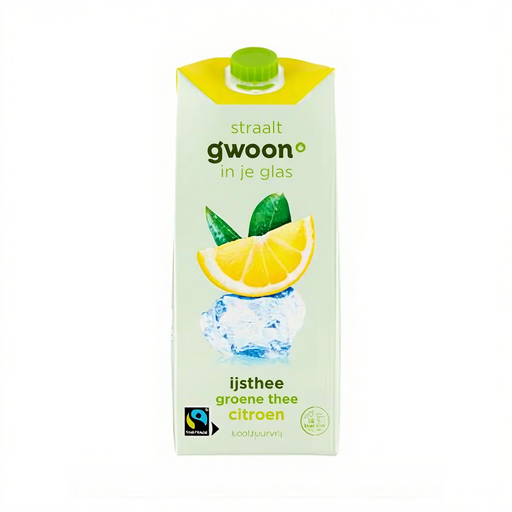
Why this fits the profile: The 1.5-litre bottle is suitable for home use and sharing with a meal. The stated nutritional information contains 2.21 grams of sugar per 100 ml.
The volume and nutritional values are clearly stated, so you don't have to rely on the packaging alone.
Green tea with lemon flavour, 1.5-litre volume and a non-carbonated composition.
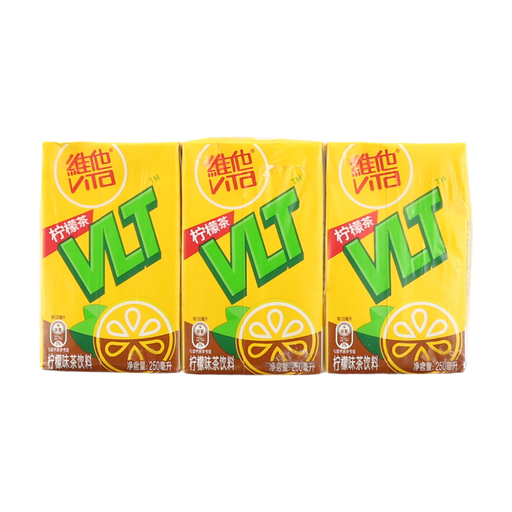
Why this fits the profile: If you're after Asian-style iced tea and a pronounced black tea with lemon, you get six individual 250 ml portions.
The serving size prevents a large bottle from sitting around after opening. The product information also states a minimum of 1.0% lemon juice.
250 ml per carton, six per pack and 9 grams of sugar per 100 ml according to the stated nutritional information.
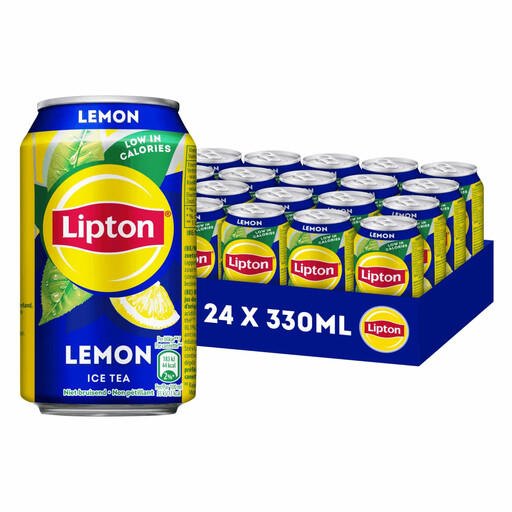
Why this fits the profile: A tray of 24 330 ml cans is practical for the office, catering, parties or a household that regularly drinks ready-to-drink iced tea.
Individual cans limit waste after opening and are easier to chill and serve than one large bottle.
24 portions of 330 ml, non-carbonated and 3 grams of sugar per 100 ml according to the product information.
We've put together a full, up-to-date list of products that fully meet these strict selection criteria and current European safety regulations.
This varies by product and recipe. In the stated product information, Lipton Ice Tea Sparkling Green Citrus contains 0 grams of sugar per 100 ml. Lipton Ice Tea Green Lemon states 2.2 grams and Lipton Ice Tea Lemon 3 grams per 100 ml. Always check the current label when you buy.
Follow the manufacturer's storage advice. The product information often recommends keeping it refrigerated and consuming within 24 hours to 3 days. Small packs are handy if you don't finish a bottle quickly. Smell and look at it before use, and don't consume a product if the packaging is damaged.
That depends on the price per litre and how much you drink. A large bottle can be practical for meals and shared use. A multipack with 250 ml or 330 ml portions can reduce waste and is easier to take with you. So compare the total price, volume and shelf life after opening.
