
Vandaag of morgen in huis

Kwaliteit gegarandeerd

Welkomstaanbiedingen ontgrendelen: GRATIS bezorging | Tot 80% korting | Gratis 30 dagen JoyPlus-proefperiode
Download de app
Dried legumes are a pantry staple. They are nutritious, versatile, and economical. But when you're shopping for dried beans, lentils, or chickpeas, whether in-store or online, the sheer number of options can be overwhelming. The selection is vast, and the packaging isn't always clear. How can you be sure you're choosing the right type for your recipe and paying a fair price?
As a Joybuy Product Recommendation Officer, I'm here to guide you. We'll look at the common pitfalls you might encounter and the key details that truly make a difference, so you can purchase the right legumes with confidence.
Before you fill your shopping cart, it's wise to be aware of a few common missteps. These can lead to a disappointing dish or unnecessary expenses.
To avoid the pitfalls above, you can focus on a few concrete specifications. These will help you make an informed choice.
The right bean is the foundation of a successful dish. Think about what you want to make beforehand.
Good packaging is crucial for quality. Check that the package is completely sealed and undamaged. This prevents moisture and pests. Also, look for the best-before date (THT). Although legumes are often still edible after this date, a more recent date gives you more certainty of a reasonable cooking time and better flavour.
The choice for organic legumes is a personal one. Organic means the legumes were grown without the use of synthetic pesticides and artificial fertilisers. This is guaranteed by an official EU organic certification mark on the packaging. If this is important to you, look specifically for this logo.
To help you with your choice, we have highlighted a few products that suit different needs and cooking styles.
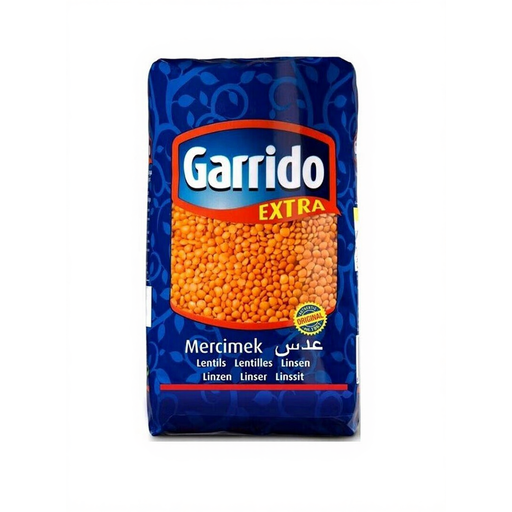
Why This Fits Their Persona: Ideal for those looking for a large quantity of a versatile and quick-to-prepare ingredient. Red lentils are the foundation for countless budget-friendly, protein-rich meals, from soup to curry.
You are buying a large, economical package of a product with a clear application. No risk of a bad purchase, as red lentils are specifically meant to cook down until soft.
Cooks in under 20 minutes without soaking. The 1 kg package with 10% extra offers excellent value for money.
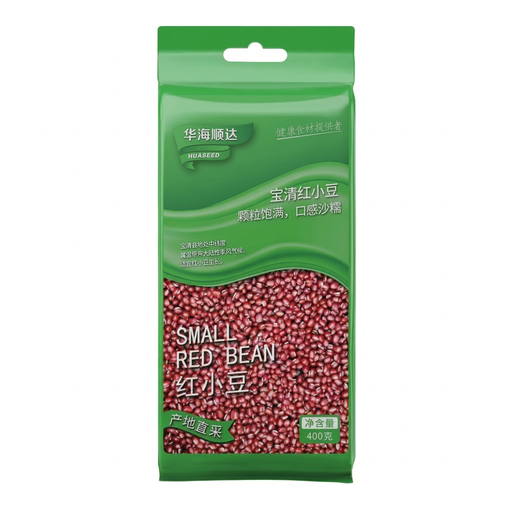
Why This Fits Their Persona: Perfect for the home cook who loves to experiment with Asian cuisine. These aduki beans are specifically intended for making sweet red bean paste, soups, and other traditional desserts.
This product avoids the pitfall of buying a random 'red bean' (like a kidney bean) for a sweet recipe. These are the specific, naturally sweeter aduki beans.
Selected, plump beans with a soft texture and natural sweetness that is ideal for desserts. Clear instructions for soaking and cooking.
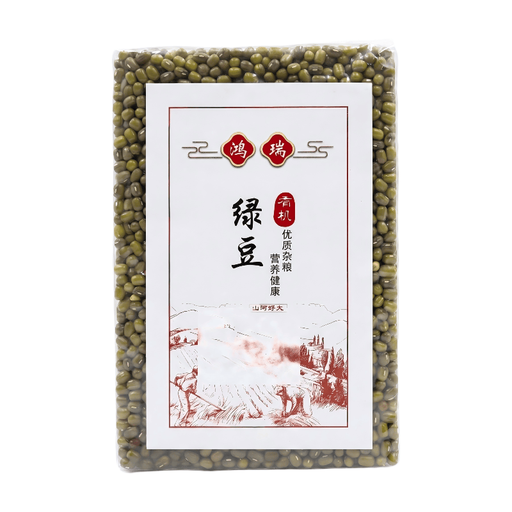
Why This Fits Their Persona: For those who value pure and nutritious ingredients. These mung beans are certified organic and a source of plant-based protein and fibre. They are versatile for use in healthy cooking.
The "organic" claim here is not an empty marketing term but is backed by certification. You can be sure you are buying a product that meets organic farming standards.
100% certified organic. Rich in protein (21g per 100g) and suitable for soups, desserts, salads, or for sprouting at home for extra nutrients.
We have compiled a complete, up-to-date list of products that fully meet these strict selection criteria and local regulations.
It depends on the type and size. Smaller legumes like lentils and split peas usually do not need to be soaked. Larger, harder beans like chickpeas, kidney beans, and white beans do. Soaking significantly shortens the cooking time and can help make the beans more digestible. Soaking overnight in cold water is usually sufficient.
Store dried legumes in a cool, dark, and dry place. A pantry is ideal. Once the package is opened, it's best to transfer the contents to an airtight jar or container. This protects them from moisture, light, and pests, helping to preserve their quality and freshness for longer.
Yes, on a per-serving basis, dried legumes are almost always cheaper than their canned or jarred counterparts. The purchase price of a bag of dried beans is higher, but it yields a much larger quantity after soaking and cooking. The trade-off is mainly convenience versus cost: dried beans require preparation time, while canned beans are ready to use immediately.
