
Vandaag of morgen in huis

Kwaliteit gegarandeerd

Welkomstaanbiedingen ontgrendelen: GRATIS bezorging | Tot 80% korting | Gratis 30 dagen JoyPlus-proefperiode
Download de app
As a Product Recommendation Officer at Joybuy, I see the vastness of choice available every day. Legumes are a prime example. They are nutritious, versatile, and affordable. But when you want to buy legumes online, the selection can be overwhelming. The wrong choice not only leads to a disappointing dish but also to unnecessary expense or food waste. Let's look at a few common pitfalls.
A frequent mistake is blindly trusting the packaging. A can of canned beans with a health-conscious image can contain a surprising amount of salt or sugar, especially in sauced varieties. Another pitfall is the choice between dried and canned. Many people buy dried beans for their lower price but underestimate the required soaking and cooking time. The result? The bag sits untouched in the cupboard for months.
To avoid a bad purchase, it's helpful to pay attention to a few specific details. This will help you look past the marketing and choose a product that truly fits your needs.
The ingredient list is your most important tool. For canned vegetables, it's essential to check for added salt and sugar.
The choice between dried and canned depends entirely on your lifestyle and planning.
Not all beans are created equal. The texture and flavour determine what a legume is best suited for.
Based on objective product features, we have selected a few options that cater to different needs and preferences.
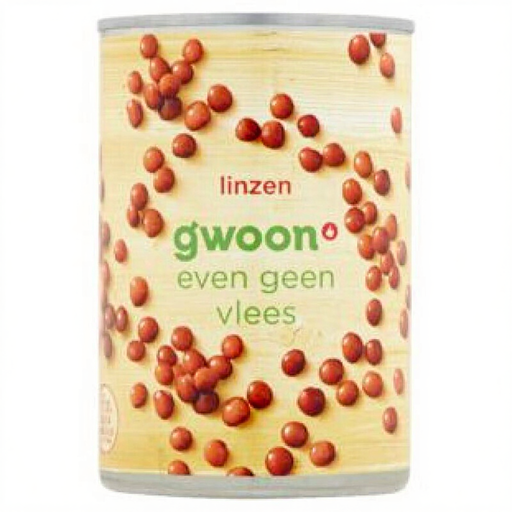
Why This Fits Their Persona: For those with a busy schedule, convenience is key. These ready-to-eat lentils can be added directly from the can to a salad, soup, or wrap. No soaking or cooking time needed.
This product sidesteps the pitfall of dried beans that go unused due to lack of time. It provides an instant, nutritious base for any meal.
Ready-to-eat and versatile. A source of plant-based protein (5.1g/100g) and fibre, with no artificial additives.
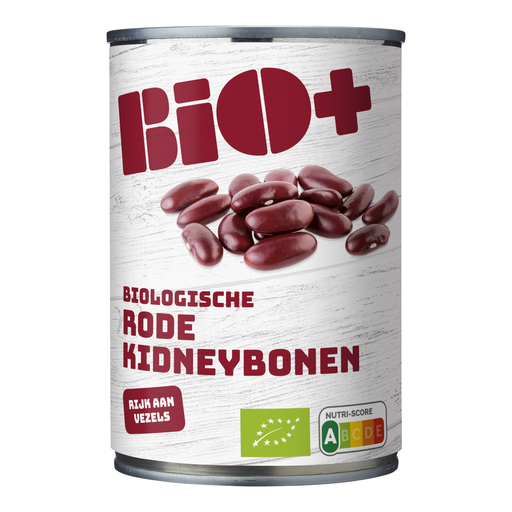
Why This Fits Their Persona: This consumer is looking for organic legumes with the shortest possible ingredient list. These kidney beans fit the bill: they are organic and contain no unnecessary additives.
This product avoids the pitfall of hidden additives. The ingredient list is transparent: organic kidney beans and water. The salt content is extremely low at 0.01g per 100g.
Certified organic and a pure composition. Rich in protein (7g/100g) and fibre, contributing to a nutritious meal.
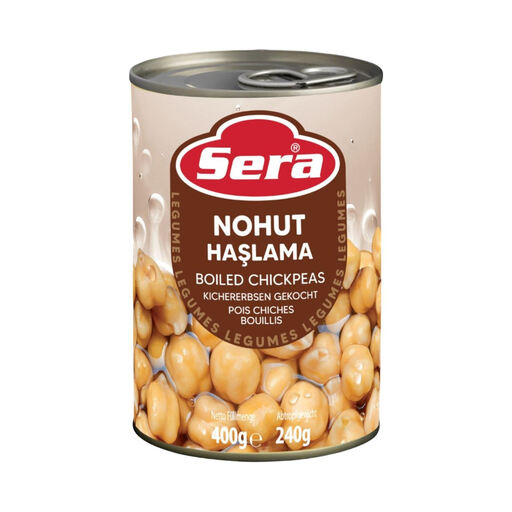
Why This Fits Their Persona: These Turkish chickpeas are a perfect base for those who love to experiment with global cuisine. They are ideal for making authentic hummus, stews, or Middle Eastern salads.
Instead of paying for a vague 'exotic' marketing claim, this product offers a specific, high-quality base for authentic dishes. You know exactly what you're getting.
The chickpeas have a firm texture and a mild, nutty flavour. They are ready-to-eat, which significantly reduces the prep time for complex dishes.
We have compiled a complete, up-to-date list of products that meet these selection criteria and comply with Dutch regulations.
Most dried beans, such as kidney beans, black beans, and chickpeas, require a soaking time of 6 to 8 hours, or overnight, in plenty of cold water. This not only shortens the cooking time but also makes them easier to digest. Smaller legumes like lentils and split peas generally do not need to be soaked.
No, the difference is minor. Both canned and dried beans are an excellent source of fibre and plant-based protein. The main difference is the sodium content; canned beans often contain more salt. By rinsing canned beans thoroughly under the tap, you can reduce the salt content by about 40%.
Once opened, it's best to remove the leftover legumes from the can. Store them in an airtight container in the refrigerator. They will stay good for about 2 to 3 days. The metal of the can may react with the contents after opening, which can affect the taste.
