
Vandaag of morgen in huis

Kwaliteit gegarandeerd

Welkomstaanbiedingen ontgrendelen: GRATIS bezorging | Tot 80% korting | Gratis 30 dagen JoyPlus-proefperiode
Download de app
Buying legumes may seem straightforward, but the difference between dried, canned and frozen products determines how much preparation, storage space and cooking time you need. Packaging claims such as “high in protein”, “traditional” or “extra fine” also do not tell you everything about a product’s practical use.
For families, vegetarians and vegans, chickpeas, garden peas, split peas, broad beans, edamame and soybeans are versatile ingredients. They work well in salads, soups, hummus, stews and side dishes. Use these checkpoints to compare products based on verifiable information rather than marketing language.
A 5 kg bag may appear attractively priced, but dried legumes require storage space and preparation. They often need to be soaked and cooked before they are ready to use. For a household that only occasionally makes hummus or soup, smaller packs or canned legumes may be more practical.
Larger packs make the most sense for families who cook regularly or for food-service businesses. Always check the price per kilogram, not just the price of the pack.
Canned chickpeas are usually already cooked, but they often still need to be drained and rinsed. Frozen products may also be precooked, but must be heated according to the instructions on the pack. Dried legumes are not ready to eat and require a longer preparation time.
Always check:
For some international products, nutritional information online may be limited or presented differently. The packaging is the authoritative source for ingredients, allergens, shelf life and preparation instructions. Do not rely solely on a generic product title or a brand claim.
Dried legumes such as whole or peeled broad beans and dried chickpeas generally have a long shelf life when stored in a cool, dry, airtight place. They are ideal for pantry storage and larger cooking sessions, but require planning.
Canned legumes are convenient when you want to prepare a meal quickly. Check the salt content and drained weight. A 400 g can does not necessarily contain 400 g of drained chickpeas. After opening, many products must be refrigerated and used within the specified period.
Frozen vegetables such as garden peas and edamame take up space in the freezer, but can be prepared quickly. Maintain the cold chain: store them at the temperature stated on the packaging and do not refreeze a thawed product.
Always compare nutritional values per 100 grams. This prevents a large serving suggestion on the front of the pack from creating a misleading impression. Values also vary significantly depending on the product format. Dried legumes often contain more nutrients per 100 grams than cooked products because they absorb water during cooking.
Examples from the product information:
These figures come from the product information provided. Always check the current label before purchasing.
Soybeans and edamame naturally contain soy, an allergen that must be clearly stated on the label. According to the product information, some dried legumes may contain traces of gluten. In canned chickpeas, water and salt may be the main additional ingredients, while other varieties contain oil, herbs or flavourings.
If you are looking for a short ingredients list, compare products labelled, for example, “100% chickpeas” or “100% green split peas”. This does not automatically mean that a product is suitable for every allergy: also check warnings about cross-contamination.
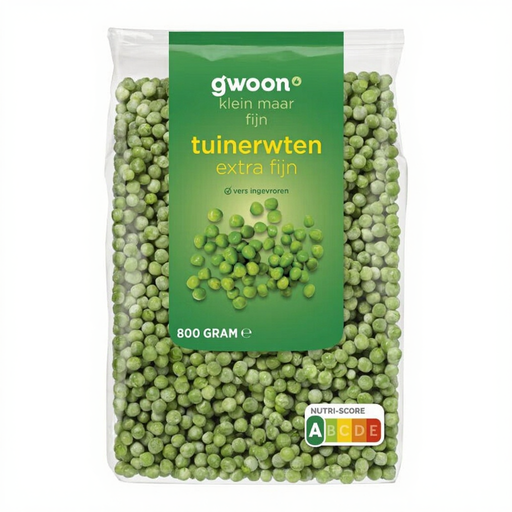
Why it fits: A generous bag of frozen garden peas for families who regularly prepare pasta, mashed potato dishes, soup or a vegetable side.
The ingredients list mentions only garden peas and the pack contains 800 g. The information provided gives no indication of added sugar.
800 g of frozen product, 5.5 g of fibre per 100 g according to the product information, and easy portioning.
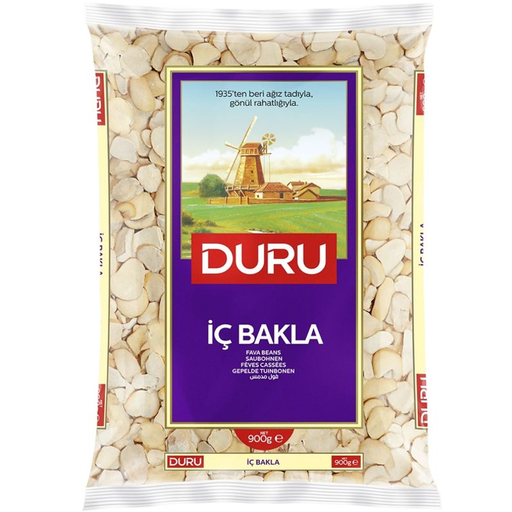
Why it fits: Peeled Turkish legumes for dishes where a smooth texture matters, such as purées, soups or Middle Eastern stews.
The product format is clearly stated as peeled and dried. Do allow time for soaking and cooking; this is not a ready-to-use product.
900 g pack with, according to the product information, 23.1 g of protein and 21.8 g of fibre per 100 g.
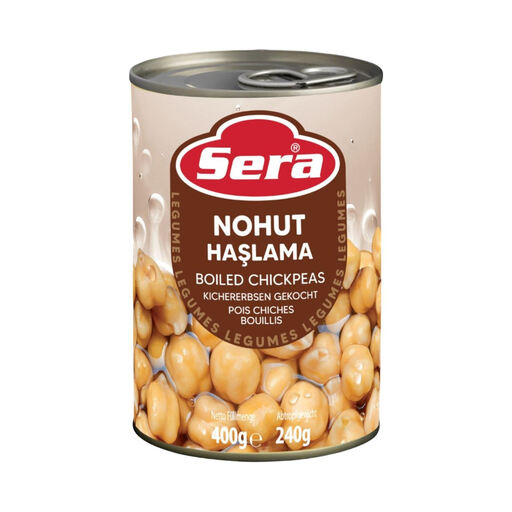
Why it fits: Cooked chickpeas for hummus, couscous, salads and curries when soaking and cooking do not fit into your schedule.
The cooked format makes preparation time predictable. Still, check the ingredients, as the information provided lists water, oil and salt among them.
400 g, ready to use and described as suitable for hummus, soups, salads and stews.
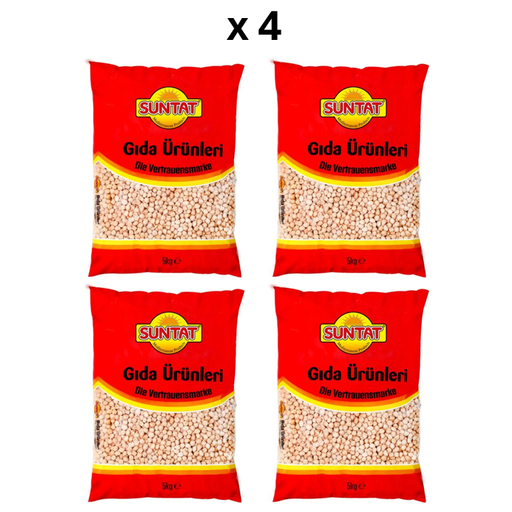
Why it fits: A large-format option for professional kitchens or households that regularly prepare hummus, salads, soups and stews.
The large format is practical only if you have sufficient storage space and use it regularly. Plan ahead for soaking, cooking and portioning.
A large stock pack designed for frequent use and multiple preparation methods.
Browse a current selection of products and compare pack format, preparation method and product information to suit your meal planning.
Cooked canned chickpeas and precooked frozen products usually require the least preparation. Edamame still needs brief heating according to the product information. Dried chickpeas, broad beans and split peas take longer.
That depends on the price per kilogram, drained weight and preparation method. Compare the net quantity and factor in cooking time, energy use and potential waste. Despite a higher price per kilogram, a can may offer better value when time is more important.
Store dried products in a cool, dry, airtight place. Unopened cans belong in a dry pantry, away from heat and direct sunlight. Frozen products should remain frozen until use. After opening or thawing, always follow the instructions on the current label.
