
Same-day & Next-day Delivery

Quality Guaranteed

Unlock Your Welcome Offers: FREE Delivery | Up to 80% OFF | Free 30-day JoyPlus trial
Download the APP
Korean tteokbokki consists of soft, chewy rice cakes in a spicy sauce. This dish has become popular thanks to Korean street food, K-dramas and social media. However, it can be tricky to pick the right version online. Products often look similar, yet taste, portion size, preparation method and allergens can vary significantly.
As a Joybuy Product Recommendation Officer, I’ve filtered the most important product information for you. This way, you can quickly see which Korean rice cakes suit your mealtime, budget and dietary preferences.
A packet labelled hot, spicy or chili gives you a general idea, but there’s no standardised European scale. One spicy tteokbokki may be mostly sweet gochujang sauce, while another uses chili, pepper or a more intense spice blend. If you’re not used to heat, you could end up with a meal that’s too fiery.
Look beyond the name and check the ingredients. Search for red pepper, chili, gochujang, paprika or oleoresin capsicum. A sweet and spicy tteokbokki often also contains sugar, syrup or ketchup.
A tteokbokki cup is handy for the office, a student room or a quick snack. However, the portions in this category range from around 115 to 145 grams. A larger pack, such as a rabokki with rice cakes and noodles, can be more filling than a small cup.
Always check the net weight and see whether it contains only rice cakes, or also ramen/noodles. The term instant tteokbokki mainly describes the convenience of preparation, not the quantity.
“Halal”, vegetarian or allergen-free claims shouldn’t be taken from a product photo alone. Recipes and packaging can change. Before you buy and eat, always check the current ingredients list and any certification on the packaging.
Also look out for common allergens such as wheat, gluten, soya, milk, fish and sesame. For example, the Sempio Instant Tteokbokki Hot & Spicy lists wheat, gluten and soya in its product information. The Yopokki Garlic Teriyaki Topokki mentions soya and fish as allergens.
There are three practical formats:
Read the instructions about water quantity, microwave power and cooking time. The Yopokki Sweet and Spicy Topokki, for example, asks for 20 ml of water and around 1 to 1.5 minutes in a 1000-watt microwave. A different appliance may need a longer or shorter time.
Choose based on the flavour you’re after:
The description “carbonara” refers to a flavour style. According to the ingredients information, this may contain milk, cheese, soya or wheat. So always check the current allergen declaration.
Compare nutritional values per 100 grams and not just per pack. Products with rice cakes are relatively high in carbohydrates. The amount of sugar and salt varies by sauce. Sempio Instant Tteokbokki Sweet & Spicy, for example, lists 227 kcal and 1.5 grams of salt per 100 grams. The exact values for your purchase will be on the label.
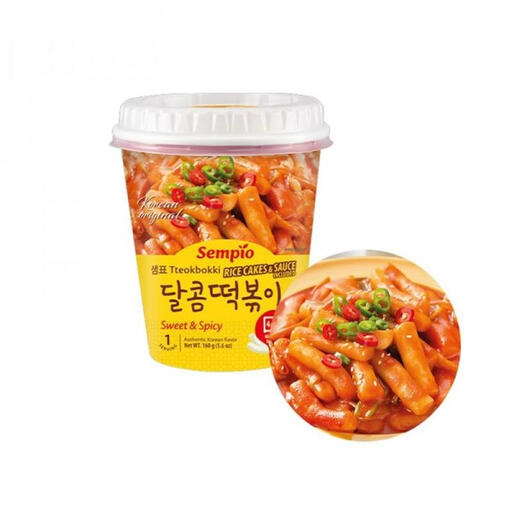
Why this fits: An accessible portion for anyone trying Korean rice cakes for the first time or wanting to stock their cupboard.
The 160-gram weight makes comparing with small cups easier than relying on the packaging alone.
Product information states 227 kcal and 1.5 g salt per 100 g; contains soya and gluten.
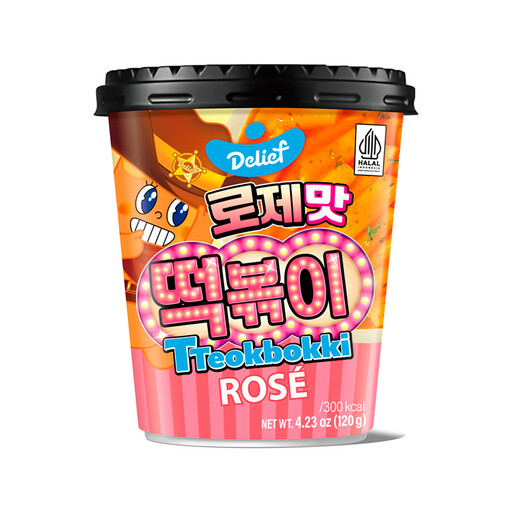
Why this fits: The rosé sauce combines rice cakes with a softer, creamier flavour profile and suits a quick break at home or in the office.
The product information explicitly lists milk, wheat and soya, so you don’t have to rely on the name “rose” alone.
Cup format of 120 g and a product description that lists this item as halal.
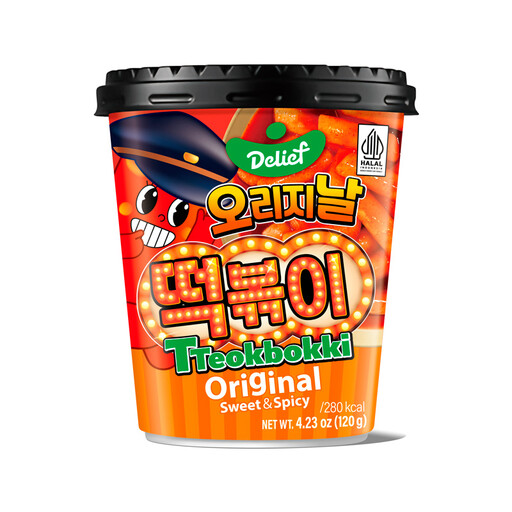
Why this fits: A practical choice for anyone looking for a classic sweet and spicy tteokbokki in cup form who values the halal label.
The product page states halal and shows the full sauce and rice cake ingredients; check the current packaging before purchase.
120 g portion, classic flavour direction and clear allergen information for gluten and soya.
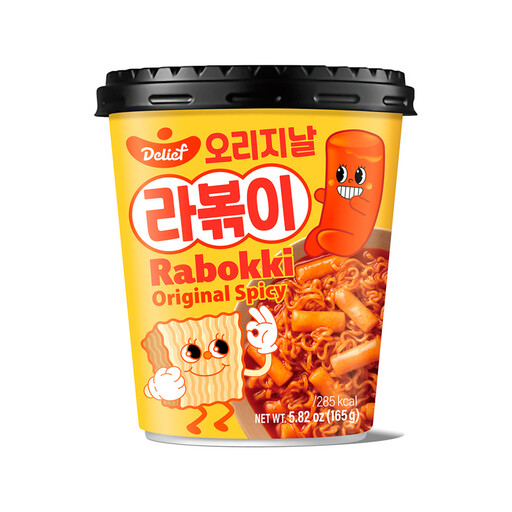
Why this fits: Rabokki combines Korean rice cakes with noodles, making it suitable for a more substantial quick meal.
The combination of rice cakes and noodles makes the difference from a standard tteokbokki clear.
165 g content and a sweet-spicy sauce; contains wheat and soya according to the product information.
Browse a current selection of Korean rice cake products and compare flavour, format, preparation and dietary preferences based on the available product information.
Usually, you put the rice cakes and sauce in the cup or pack, add the stated amount of water and heat everything in the microwave. Cooking times vary by product and microwave power. Stir well after heating and take small bites, as the rice cakes can be firm and chewy.
Check the best-before date on the packaging. Store unopened products in a cool, dry place away from direct sunlight. Do not use a pack if it is damaged. After opening, follow the instructions on the label; some products need to be refrigerated, while others are intended for immediate consumption.
This varies by product. Some versions state halal, while other sauces contain fish, milk, chicken flavour, soya or wheat. A kimchi tteokbokki or carbonara tteokbokki is therefore not automatically vegetarian. Always check the current ingredients list, allergens and any halal certification on the packaging before you order or eat.
