
Vandaag of morgen in huis

Kwaliteit gegarandeerd

Welkomstaanbiedingen ontgrendelen: GRATIS bezorging | Tot 80% korting | Gratis 30 dagen JoyPlus-proefperiode
Download de app
Korean snacks are now easy to order online. However, they vary greatly in flavour, preparation, allergens and shelf life. A bag of Korean crisps is ready to eat straight away, whereas Korean tteokbokki may be chilled or frozen and needs to be prepared at home. If you only look at the eye-catching packaging or the words “extra spicy”, you could end up choosing a product that doesn’t suit your situation.
Spiciness isn’t indicated in a standard way. A product labelled “hot”, “spicy” or “sweet & spicy” could have a mild chilli warmth or a pronounced sauce. With Korean rice cakes, the amount of red pepper paste and seasoning mix largely determines the flavour. So check the ingredients and, if in doubt, choose a small pack, such as a cup of 115 or 120 grams.
Korean instant snacks can sometimes look like ready-to-eat crisps, but tteokbokki usually needs to be heated with water and sauce. Other products, such as corndogs, are delivered frozen and require preparation according to the label. Before ordering, check:
Many snacks contain wheat, soya, sesame, shellfish or celery. What’s more, a halal claim only applies when it is clearly stated on that specific product. Always read the allergen information on the product page and on the packaging. The packaging is the deciding factor if the online details differ.
A bag of Korean crisps weighing 40 to 75 grams is mainly intended as a snack. A cup of rice cakes or a combination of ramyun and tteokbokki can be used more as a quick meal. The net weight helps you compare prices fairly. A multipack can be practical for students, households or a film night, but it’s less handy if you want to try different flavours first.
Tteokbokki is all about the chewy, firm texture of the rice cakes. Products with sauce in a cup are simple to prepare, while a larger pack gives you more scope to add vegetables, egg or other ingredients. According to the product description, Sempio Instant Tteokbokki contains rice cake sticks with a sweet and spicy sauce. Yopokki offers cups with kimchi flavour and combinations of rice cakes and ramen, among others.
Bear in mind that rice cakes taste best when eaten straight after preparation. Store an opened pack according to the recommended advice and use the best-before date on the label.
Don’t just compare calories – also look at salt, fat, sugar and allergens per 100 grams. For example, Nongshim Shrimp Cracker Hot contains wheat, prawn and soya according to the product information. The Nongshim Shrimp Meat Flavour Chip also lists wheat, prawn and soya. These products are therefore not suitable for people who need to avoid these ingredients.
For frozen products, the storage temperature is important. According to the product information, Rengi Korean Chicken Corndogs are stored frozen and contain gluten, soya and celery, among other things. Do not refreeze them once they have been defrosted. Always check the preparation instructions on the packaging.
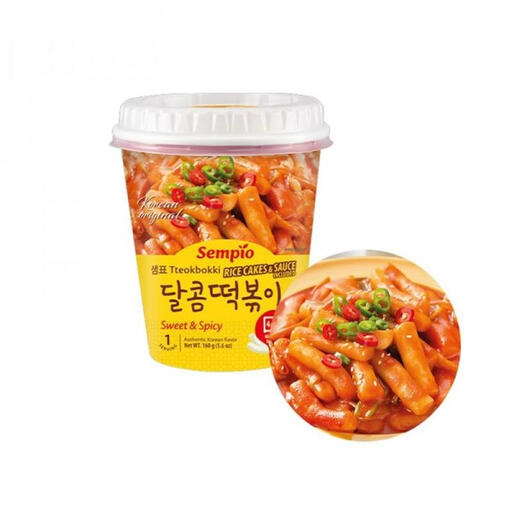
Why this fits the profile: A compact pack for anyone wanting to try Korean tteokbokki without buying a large quantity straight away. The sweet and spicy flavour is ideal for a first taste of Korean rice cakes.
The product description clearly states the flavour and contents. However, do check the preparation method, allergens and best-before date on the packaging.
160 grams of rice cakes, sweet and spicy sauce, and preparation as a quick snack or small meal.
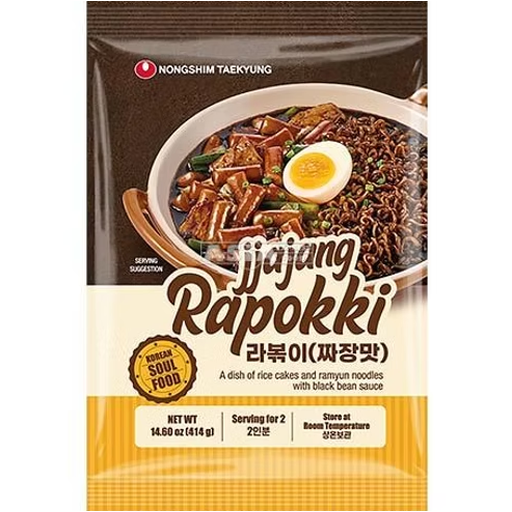
Why this fits the profile: This combination is ideal for fans of a hearty Korean instant meal featuring both ramyun and chewy topokki with a savoury jjajang sauce.
The contents are clearly described: rice cakes, ramyun and jjajang sauce. Before buying, check the listed allergens, including wheat and soya, and the chilled storage requirement.
414 grams, two well-known Korean meal components and a savoury black bean sauce.
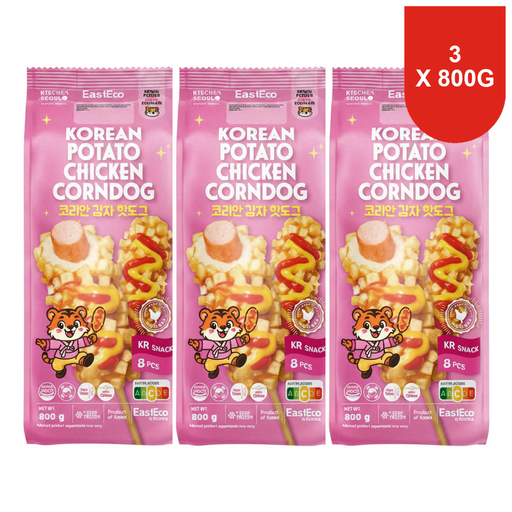
Why this fits the profile: A bulk pack for households, gatherings or enthusiasts who want to prepare Korean corndogs more often.
The packaging states the quantity and frozen condition. This makes it clear that it’s not a ready-to-eat snack and that you’ll need freezer space.
Bulk pack with chicken sausage, potato and 24 corndogs of 100 grams each.
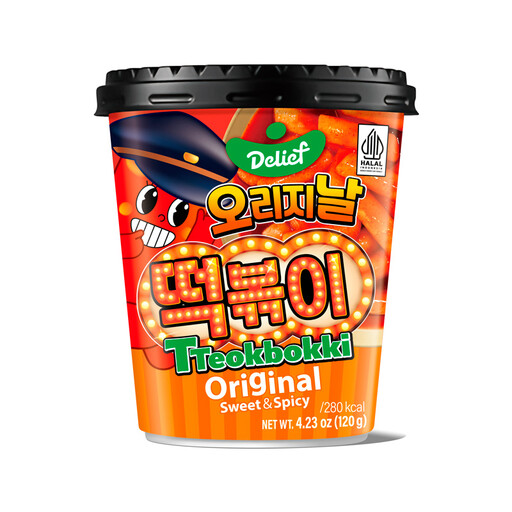
Why this fits the profile: The product description mentions halal and a sweet and spicy flavour. This makes the cup appealing for anyone specifically looking for halal Korean snacks.
The halal claim is stated on this specific product. Still check the current label and full ingredients list before buying.
120g cup, rice cakes, original sweet and spicy flavour and halal claim in the product information.
We’ve put together a full, up-to-date list of products that fully meet these strict selection criteria and comply with current European safety regulations.
Start with a mild or sweet and spicy tteokbokki cup, Korean seaweed snacks or plain rice cakes. These products show you different textures and flavours without having to buy a large pack straight away. If you like seafood, you could try a Nongshim Shrimp Cracker; just be aware of the presence of prawn, wheat and soya.
Follow the instructions on the packaging. With many cups, you add water and heat everything in the microwave or using another specified method. Stir the sauce well so that the rice cakes are evenly coated. Use a pan if the label says so, and be careful with hot sauce and steam.
Unopened dry snacks generally keep until the date on the packaging, provided they are stored in a cool, dry place. Frozen products must remain frozen until preparation. Once opened, crisps and seaweed can lose their crunchy texture more quickly. So seal the pack properly and always follow the manufacturer’s storage and usage instructions.
