
Vandaag of morgen in huis

Kwaliteit gegarandeerd

Welkomstaanbiedingen ontgrendelen: GRATIS bezorging | Tot 80% korting | Gratis 30 dagen JoyPlus-proefperiode
Download de app
Korean seaweed, or gim, has evolved from a niche product in Asian supermarkets to a mainstream snack and kitchen staple in many households. Whether you enjoy it as a crispy snack, sprinkle it over rice, or use it to make gimbap, the selection is vast. But this abundance also presents pitfalls: paying too much for a bag of air, a "healthy" snack loaded with salt and oil, or buying the wrong type for your recipe.
As a Joybuy Product Recommendation Officer, I'm here to help you see through the marketing jargon. This guide focuses on the practical details, so you'll know exactly what to look for when buying Korean seaweed.
Before you fill your shopping cart, it's wise to be aware of these common missteps.
To make the right choice, focus on two simple but crucial specifications.
Korean seaweed products primarily come in two forms, each with a distinct purpose:
The flavor of Korean seaweed is determined by the oil and seasonings used.
Below are several products that suit different user profiles, based on their specifications.
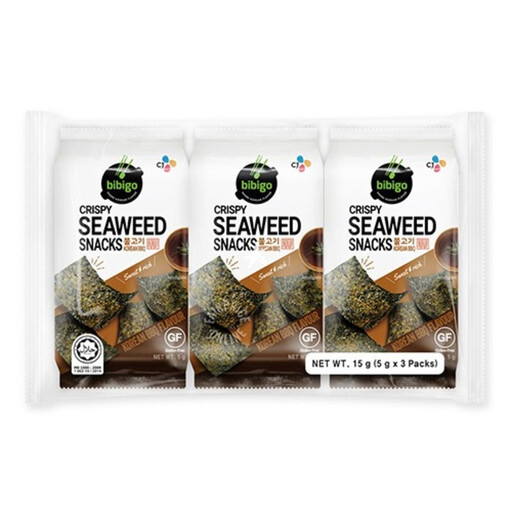
Why This Fits Their Persona: Ideal for anyone looking for a savory, light snack for on-the-go or with lunch. The individual packs are convenient, and the bulgogi flavor offers a tasty alternative to traditional chips.
The package contains 3 clearly measured 5-gram servings. This way, you know exactly what you're getting and won't fall for the "bag of air" trap.
Convenient portion packs; strong, authentic flavor from a renowned Korean brand (Bibigo).
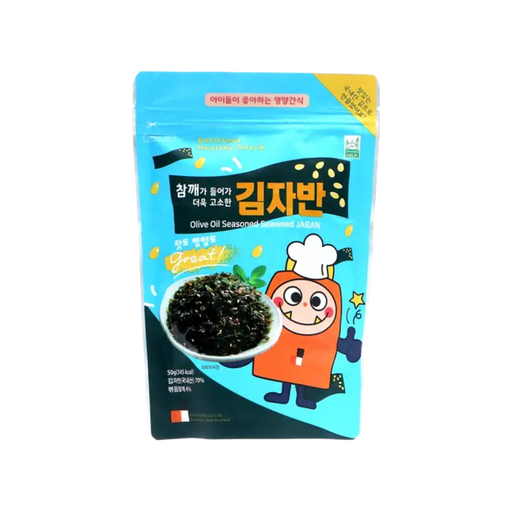
Why This Fits Their Persona: Perfect for those who make Korean dishes at home, like bibimbap or rice balls (jumeok-bap). This gimjaban (seaweed flakes) is specifically designed as a topping and provides the right texture and flavor.
This product prevents the mistake of buying and crumbling snack sheets. It is the correct product type (flakes) for cooking, which yields a better, more authentic result.
Versatile for topping rice, noodles, and salads; the resealable packaging helps maintain freshness.
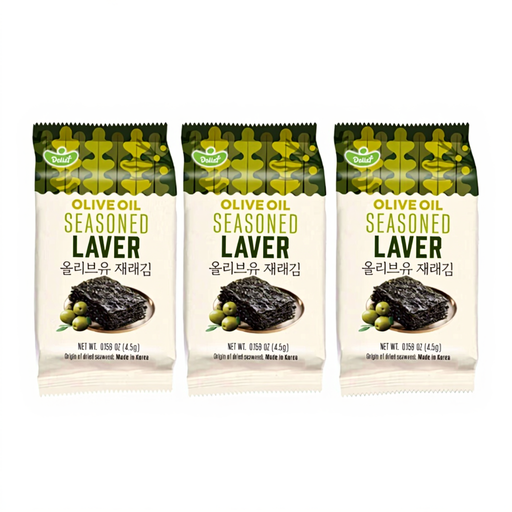
Why This Fits Their Persona: For those seeking a product with a short, clear ingredient list and specific dietary needs. This product is explicitly halal-certified and uses simple seasoning.
The ingredient list is short: seaweed, canola oil, and salt. This avoids the pitfall of hidden sugars or complex seasoning mixes. Transparent and simple.
HALAL certification; simple and pure ingredients, making it a predictable and reliable choice.
We have compiled a complete, up-to-date list of products that fully meet these strict selection criteria and local regulations.
In practice, the terms are often used interchangeably, but gim is the Korean name for edible seaweed (usually of the Porphyra species), while nori is the Japanese name. The products are similar: thin, roasted sheets. If you are specifically looking for Korean products, search for 'gim'.
To maintain their crispiness, it's important to store opened seaweed snacks in an airtight container. Fold the bag tightly and use a clip, or place the remaining sheets in an airtight container or resealable bag. Store them in a cool, dry place, away from direct sunlight. The small silica gel packet often found inside the packaging helps absorb moisture, so don't throw it away immediately.
Dried seaweed itself is low in calories and a source of minerals like iodine and iron, so it can certainly be a healthy snack choice. However, its health value largely depends on the preparation. Seasoned varieties can contain a lot of salt and oil. A good rule of thumb is to check the nutrition facts panel on the packaging to see if it fits within your dietary goals.
