
Vandaag of morgen in huis

Kwaliteit gegarandeerd

Welkomstaanbiedingen ontgrendelen: GRATIS bezorging | Tot 80% korting | Gratis 30 dagen JoyPlus-proefperiode
Download de app
When you search for Korean products online, you’ll quickly come across a huge range of instant noodles, snacks, sauces, kimchi and skincare items. That’s convenient, but it also makes comparing them more difficult. A striking packet doesn’t tell you much about the taste, portion size, allergens or how to store the product.
With this practical guide, you’ll first focus on the information that really matters. Then you can make a targeted choice from Korean food, Korean snacks, Korean noodles, tteokbokki, kimchi, Korean sauces, Korean dumplings, Korean fried chicken, Korean drinks and Korean skincare.
K-pop themes, bright colours and well-known brand names catch your eye. However, they don’t automatically tell you how spicy, sweet, salty or creamy a product tastes. A packet labelled “hot” or “spicy” might be pleasantly tangy for one person and far too strong for another.
So look at the product description, ingredients and nutritional information. For example, Samyang Buldak Carbonara states that it’s a spicy noodle variant with a creamy carbonara flavour. With Yopokki, the variants are more clearly separated into options such as cheese and “hot and spicy”.
Korean products often contain wheat, gluten, soya, milk, celery or sesame. Kimchi can also include ingredients from fish or shellfish. So always check the label on the packet, even if the online information suggests the product is suitable for a particular diet.
The information on a website can change or differ from the packet you receive. The product listings therefore also advise you to read the current label, warnings and preparation instructions before use.
A frozen product needs to stay cold from storage through to preparation. A shelf-stable product should usually be kept dry and out of direct sunlight. Also pay attention to the difference between a ready-to-eat snack and a basic ingredient.
For example, rice cakes for tteokbokki aren’t a complete meal without sauce and extra ingredients. A frozen product like gyoza or Korean fried chicken requires a clear cooking method and temperature.
First, decide what you’re buying the product for:
Then check the instructions. According to the product description, bibigo Beef Bulgogi Gyoza takes about seven minutes to prepare: in a pan or deep-fried. Nongshim Shin Ramyun needs around four to five minutes of boiling with 500 ml of water. That difference is practically important when you’re short on time.
A low price per packet can be misleading if the contents are small. So compare weight, number of portions and price per 100 grams. A multipack of Samyang Buldak Carbonara contains five packets of 130 grams. Nongshim Shin Ramyun is offered as 20 packets of 120 grams. That suits households that eat Korean noodles regularly better than someone who only wants to try one flavour.
For a first taste, smaller packs like Yopokki Tteokbokki at 120 grams or Kimnori seaweed in three sachets of 4 grams can be more manageable.
Pay particular attention to:
The same principle applies to Korean skincare: look at the ingredients list, the contents of the packet and the usage instructions. According to the product description of Dr. Althea 345 Relief Cream, the formula includes niacinamide, ceramides, hyaluronic acid and tea tree leaf water. Brand descriptions about soothing, suitability for the skin or clinical tests should be treated as information from the brand; they are not a guarantee of your personal experience. Stop using it if irritation occurs and follow the instructions on the packet.
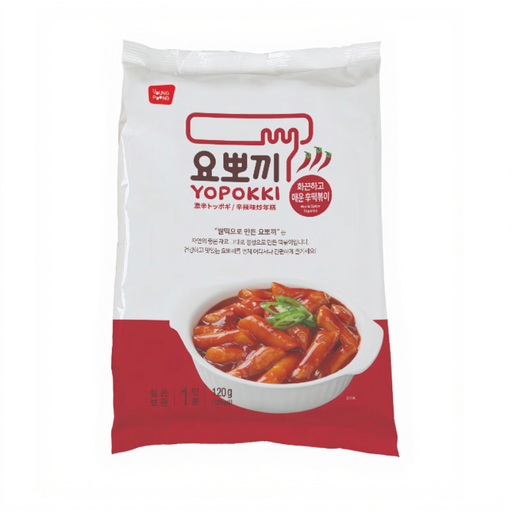
Why this suits the profile: A compact portion to try tteokbokki at home without immediately buying a large stock of rice cakes and sauce.
The flavour variant and net weight are clearly stated. Do check beforehand whether the spiciness suits you.
120 g per pack, suitable as a quick snack or small meal; according to the product information, free from the 14 main EU allergens.

Why this suits the profile: For home cooks who want one versatile staple product to use in marinades, stir-fries, dips and sauces.
The 500 g packet makes the quantity clear. Check the soya, wheat and salt content before ordering.
Suitable for multiple cooking methods; according to the product information, a red pepper paste with 11% chilli powder.
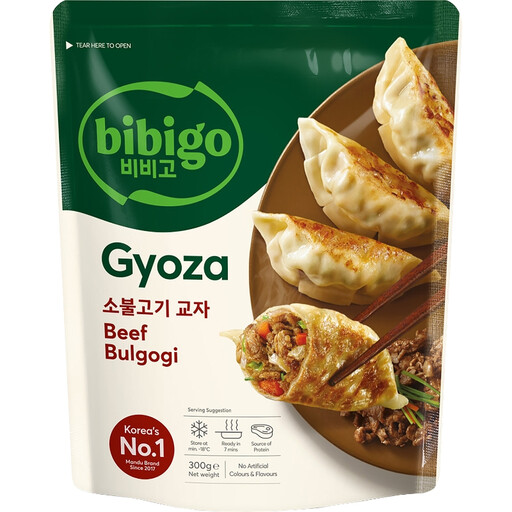
Why this suits the profile: For those who want to serve Korean dumplings as a snack, side dish or part of a more elaborate Korean dinner.
The cooking methods and time indications are concrete: pan preparation takes about seven minutes; deep-frying is done at around 180 °C.
300 g frozen product with beef bulgogi flavour; suitable for pan or deep-fryer, depending on your kitchen.
We’ve put together a full, up-to-date list of products that fully meet these strict selection criteria and comply with current European safety regulations.
Start with a small portion of tteokbokki, mild Korean snacks, Choco Pie or a muscat-flavoured drink. If you want to try something spicy, first check the ingredients and nutritional information before buying a large multipack.
Always follow the instructions on the label. Frozen products such as gyoza, kimchi-jjigae and Korean fried chicken should stay frozen until preparation. Sauces, instant noodles and crisps are generally stored in a cool, dry place. After opening, seal the packet tightly and look out for any additional instructions.
Not automatically. Many Korean noodles contain wheat and soya; some variants also contain milk or celery. Korean snacks can additionally contain milk, egg, gelatine or traces of nuts. So always check the current ingredients list and allergen information on the packet.
