
Vandaag of morgen in huis

Kwaliteit gegarandeerd

Welkomstaanbiedingen ontgrendelen: GRATIS bezorging | Tot 80% korting | Gratis 30 dagen JoyPlus-proefperiode
Download de app
Korean noodles come in many varieties: from quick instant noodles in a cup to thick udon, soba noodles with buckwheat, and noodles for jjajangmyeon. The packaging can sometimes look straightforward, but differences in ingredients, preparation and portion size determine whether a product really suits your meal.
If you only go by a striking flavour name or a large packet, you may run into three common pitfalls:
For soup, you need noodles that hold their structure in liquid. Korean udon noodles are thick, soft and elastic, and they suit broth, stir-fries and hotpot. Fresh varieties are often ready in one to two minutes.
For jjajangmyeon, special jjajangmyeon noodles are a logical choice. These wheat noodles are designed to carry a hearty black bean paste sauce. According to the product information, Wang Jjajang Noodles contain wheat flour, salt and water.
Thin noodles, such as somen, are suitable for light soups, cold dishes and simple stir-fries. Japanese soba noodles contain buckwheat, but always check the percentage: Wang Japanese Soba Noodles lists 3% buckwheat and 90.5% wheat flour. So that's not a noodle made entirely from buckwheat.
Also check the preparation instructions. "Ready in a few minutes" can mean you need to boil water, drain the noodles or mix a sauce separately.
Most wheat noodles contain gluten. With soba, buckwheat is also present; that doesn't mean the product is gluten-free. Also look out for soya, sesame, egg, milk, fish and shellfish.
According to the label, NongShim Big Bowl Tempura Udon Soup contains wheat and fish, including bonito extract. The seasoning also contains 2.9 grams of salt per 100 grams according to the stated nutritional information. That's relevant information when you add multiple portions or toppings.
If you eat vegetarian or vegan, you shouldn't just look at the noodle itself. Broth, sauce and toppings can contain fish extract, beef extract or other animal ingredients. For Colorful Manor Japanese Style Udon, the product information states that it is suitable for vegetarians and vegans, but always check the actual packaging yourself.
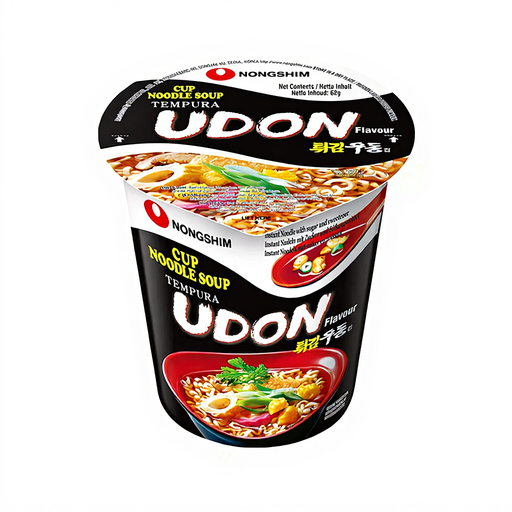
Why this suits the profile: The cup packaging is handy for a single quick meal in a student flat, at the office or at home without much preparation.
The preparation method is clear: just add hot water. Do check the allergens, as the product information lists wheat and soya; some flavours may also contain fish or other allergens.
Cup format of 62 g, preparation with hot water and produced in South Korea according to the product information.
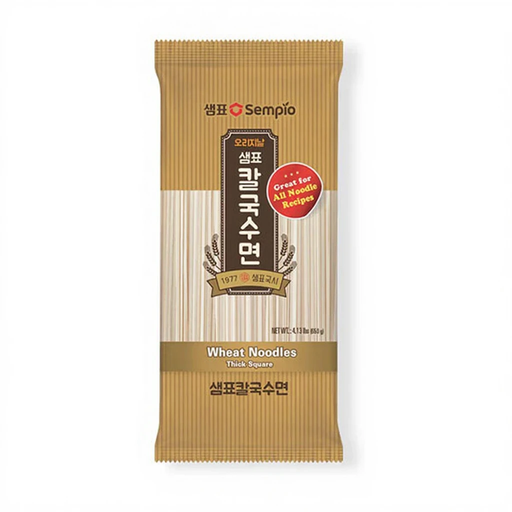
Why this suits the profile: The simple composition is ideal for home cooks who want to decide on their own broth, sauce and toppings.
The ingredients list states wheat flour, salt and water. There is no included seasoning that limits your recipe choices.
650 g pack and 98% wheat flour according to the product information; suitable for soup, stir-fry and sauces.
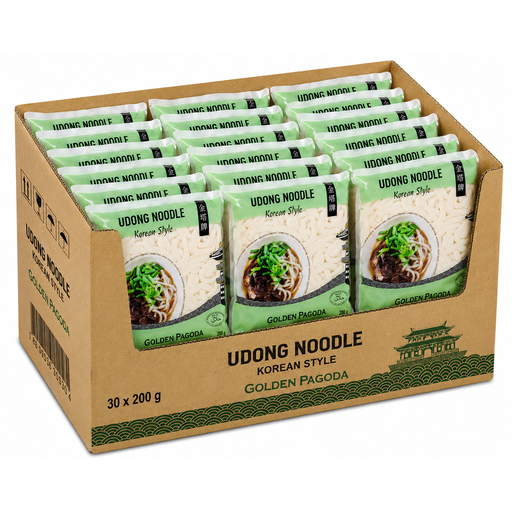
Why this suits the profile: The bulk pack with 30 portions is practical for catering, meal prepping or a household where noodles are often on the menu.
The portions are individually packed at 200 g each. This means you don't have to open the entire bulk pack at once.
Thick, smooth noodles; cooking time of one to two minutes; suitable for soup, stir-fry and hotpot. Origin: China.
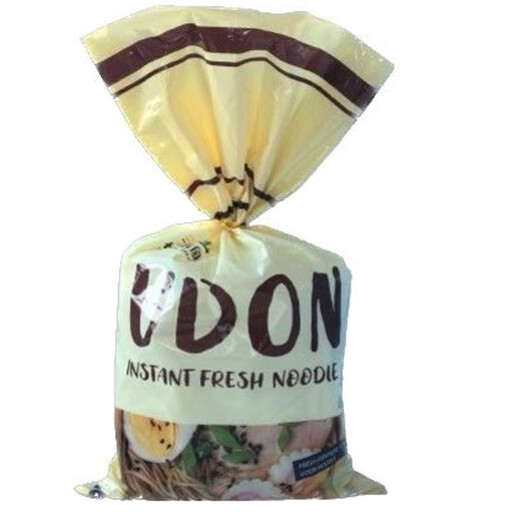
Why this suits the profile: The product information states that this udon is suitable for vegetarians and vegans. You can add your own plant-based broth or stir-fry sauce.
There is no ready-made fish or meat broth included. The listed ingredients are wheat flour, water and salt; check the label at purchase for any changes.
Three individually packed portions totalling 600 g, suitable for soup, stir-frying and hotpot.
We've put together a full, up-to-date list of products that fully meet these strict selection criteria and comply with current European safety regulations.
Thick udon and firm wheat noodles are suitable for stir-fry dishes because they absorb sauces well. Cook dried noodles according to the packet and rinse them briefly if needed before adding them to the pan. Fresh udon noodles can often be added directly after cooking for one to two minutes.
This varies by flavour and brand. A noodle cup can contain soya, fish, beef extract, milk or shellfish. So look at both the ingredients list and the allergen information. A neutral udon without a seasoning packet gives you more control over a plant-based preparation, but always check the current label there too.
Store dry, unopened noodles in a cool, dry place, away from sunlight, heat and moisture. Once opened, the packaging must be sealed well. Fresh noodles often have a different storage method and a shorter shelf life; follow the instructions on the packet for these. Do not use any product where the packaging is damaged.
