
Vandaag of morgen in huis

Kwaliteit gegarandeerd

Welkomstaanbiedingen ontgrendelen: GRATIS bezorging | Tot 80% korting | Gratis 30 dagen JoyPlus-proefperiode
Download de app
Buying Korean food might seem straightforward: pick an eye-catching packet, add it to your basket and try a new flavour. However, there are a few things Dutch shoppers often only notice after delivery. Think of a spicy sauce that doesn't suit your taste, allergens you've overlooked, or a bulk pack whose contents turn out to be less practical than expected.
With this buying guide, you can compare Korean snacks, Korean noodles, rice cakes and drinks using verifiable product information. That way, you'll find a product that fits your dietary preferences, budget and when you plan to eat it.
Words like "spicy", "carbonara" or "original" give you an idea of the flavour, but they don't always tell you how much heat or salt a product contains. So check the ingredients and nutritional values. For example, Nongshim Shin Ramyun lists 5.6 grams of salt per serving. That's useful information if you eat Korean ramen regularly.
With tteokbokki, the sauce also varies a lot depending on the variant. A jjajang sauce is based on black bean flavour and is generally quite different from a sweet and spicy sauce with red pepper.
A product with a halal label isn't automatically vegan. Likewise, "vegan" doesn't mean the product is free from gluten or soya. Always check the full ingredients list and allergen information on the product page and the packaging.
The Delief and Young Poong products in this guide are listed as halal. Some variants also mention soya, wheat, gluten, milk or fish as allergens. Check the actual packaging before eating, especially if you have an allergy or dietary requirement.
A set of five ramen packs or a 600g bag of rice cakes can work out cheaper per portion, but only if you use the product in time. Pay attention to the net weight, best-before date and storage instructions. Ambient products usually need to be stored in a cool, dry place, away from sunlight and moisture.
Once opened, rice cakes or tteokbokki may have different storage instructions. So always follow the guidance on the label.
For a quick meal, cup variants are practical. The Delief Tteokbokki Cup Jjajang HALAL 120g is prepared with about 140–160 ml of boiling water and has a waiting time of 3–4 minutes. The Young Poong Yopokki cups can, depending on the variant, be prepared in the microwave. Check the exact instructions on each pack.
For Korean ramen, you'll usually need a pan and more water. According to the product information, Nongshim Shin Ramyun uses 500 ml of water and a cooking time of about 4–5 minutes. Samyang Buldak Creamy Carbonara comes in a set of five packs with brief cooking instructions, but contains gluten, soya and milk.
Don't just compare the price of a pack; also look at the amount per cup, pouch or bag. A 120g or 140g cup is handy for one quick meal. A 300g or 600g bag of Korean rice cakes is more suitable if you want to add your own sauce.
For tteokbokki, you can choose ready-to-eat cups, or combine loose Korean rice cakes with gochujang, vegetables and other ingredients. Loose rice cakes give you more control over the portion and sauce, but require extra preparation.
When ordering Korean snacks online, be sure to check:
As for brand claims about flavour or product performance: according to the product description from the brand or seller, a product has a certain flavour, preparation method or certification. Treat such information as product details and check the label when it arrives.
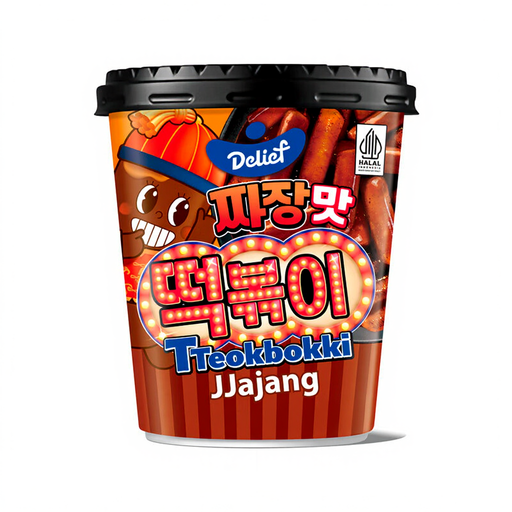
Why this fits the profile: A 120g cup portion is ideal for trying tteokbokki without buying a large pack straight away. The jjajang sauce offers an alternative to red, spicy sauces.
The preparation quantity and waiting time are clearly stated. The ingredients list mentions soya, gluten and fish, among others, so you can check this information before buying.
Halal listed, 120g, ready with boiling water in around 3–4 minutes and includes nutritional information per serving.

Why this fits the profile: The box of 20 packs is ideal for Korean ramen lovers who want to keep a regular stock for quick meals.
The product information lists preparation time, ingredients, allergens and salt content. This means you can compare flavour, pack size and nutritional information in advance.
20 packs of 120g, preparation in around 4–5 minutes and the option to add egg, vegetables or meat.
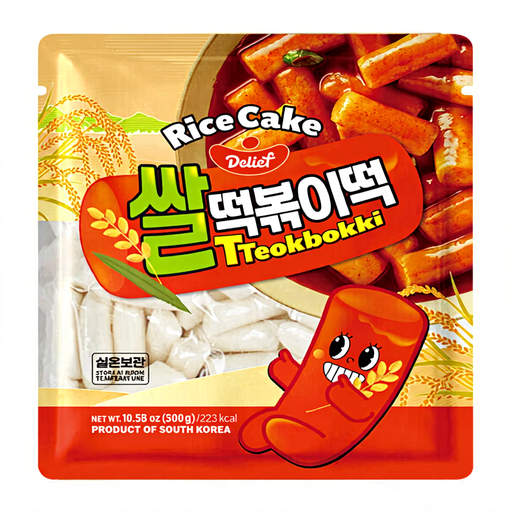
Why this fits the profile: These loose Korean rice cakes are ideal for anyone who wants to make their own tteokbokki and control the sauce, quantity and additions.
You're not tied to one ready-made sauce. With gochujang or other ingredients, you can adjust the flavour and spiciness. The packaging states 300g and the storage conditions.
Made with 99% rice flour according to the product information, 300g content and suitable as a base for homemade tteokbokki.
We've put together a full, up-to-date list of products that fully meet these strict selection criteria and comply with current European safety regulations.
If you'd rather try small bites, you can choose Bibigo seaweed snacks with sesame or LOTTE Pepero Chocolate Bar. With these Korean snacks, watch out for sesame, milk, soya and gluten. For a portable option, konjac jelly pouches are practical. Jelly B Konjac Jelly Mango 150 ml is listed as halal and gluten-free; the Delief Lychee variant is listed as halal and vegan.
Korean drinks such as Cantabile Pomegranate Ade, Watermelon Ade, Pineapple Ade and Strawberry Ade are ready to drink. They come in 230 ml portions and are, according to the product information, non-alcoholic. With fruit drinks, be sure to check the sugar content. The pomegranate variant, for example, lists 12.2 grams of sugar per 100 ml.
Check that halal is clearly stated on the product and also look at the ingredients list. Pay attention to allergens such as soya, wheat, milk and fish. Product information can change, so use the packaging as your final check.
Cup noodles and instant ramen are practical when you have little preparation time. Look at the preparation: some cups only need boiling water, while Nongshim Shin Ramyun is prepared in a pan with about 500 ml of water. Also check the spiciness and salt content.
Store unopened products in a cool, dry place, away from sunlight, heat and moisture. After opening, additional instructions may apply, such as refrigerated storage. Always follow the date and instructions on the packaging.
