
Vandaag of morgen in huis

Kwaliteit gegarandeerd

Welkomstaanbiedingen ontgrendelen: GRATIS bezorging | Tot 80% korting | Gratis 30 dagen JoyPlus-proefperiode
Download de app
A konjac jelly might seem simple at first glance: a soft fruit snack in a handy pouch. Yet products vary widely in nutritional values, sweeteners, portion size, and suitability for a vegan or keto diet. If you only look at “low calorie” or an appealing fruit flavour, you could end up choosing a product that doesn’t match your expectations.
A packet may be labelled sugar-free jelly, while still containing carbohydrates or sweeteners. Always check the full nutritional information table. Some products, for example, state 0 grams of sugar but still have 1 gram of carbohydrates per 100 grams. Other varieties contain erythritol, sucralose or acesulfame-K.
For a keto snack or low-carb diet, the total amount of carbohydrates per portion is what really matters. Also check whether the nutritional values are given per 100 grams or per pouch.
Lychee, mango, peach and grape sound like fruity choices, but the proportion of fruit juice varies from product to product. Some jellies use a concentrate or flavouring, while others contain a clearly stated percentage of fruit juice. So always check the ingredients list before you buy a fruit jelly.
With some products, collagen refers to collagen peptides. Other varieties use the term “vegan collagen” for a plant-based ingredient, such as carrot. That is not the same as animal-derived collagen. According to the manufacturer’s product information, you should therefore always check the ingredients list if eating vegan is important to you.
Claims about extra benefits from vitamins or collagen should not be assessed separately from the product label. The presence of an ingredient alone says nothing about a personal health effect.
A pouch of 120 to 155 grams can have very different nutritional values from a 100-gram serving. The range includes, for example, Hethstia varieties with approximately 3 to 7 kcal per 100 grams according to the product information, depending on the flavour and product specification. The Hethstia Konjac Jelly Lychee is listed with 7 kcal per pouch and 0 grams of sugar.
So compare:
A product with more calories isn’t automatically unsuitable. It might, for example, contain more fruit juice or be intended as a larger dessert portion.
If you’re looking for a gluten-free snack, vegan konjac jelly or vegetarian snack, it’s wise to check the label for each variety. “No allergens declared” is not the same as a personal guarantee for every allergy. If in doubt, always check the actual packaging and warnings.
Also look out for:
The Jelly B Konjac Jelly Mango lists konjac powder, concentrated mango juice and sweeteners, among other ingredients. This Korean jelly is therefore a different choice from a Hethstia variety with erythritol and an explicit sugar-free positioning.
A jelly pouch is especially practical when you’re looking for a snack on the go. Individual sachets are light, take up little space and can be consumed straight away. Do check how the product should be stored after opening.
For several Hethstia products, the instructions say: store in a cool, dry place; after opening, keep refrigerated and consume within two days. Other products advise sealing the packaging well after opening. Always follow the instructions on the product you receive.
A pouch is not a substitute for a full meal. Think of konjac jelly as a small snack, light treat or fruity addition to a mealtime.
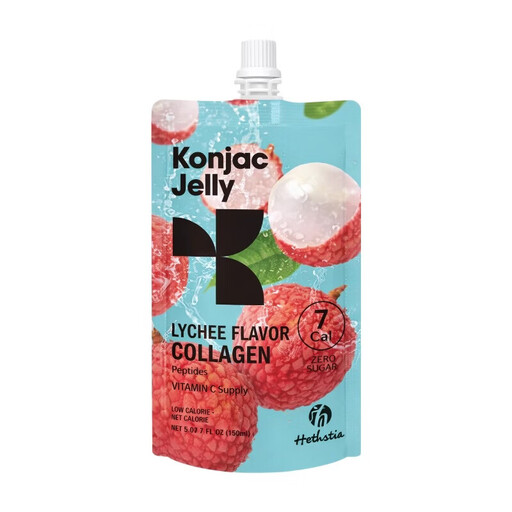
Why this fits the profile: A single pouch is practical for trying one fruit flavour first without buying a multipack straight away. The lychee flavour suits anyone looking for a light, sweet snack on the go.
The product information states 0 grams of sugar, the ingredients and a nutritional value of 7 kcal per pouch. Do check the actual label upon delivery.
Individual pouch of 150 grams according to the nutritional information, with lychee concentrate, erythritol and konjac flour.
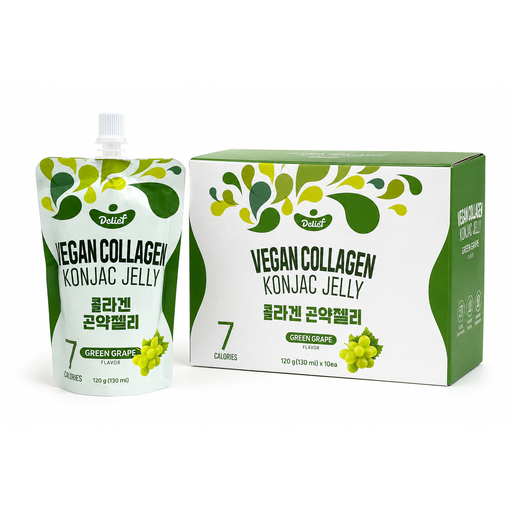
Why this fits the profile: The multipack is ideal for anyone who wants a regular snack supply and pays close attention to plant-based ingredients.
The product information states the vegan variety and lists ingredients, allergens and nutritional values per 100 grams. The term “vegan collagen” should be understood as a plant-based ingredient, not animal-derived collagen.
Ten individual portions, green grape flavour and, according to the label provided, 5 kcal and 0 grams of sugar per 100 grams.
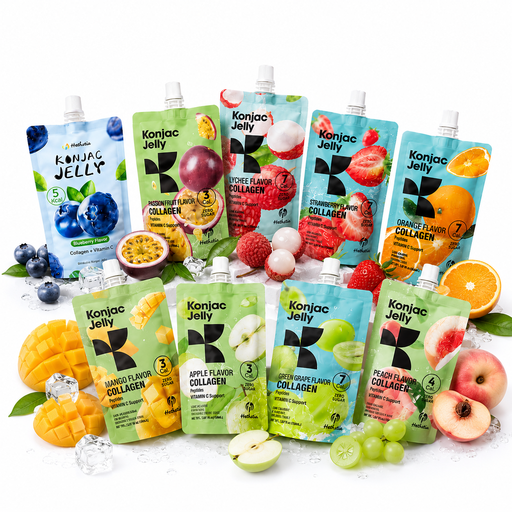
Why this fits the profile: A multi-flavour set is handy for households, workplaces or users who don’t want to order the same fruit variety every time.
The assortment pack reduces the risk of buying a large quantity of one flavour you might not like. Check the ingredients and nutritional values for each flavour.
Eight pouches of 155 grams according to the product name, with multiple fruit flavours and individual packaging for use on the go.
We’ve put together a full, up-to-date list of products that fully meet these strict selection criteria and comply with current European safety regulations.
That depends on the variety. Several products in the range list approximately 3 to 7 kcal per 100 grams, but other jellies contain more sugar or carbohydrates. Always check the nutritional values for the full pouch.
No. A product can be low in calories yet still contain carbohydrates or sugar. Only choose a keto snack when the ingredients and nutritional information table fit within your own carbohydrate limit.
Store unopened products according to the instructions on the packaging, usually in a cool, dry place. After opening, several Hethstia varieties need to be refrigerated and consumed within two days. Always check the best-before date, storage conditions and packaging before using the jelly snack.
