
Vandaag of morgen in huis

Kwaliteit gegarandeerd

Welkomstaanbiedingen ontgrendelen: GRATIS bezorging | Tot 80% korting | Gratis 30 dagen JoyPlus-proefperiode
Download de app
A good roll of kitchen paper should do what you buy it for: absorb moisture, not tear straight away, and tear off easily. Yet with some packs, you’re mainly paying for a large number of rolls or flashy marketing claims. For households and families, the difference in cost per use can therefore be greater than the shelf price suggests.
When buying kitchen paper, watch out for these common pitfalls:
For spilled coffee, water or oil, you want absorbent kitchen paper that holds enough moisture. So look at the structure and the number of plies. An embossed texture can help absorb moisture, while multiple plies can offer more strength.
Product descriptions like “super absorbent” or “water-locking” are brand or seller claims. Don’t take them as a guaranteed performance. Instead, check the concrete information, such as:
A large sheet is handy for a big spill, but for small cleaning jobs a compact sheet can reduce waste.
A strong kitchen roll is practical when cleaning the worktop, hob or table. Two- or three-ply paper can offer more grip than a thin single-ply roll. However, a higher number of plies doesn’t automatically mean each product is better suited to your use.
For intensive cleaning, extra-large sheets or a maxi roll are often handy. Nalys Blitz, for example, has 100 extra-large sheets and a three-ply version according to the product description. The sheets are described as 60% larger than standard kitchen paper. Always check the packaging on delivery for the current usage instructions.
If you use kitchen paper regularly, a bulk pack of kitchen paper can mean you order less often. When comparing, don’t just look at the price per pack, but also:
Recycled kitchen paper can be interesting when you want to consider packaging materials and raw materials. The Nalys Moisture Catchers come in packaging with 80% recycled film. That percentage refers to the packaging and not automatically to the paper itself.
Bamboo kitchen paper is another option. Product descriptions from BABO mention, among other things, 2 plies, 120 sheets per roll and bamboo pulp. Claims such as compostable, biodegradable or suitable for food contact should always be checked on the packaging and the current product information.
For everyday wiping, use a standard kitchen roll with a suitable number of sheets. A jumbo kitchen roll can make more sense if you clean often or have little storage space for individual rolls. The Selpak Kitchen Paper Jumbo 1x6 contains approximately 300 sheets according to the product specifications, with a sheet size of around 260 × 228 mm. The description also mentions perforations and suitability for food contact.
For oil, sauce and stubborn dirt, thicker or multi-ply varieties are practical. For occasional accidents, a compact pack may be sufficient. For households that want to use less disposable paper, reusable cleaning cloths are an alternative for some dry cleaning tasks. They don’t automatically replace kitchen paper for food residue, raw ingredients or heavily soiled surfaces.
Please note: kitchen paper and kitchen roll belong in general waste, unless your local waste guide says otherwise. Do not flush kitchen paper down the toilet.
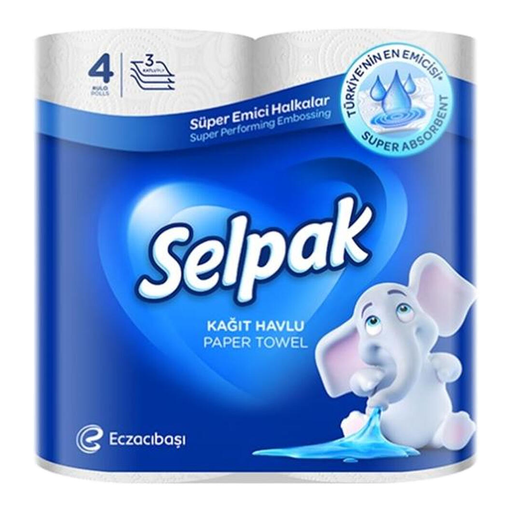
Why this fits the profile: A straightforward pack of four rolls for everyday wiping, cooking and small cleaning jobs.
The number of rolls is clearly stated. Also compare the price with the number of sheets and the ply thickness on the packaging.
Four rolls; suitable for hands, cooking and household cleaning according to the product description.
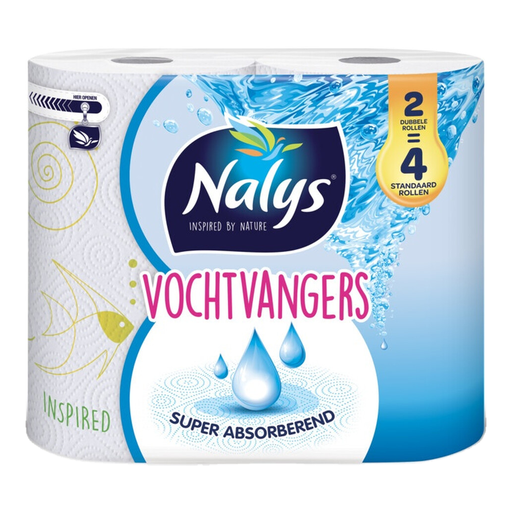
Why this fits the profile: The double rolls and extra-large sheets are practical for households that often clean up moisture or spilled liquids.
The product information mentions extra-long rolls and less packaging material. Check the actual sheet size and content when comparing.
2 double rolls; extra-large sheets; packaging with 80% recycled film according to the product specifications.
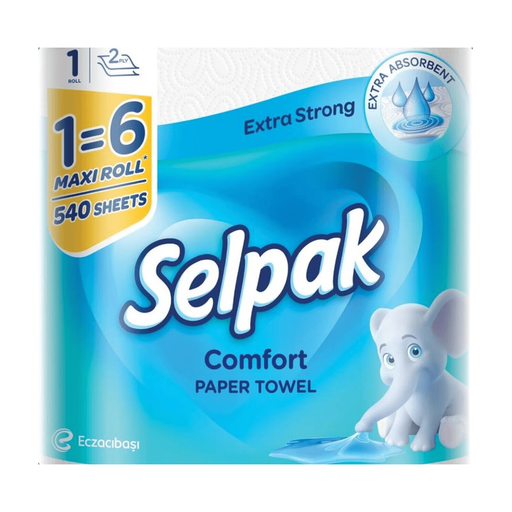
Why this fits the profile: A jumbo format suits families, cooking enthusiasts and households that use a lot of kitchen paper.
The equivalent of six standard rolls and the estimated number of sheets are stated. This allows you to compare more effectively than by roll price alone.
Approximately 300 perforated sheets; sheet size around 260 × 228 mm; suitable for food contact according to the product information.
We’ve put together a full, up-to-date list of products that fully meet these strict selection criteria and current European safety regulations.
Kitchen paper is intended for surfaces, hands and absorbing moisture. Toilet paper is designed to break down in water. Choose a bulk pack of toilet paper when you want to stock up for the toilet, but check the flushing instructions for thick varieties.
The C&S 4-Ply 120g Toilet Paper contains 27 rolls. According to the product information, it is recommended to flush small amounts at a time due to the thickness, to prevent blockages. Also with Nicky Elite Quilted 3-ply, one to two sheets at a time is recommended. Always follow the instructions on the packaging, especially with a septic tank system.
Kitchen paper generally doesn’t have a short shelf life like fresh products. Store rolls dry, clean and away from moisture. Check the packaging for any best-before or usage information.
Not automatically. Calculate the price per sheet or per 100 sheets and also compare the ply thickness, sheet size and number of rolls. A bulk pack is mainly worthwhile if you have enough dry storage space and use the product regularly.
No, do not use kitchen paper as toilet paper. It is not designed to break down in the same way and can cause blockages. Dispose of used kitchen paper according to your local waste rules.
