
Vandaag of morgen in huis

Kwaliteit gegarandeerd

Welkomstaanbiedingen ontgrendelen: GRATIS bezorging | Tot 80% korting | Gratis 30 dagen JoyPlus-proefperiode
Download de app
A good kitchen knife should primarily suit the way you cook. Yet many shoppers first look at a well-known brand name, a striking design, or a claim about long-lasting sharpness. As a result, a knife sometimes ends up in the kitchen that feels uncomfortable to hold, is difficult to maintain, or turns out not to be dishwasher-safe.
With this buying guide, you can compare kitchen knives on type, blade length, material, handle and maintenance. That way, you can make a practical choice for everyday use, hobby cooking, or a busy professional kitchen.
A large knife set may look appealing, but not every household uses a boning knife, a cleaver, or multiple utility knives. For everyday cooking, a chef's knife, bread knife and paring knife are often sufficient. So check the contents before you choose a knife set.
A knife can be sharp out of the box, but its lifespan also depends on the steel, the grind angle, how you use it, and how you clean it. Claims like "extra sharp" or "stays sharp for a long time" are no guarantee for every kitchen. According to information from some brands, certain knives are sharpened using specific techniques; always assess the verifiable specifications as well.
Stainless steel knives with a plastic handle are sometimes suitable for the dishwasher. However, heat, moisture and contact with other items can dull the edge more quickly. Wooden handles and certain special steels require extra care. Hand washing and drying immediately are generally the more cautious maintenance choice.
A chef's knife of 16 to 20 cm is suitable for vegetables, herbs, meat and fish. A 20 cm blade offers more cutting surface, while 16 cm can be more manoeuvrable in a smaller workspace.
A santoku knife of around 17 cm usually has a wider, relatively straight blade. This works well for finely chopping and dicing vegetables, fish and meat. According to the product description, the dimples on the blade can help prevent ingredients from sticking.
For bread, a longer bread knife with a serrated blade is more practical. Models of around 23 to 34 cm can cut through hard crusts and soft interiors without squashing the bread too much. A steak knife, on the other hand, has a shorter, often serrated blade for meat and pizza at the table.
Stainless steel is popular because it resists stains and is suitable for everyday use. Don't just look at the term "stainless steel"; also check the care instructions. Some Wüsthof knives, for example, use X50CrMoV15 steel according to the product information.
Damascus steel can have a distinctive pattern and specific construction. That does not automatically mean every Damascus knife is dishwasher-safe. According to the product description, the Wüsthof Performer Santoku 17 cm is not suitable for the dishwasher and must be washed by hand.
An ergonomic handle should feel secure and comfortable. Pay attention to:
A knife that is well-balanced requires less correction while cutting. Always use a wooden or plastic chopping board. Glass, stone and metal can damage the edge more quickly.
The recommendations below are based on verifiable product data, such as blade length, material, contents of the packaging and care advice.
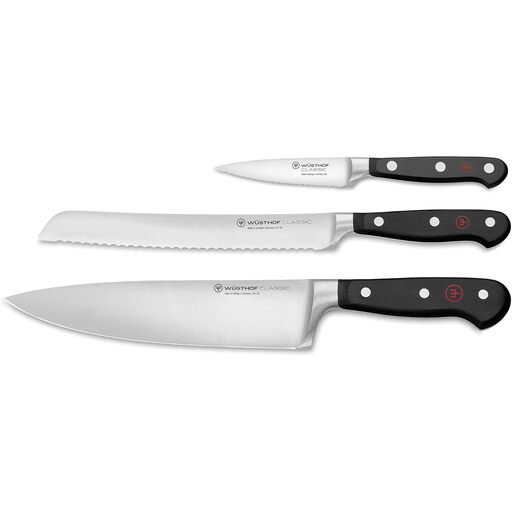
Why this fits the profile: This set includes a chef's knife, bread knife and paring knife, covering many everyday tasks in a household kitchen.
The three functions are clearly described, so you don't buy a large set with knives that might go unused. The knives have stainless steel blades and plastic handles.
3-piece set; dishwasher-safe according to the product description; suitable as a starter set.
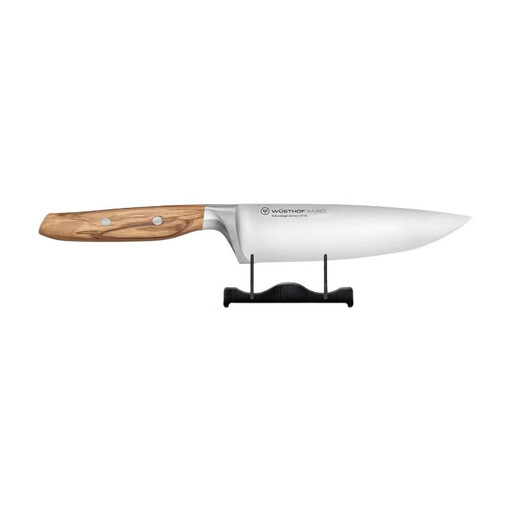
Why this fits the profile: A 20 cm chef's knife offers experienced home cooks and professional users a wide blade for slicing, chopping and moving ingredients.
The product information states X50CrMoV15 stainless steel, a 14-degree grind angle and a hardness of 58 HRC. The wooden handle does require hand washing.
20 cm blade; forged from one piece according to the product description; suitable for a wide range of cutting tasks.
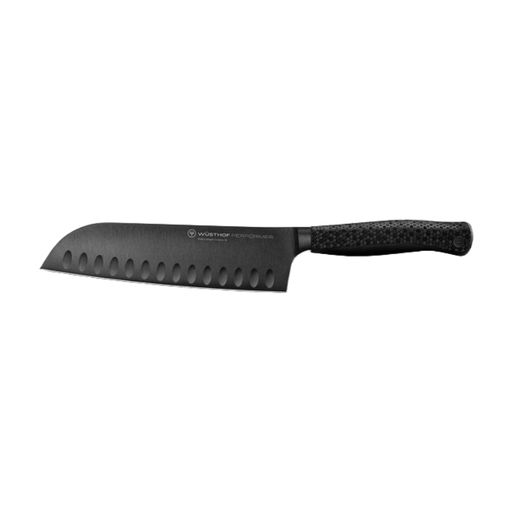
Why this fits the profile: This santoku knife is designed for finely chopping vegetables, meat, fish and other ingredients, with a compact 17 cm blade.
The maintenance limitation is clearly stated: this knife is not dishwasher-safe. That prevents a wrong purchase for anyone looking exclusively for dishwasher-safe knives.
17 cm blade; Damascus steel according to the product information; ergonomic plastic handle.
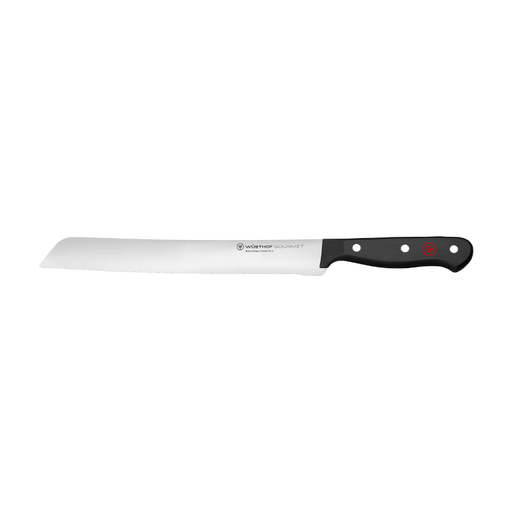
Why this fits the profile: The serrated blade is designed for bread and can be handy for households that cut hard crusts or soft rolls every day.
The serrated design makes it clear what this knife is for. The product description also mentions dishwasher safety, although hand washing can help extend its lifespan.
Serrated stainless steel blade; suitable for different types of bread; plastic handle.
Many kitchen knives are covered by the statutory minimum guarantee of two years in the EU. This does not cover damage from misuse or normal wear and tear. Keep your purchase information and check the specific terms and conditions of the seller.
We have put together a full, up-to-date list of products that fully meet these strict selection criteria and current European safety regulations.
Start with a chef's knife of 16 to 20 cm. Add a bread knife if you often buy or bake bread. A paring knife or small peeling knife is handy for fruit, herbs and small ingredients. A complete knife set is especially worthwhile when its contents match your cooking routine.
The lifespan depends on the steel, how you use it, your chopping board, maintenance and storage. A stainless steel knife can remain usable for a long time if you don't use it on hard surfaces and have the edge regularly touched up. Replace a knife when the blade is damaged or the handle is no longer securely attached.
They are practical for quick household use, but dishwasher safety does not mean maintenance is unnecessary. Always check the product information. Hand washing, drying immediately and storing separately generally help keep the blade and handle in good condition for longer.
