
Vandaag of morgen in huis

Kwaliteit gegarandeerd

Welkomstaanbiedingen ontgrendelen: GRATIS bezorging | Tot 80% korting | Gratis 30 dagen JoyPlus-proefperiode
Download de app
Whether you're a seasoned devotee of Korean cuisine or looking to try kimchi for the first time, finding the right jar or can can be a challenge. Shelves, both physical and virtual, are packed with options. But not all kimchi is created equal. Some choices lead to disappointment: a flavour that doesn't suit your palate, an unappealing texture, or an oversized jar you have to throw out after just a couple of uses.
Before you order kimchi, it's wise to understand a few common pitfalls:
To make a great choice that fits your needs, focus on a few concrete specifications. This will help you ignore the marketing jargon and select a product based on facts.
The ingredient list is your most important tool. Pay special attention to:
Kimchi is more than just napa cabbage. Look closely at the base ingredient:
The packaging isn't just a container; it says something about convenience and shelf life.
Below are a few options we've selected based on their specifications, matched to different user profiles.
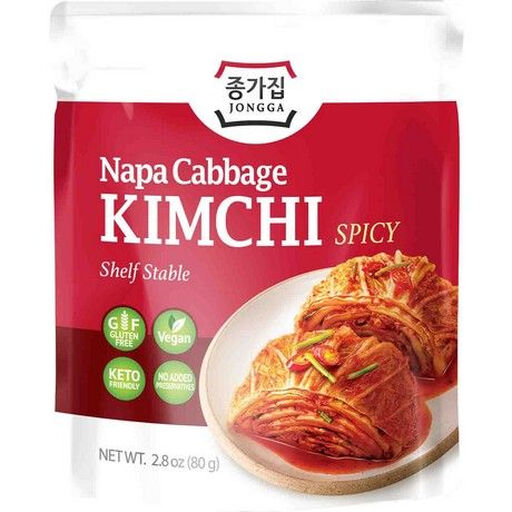
Why This Fits Their Persona: Perfect for those who want to try kimchi without committing to a large jar. Jongga is a well-known Korean brand, offering a reliable flavour experience for beginners. The 80g package is ideal for a single serving of noodles or rice.
This product bypasses the "too-large-package" pitfall. You won't waste money or food if the flavour isn't to your liking.
Portion Control: The 80g pouch is just enough for one meal. Accessible Brand: Jongga is an established name in the world of Korean kimchi.
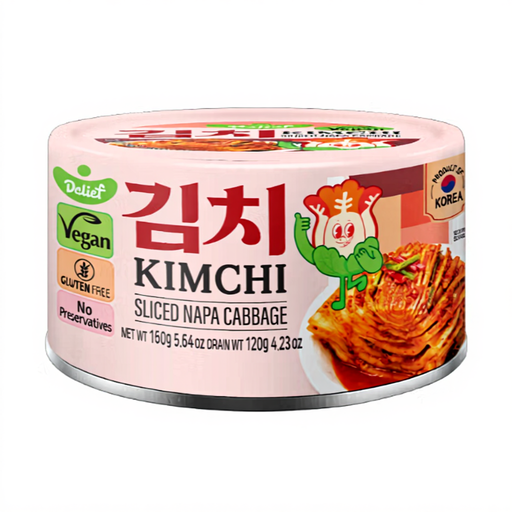
Why This Fits Their Persona: For those who always want a flavour enhancer on hand. This canned kimchi is long-lasting and doesn't require refrigeration. Ideal to keep in the pantry for a quick kimchi stew or fried rice.
This product is clearly positioned as shelf-stable kimchi. There's no confusion about freshness; it's made for convenience and a long storage life.
Long Shelf Life: Perfect for the pantry. Ready to Use: The cabbage is already cut, and the 160g portion is practical for many recipes.
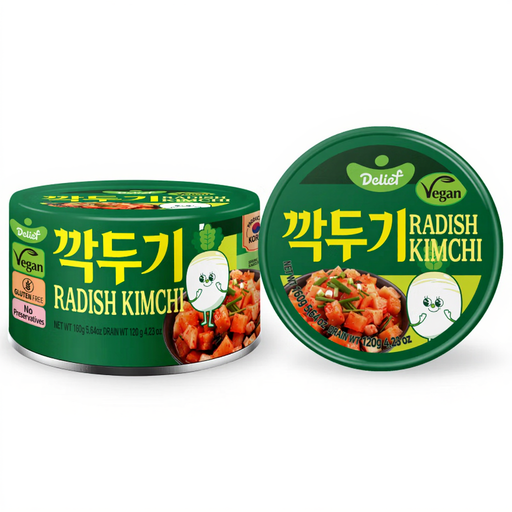
Why This Fits Their Persona: For the cook who is already familiar with standard kimchi and is looking for a different texture and flavour. This radish kimchi (kkakdugi) offers a delicious, crunchy alternative that is fantastic as a side dish or in stews.
This product breaks the "one-size-fits-all" pitfall by offering a clear variation on the standard napa cabbage kimchi.
Unique Texture: The radish cubes remain firm and crunchy. Versatile: Delicious as a refreshing side dish, but also sturdy enough to be cooked into a stew.
We have compiled a complete, up-to-date list of products that meet these selection criteria and current regulations.
They serve different purposes. Fresh kimchi from the refrigerated section has an active fermentation, which creates a complex, often more sour flavour that continues to develop. Shelf-stable kimchi is typically pasteurised, which stops the fermentation process. This results in a consistent flavour and a long shelf life, making it ideal for the pantry. The texture might be slightly softer, but it's an excellent and practical choice for cooking applications like stews or kimchi fried rice.
Always read the ingredient list on the packaging. Many traditional Korean kimchi recipes include fish sauce, shrimp paste, or other seafood for a deep umami flavour. If you want to avoid this, look for products that are explicitly labelled "vegan" or carefully check the ingredient list for animal-based additives. Brands like Sempio, for example, sometimes offer vegan options.
Kimchi is incredibly versatile. You can eat it straight from the package as a side dish (banchan) with rice, noodles, or grilled meat. It's also a fantastic flavouring agent in hot dishes. Popular kimchi recipes include kimchi pancakes (kimchijeon), kimchi stew (kimchi jjigae), and one of the simplest and most beloved dishes: kimchi fried rice (kimchi bokkeumbap).
