
Vandaag of morgen in huis

Kwaliteit gegarandeerd

Welkomstaanbiedingen ontgrendelen: GRATIS bezorging | Tot 80% korting | Gratis 30 dagen JoyPlus-proefperiode
Download de app
Buying jelly sweets may seem straightforward, but the range varies considerably. You’ll find soft gummies, jelly beans, fruit jelly, konjac jelly and sweets from countries including Türkiye and Korea. The difference isn’t just in the flavour. Ingredients, nutritional values, portion size and storage instructions also determine whether a product suits your needs.
Pay particular attention to these common pitfalls:
If you’re looking for vegan jelly, it’s worth checking more than just the front of the packaging. Gelatine, for example, is found in Red Band Dropfruit Duos, Amos Peelerz and Haribo Peaches. Beeswax may also be used as a glazing agent. A product can therefore be gluten-free without being vegan.
Konjac jelly is usually made from water, konjac powder and thickeners. The flavour may come from mango, lychee, peach or watermelon concentrate, as well as flavourings. If you have allergies, always check the current packaging. Product information may vary by flavour or import batch.
For a fair comparison, look at:
Jelly B Konjac Jelly Lychee, for example, lists 3 kcal per 100 millilitres and 0 grams of sugar per 100 millilitres. Jelly Bean Factory Jelly Beans, on the other hand, contains 375 kcal and 76 grams of sugar per 100 grams. These products are intended for different snacking occasions: a drinkable jelly compared with classic sweets for sharing.
A low energy value doesn’t automatically indicate anything about flavour, texture or whether a product is suitable for your diet. Use the nutrition table as a point of comparison, not as a health claim.
Jelly beans are firm on the outside and soft in the middle. Gummy sweets are generally more elastic and chewier. Konjac jelly has a smooth, soft texture and is often eaten chilled. Some packs can be resealed, while cups or small pouches are mainly intended for single use.
Also check the storage temperature. Many sweets should be stored in a cool, dry place, away from direct sunlight and sources of heat and moisture. Reseal the packaging properly after opening. Jele Double Jelly states that opened cups should be stored in the fridge and eaten within the specified period.
Supervision is important when young children are eating jelly cups and pouches. Jele Double Jelly, for example, states that the product is not suitable for children under three because of the risk of choking. Always follow the warnings on the packaging.
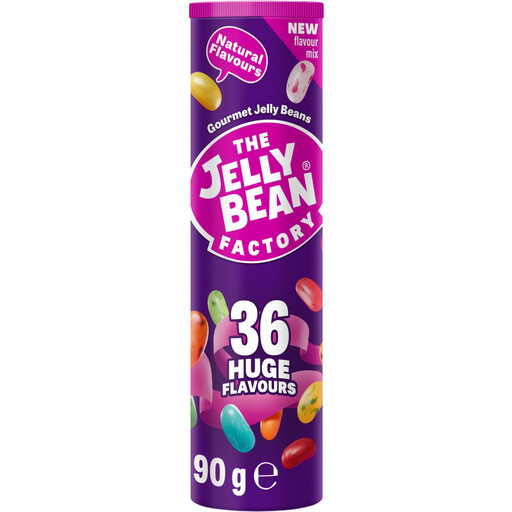
Why it suits this profile: A handy 36-flavour bag is ideal if you want to try jelly beans without immediately buying a large pack.
The product information clearly states that the jelly beans are gelatine-free and gluten-free. The resealable packaging helps prevent them from drying out and protects them from moisture.
36 flavours, natural colours and flavourings according to the product description, and 90 grams of sweets.
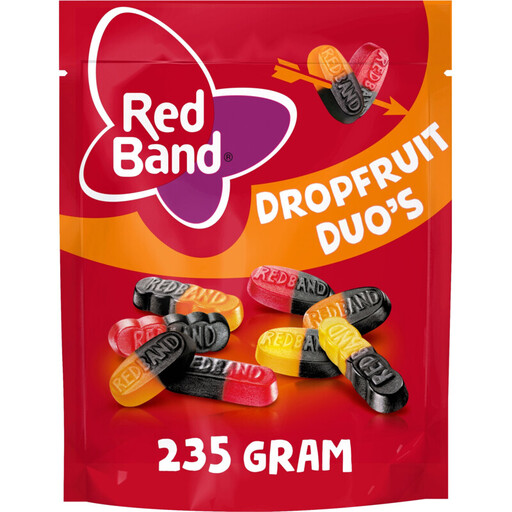
Why it suits this profile: This bag combines liquorice and fruit flavour in a single sweet. At 245 grams, it’s ideal for sharing or enjoying over several occasions.
The flavour combination is clearly described as liquorice and fruit. However, check the ingredients: this product contains gelatine and is therefore not vegan.
245 grams of sweets, a combination of two flavour profiles and resealable packaging according to the product information.
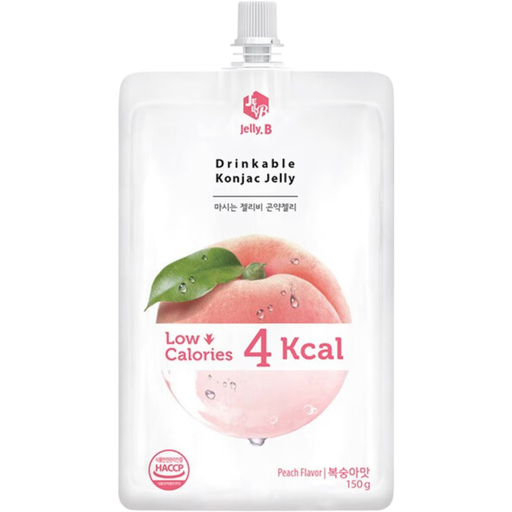
Why it suits this profile: The drinkable pouch is convenient for taking to work, travelling or any day when you want a compact snack to take with you.
The nutritional information lists 10 kcal, 5 grams of carbohydrates and 2 grams of sugar per 100 millilitres. This makes it easy to compare with regular gummies.
150 ml pouch, peach-and-pear-style fruit flavour according to the product information, and free from the 14 major EU allergens according to the label.
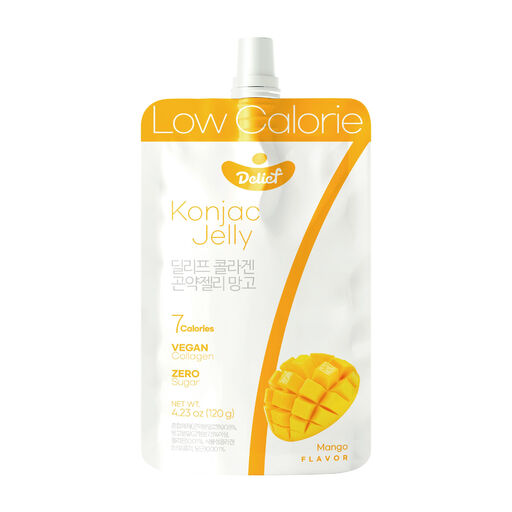
Why it suits this profile: A plant-based konjac jelly with mango flavour and a small pack size for anyone comparing vegan options and low energy values.
The product information states that it has a vegan formula. If you have allergies, check the warning about the production facility and the current packaging.
Mango flavour, 4 kcal per 100 grams according to the stated nutritional information, and a total weight of 120 grams.
We’ve put together a complete, up-to-date list of products that fully meet these strict selection criteria and the applicable European safety regulations.
No. Konjac jelly is made with konjac powder and thickeners, and often comes in a drinkable pouch or cup. Regular jelly beans and gummies usually contain sugar, glucose syrup and sometimes gelatine. As a result, the texture and nutritional values can vary considerably.
Compare the nutritional values per 100 grams or millilitres. Products such as Jelly B Konjac Jelly Lychee, Jelly B Konjac Jelly Mango and Delief Konjac Jelly Mango list a low energy value. Also check the sweeteners, portion size and ingredients list. “Low calorie” doesn’t mean that a product contains no sugar or sweeteners.
Jelly sweets should generally be stored in a cool, dry place, away from direct sunlight and heat. Seal resealable bags properly to help prevent moisture loss or stickiness. Opened jelly cups or chilled varieties should be stored and used according to the instructions on the packaging. Always check the best-before date and do not use a product if the packaging is damaged.
