
Vandaag of morgen in huis

Kwaliteit gegarandeerd

Welkomstaanbiedingen ontgrendelen: GRATIS bezorging | Tot 80% korting | Gratis 30 dagen JoyPlus-proefperiode
Download de app
Jelly snacks come in more forms than just sweet treats. Think Asian jelly, drinkable konjac jelly, Korean jelly in handy pouches, fruit jelly sticks and desserts with nata de coco or grass jelly. With such a wide range, comparing them can be tricky. A flashy packet tells you very little about flavour, sugar content, portion size or ease of use.
If you buy with a clear plan, you can avoid these three common pitfalls:
Confusing “low-calorie” with sugar-free
Some jelly snacks are low in calories but contain sweeteners. Others are high in sugar. Always check the nutritional information per 100 grams or 100 millilitres, as well as per portion.
Assuming a fruit name means a high fruit content
A flavour like mango, lychee or watermelon can come from flavouring, concentrate or a combination of both. Check the ingredients list to see how the flavour is created.
Only looking at the packaging
A pouch of jelly drink is handy for on the go, while a jar of grass jelly or nata de coco is better suited to desserts and drinks at home. The wrong size can lead to waste or a product that doesn't fit when you want to use it.
For a fair comparison, look at energy, carbohydrates and sugars. For example, Jelly B Konjac Jelly Lychee states 3 kcal and 0 grams of sugar per 100 grams. Jelly B Konjac Jelly Peach lists 10 kcal and 2 grams of sugar per 100 millilitres. Exact values can vary by flavour.
A fruit jelly stick can be significantly sweeter. ABC Fruit Jelly Bars state 340 kcal and 65 grams of sugars per 100 grams. This makes this type of jelly sweet more suitable as a sugary treat than a low-calorie jelly.
Also pay attention to the difference between a portion and the whole pack. A 150-millilitre pouch may look small, but with a multipack you need to consider the total amount in your comparison.
The texture of jelly usually comes from gelling agents such as konjac powder, carrageenan, gellan gum, pectin or agar. Konjac jelly often has a springy, smooth texture and is usually sold as a drinkable product.
Also check for sweeteners, fruit juice concentrate and flavourings. In some products, the fruit component is limited and the flavour comes mainly from flavouring. That's not necessarily a bad thing, but it's useful information when making your choice.
The product information for the jelly snacks mentioned often states that the 14 major EU allergens are not present. However, always check the current label. Ingredients and warnings can change. For example, SEOJU Maromaro Yogurt Soda Flavor Jelly lists fermented milk in the ingredients. This product is therefore not suitable for anyone wanting to avoid milk components.
A jelly drink in a 150-millilitre pouch is practical for work, school, travel or a snack on the go. Serve it chilled if the product information recommends it. With konjac jelly, also follow the usage instructions on the pack and take small amounts; the firm gel texture requires slow eating and drinking.
Jars of grass jelly and nata de coco are more convenient for home. You can add them to bubble tea, fruit drinks, ice cream, fruit or a homemade jelly dessert. Once opened, these products should be kept refrigerated according to the packaging and used within the stated period.
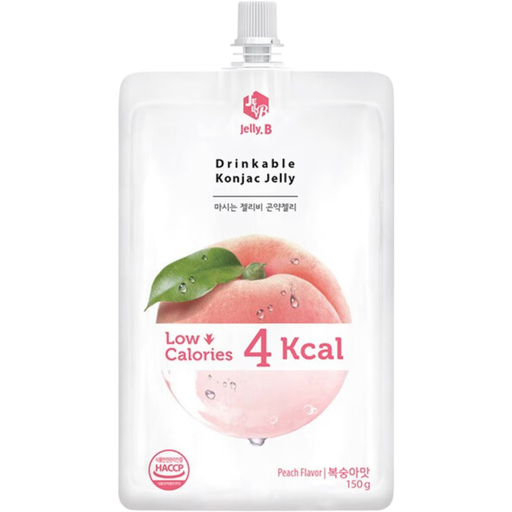
Why this fits the profile: A 150-millilitre portion is easy to manage and take with you. According to the product information, this variant contains 10 kcal and 2 grams of sugar per 100 millilitres.
The nutritional values and ingredients are clearly stated, so you don't have to rely solely on the fruit name or packaging.
Handy 150 ml size, konjac powder in the ingredients and suitable for a snack at home or on the go.
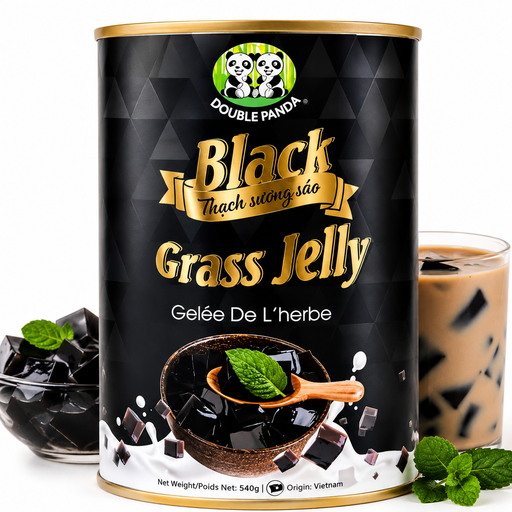
Why this fits the profile: This Vietnamese grass jelly is ready to use and designed for serving as a dessert or as an ingredient in drinks.
The origin, ingredients and nutritional values are listed. So you know the base consists of Mesona extract, water, sugar and starch.
540 grams, ready to use and according to the product information 33 kcal per 100 grams.
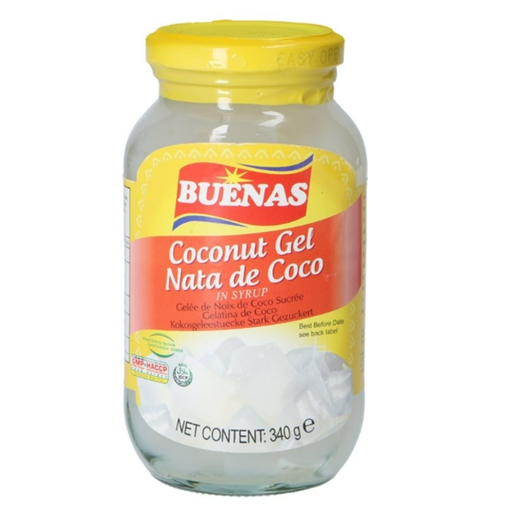
Why this fits the profile: Nata de coco is ideal for anyone wanting to use jelly in fruit, ice cream, milk tea or a homemade jelly dessert.
You're not buying a small snack portion for on the go, but an ingredient with multiple uses. That's better suited to regular use at home.
340 grams, versatile to use and according to the product information free from any of the 14 major EU allergens.
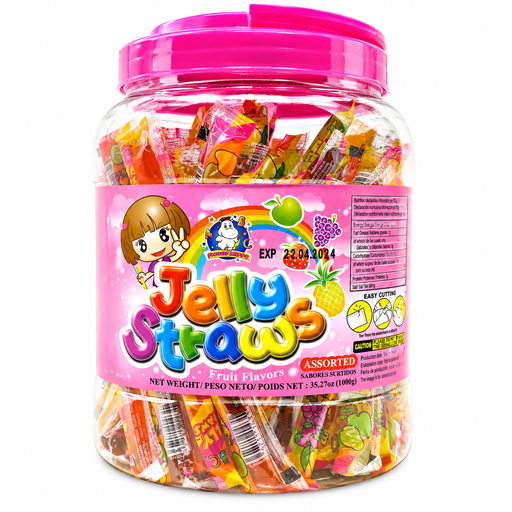
Why this fits the profile: The individually wrapped fruit jelly sticks are practical for parties, treats and a snack cupboard.
The packaging makes the use case clear: this is fruit jelly and jelly sweets for sharing, not a low-calorie snack.
1 kg content, several fruit flavours and individually wrapped for on the go or to hand out.
We've put together a full, up-to-date list of products that fully meet these strict selection criteria and comply with current European safety regulations.
That varies by product. Some Korean konjac jelly variants contain around 3 to 10 kcal per 100 grams or millilitres according to the product information. Always check the individual flavour, because ingredients and nutritional values can differ. "Low-calorie" also doesn't automatically mean sugar-free or free from sweeteners.
Store unopened products according to the instructions on the packaging, usually in a cool, dry place away from direct sunlight. Once opened, jars such as grass jelly and nata de coco generally need to be refrigerated. Use them within the stated period. Damaged packaging or a broken seal should not be used.
A jelly drink is usually a soft, drinkable jelly in a small pouch. Jelly sweets often consist of sweeter, individually wrapped pieces or sticks. A jelly dessert such as grass jelly or nata de coco is usually eaten chilled or added to drinks, fruit and desserts. So first decide when you'll use it, then compare flavour, ingredients, sugar and size.
