
Vandaag of morgen in huis

Kwaliteit gegarandeerd

Welkomstaanbiedingen ontgrendelen: GRATIS bezorging | Tot 80% korting | Gratis 30 dagen JoyPlus-proefperiode
Download de app
Jasmine rice is popular with fans of Thai curry, stir-fries and everyday meals. Yet not every bag labelled “fragrant rice”, “perfume rice” or “jasmine rice” is the same. The origin, grain structure and packaging all affect how the rice cooks and how much you ultimately pay.
For home cooks, families and catering businesses, three purchasing pitfalls are particularly relevant:
Thai jasmine rice is often referred to as Thai Hom Mali rice. The label should clearly state whether it is 100% Thai Hom Mali, Thai fragrant rice or another type of long-grain rice. Products from Cambodia, Vietnam and Thailand can all be fragrant rice, but they do not necessarily have the same flavour or cooking texture.
A Vietnamese variety such as ST25 is also a long-grain fragrant rice. According to Double Panda’s product description, it is Vietnamese ST25 Fragrant Rice, with Vietnam listed as the country of origin and rice as the only ingredient. This makes the specifications easy to check, without treating general marketing claims as guaranteed results.
If you are looking for an alternative to basmati rice, you can use jasmine rice with curry, grilled dishes and rice bowls. Bear in mind that jasmine rice is generally softer and more aromatic than basmati.
Long-grain rice remains recognisable as a longer grain after cooking. The precise texture varies between products and cooking methods. Some varieties become soft and slightly sticky, while others remain looser.
Soft, fragrant rice often works well with curry and sauces in Thai dishes. For fried rice, a less moist, cooled preparation may be more practical. A product such as Green Dragon Perfume Long Grain Rice is described in the product information as long-grain, fluffy and non-sticky after cooking. Always check the packaging, as the rice-to-water ratio can vary between brands.
Do not confuse jasmine rice with sticky rice. Royal Thai Glutinous Rice is intended for dishes where a high level of stickiness is required, such as certain desserts or traditional sticky rice dishes. For everyday rice served with Asian dishes, it is usually a different choice.
A 1 kg jasmine rice pack is useful if you want to try a variety first or only cook Asian food occasionally. For a family that eats rice several times a week, 4.5 or 10 kg may be more practical. Restaurants, caterers and other high-volume users are more likely to look for 18 kg jasmine rice, 20 kg jasmine rice or another bulk pack of rice.
For larger bags, pay attention to:
A large bag is not automatically cheaper per portion. Compare the price per kilogram and consider how much rice you will use within a reasonable period.
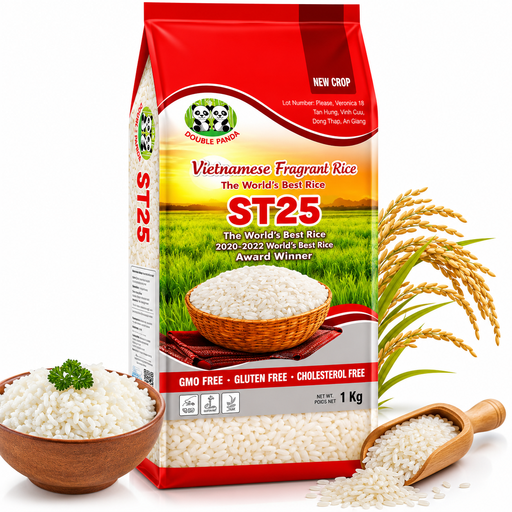
Why it suits this profile: The 1 kg pack is a manageable choice if you want to try Vietnamese ST25 rice without immediately building up a large supply.
The product states the ST25 type, the country of origin Vietnam, long-grain rice and 100% rice as the ingredient.
1 kg pack; suitable for cooking in a rice cooker, steaming or boiling according to the instructions on the packaging.
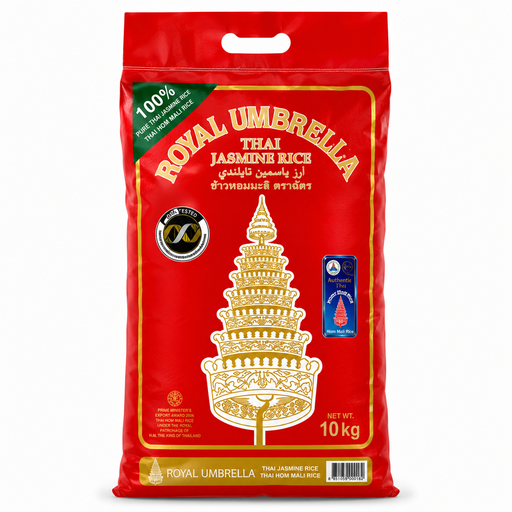
Why it suits this profile: This 10 kg pack is aimed at people who regularly prepare Thai dishes and value a clearly specified type of rice.
The product information specifies 100% Thai Hom Mali (Jasmine) rice, Thailand as the country of origin and a net weight of 10 kg.
Thai Hom Mali specification; suitable for everyday meals, curry, stews and larger households.
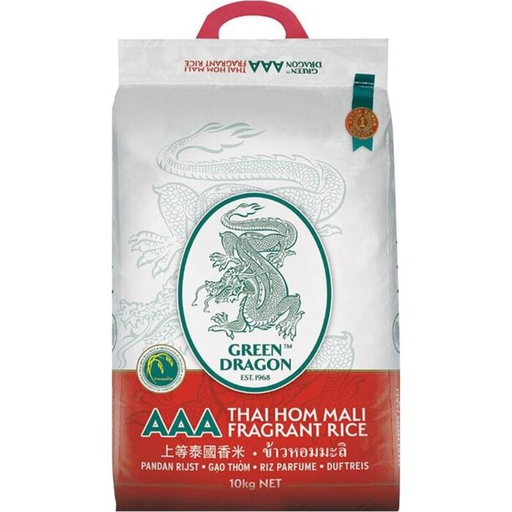
Why it suits this profile: The 10 kg bag suits families, restaurants and caterers who regularly use fragrant rice in Asian dishes.
The product name and description specify Thai jasmine rice and a weight of 10 kg, helping you compare the choice with your usual consumption.
Fragrant Thai rice; large pack for frequent use; check the nutritional and storage information on the label.
We have put together a complete, up-to-date list of products that fully meet these strict selection criteria and the applicable European safety regulations.
Store an opened bag in an airtight storage container in a cool, dry place, away from sunlight, heat and moisture. Check the packaging before using the rice and follow the stated best-before date.
Jasmine rice should generally be rinsed thoroughly with clean water before cooking. Then add the rice and water according to the ratio given on the packaging. Leave the rice to rest for a few minutes after cooking. The correct ratio depends on the brand, cooking method and texture you want. A rice cooker makes preparation convenient, but you can also boil or steam the rice if the packaging indicates that this is suitable.
The terms are sometimes used interchangeably in Dutch shops. Check the official product name and ingredients list. “Pandan” often refers to the fragrant character, but it is not automatically a separate type of rice or an ingredient.
A long-grain variety can be suitable for nasi, particularly when the cooked rice is cooled and allowed to dry out first. Choose a product described as long-grain and follow the preparation instructions. For sushi, round sushi rice grains are more suitable; jasmine rice generally does not have the required level of stickiness.
This depends on the best-before date, packaging and storage conditions. Keep the rice dry and sealed, and always use your senses and the label as a guide. With a large 10, 18 or 20 kg bag, it is sensible to transfer some of the rice into smaller, securely sealable containers.
