
Livraison le jour même et le lendemain

Qualité garantie

Débloquez vos offres de bienvenue: Livraison GRATUITE | Jusqu'à -80 % | 30 jours d'essai gratuits à JoyPlus
Téléchargez l'application
Jasmine rice is a firm favourite with families, Asian cuisine enthusiasts, meal preppers and catering professionals. Yet many bags look remarkably similar. An attractive pack boasting words like “premium”, “AAA” or “fragrant” doesn’t always tell you everything you need to know about the rice you’re buying.
The key differences lie in origin, rice variety, packaging and cooking method. If you don’t pay attention to these, you could end up paying over the odds for a small bag, choosing a rice that doesn’t suit your dish, or buying a bulk pack that’s tricky to keep fresh at home.
Terms like “premium”, “AAA” and “selected” are used by brands, but they don’t always mean the same thing. So it’s best to check the concrete information on the label instead:
According to the product descriptions from various brands, their rice is described as aromatic, soft or fluffy. These are claims made by the seller; the final result also depends on rinsing, the amount of water you use and your cooking method.
A bulk pack of rice might seem good value, but a bag of 18 or 20 kg needs plenty of storage space. Keep dry rice in a cool, dry place away from direct sunlight. Once opened, a well-sealed storage container helps keep out moisture, odours and contaminants.
For a household that only eats rice occasionally, 1 to 2 kg is often more practical. Families, meal preppers, caterers and restaurants, on the other hand, can benefit from 4.5, 10, 18 or 20 kg, depending on how much they use.
Jasmine rice becomes soft and slightly sticky when cooked, but it’s not the same as Thai sticky rice. For dishes where you want the grains to stay more separate, such as fried rice, pilaf or a rice bowl, fragrant long-grain rice is usually a better choice. So always check the product name and ingredients before you order.
Thai jasmine rice is often sold as Hom Mali rice. According to the product information from suppliers, this rice has a distinctive aroma and a soft texture after cooking. Vietnamese jasmine rice, including ST25 rice, is also sold as fragrant long-grain rice. The Double Panda ST25 pack, for example, lists Vietnam as the country of origin and ST25 Fragrant Rice as the rice type.
Cambodian jasmine rice is another option in this category. Products like Red Dragon AAA and Orchidee Premium AAA are described as being made from 100% Cambodian jasmine rice. Bear in mind: a country of origin is verifiable product information, but on its own it doesn’t guarantee a particular taste or cooking result.
For curries, stir-fries and rice bowls, many shoppers look for a rice that turns out soft yet still holds its shape. For fried rice, it can help to let the cooked rice cool down first. Always follow the ratio on the pack, as this varies by brand and product.
Many jasmine rice products can be cooked in a:
Generally, rinse the rice first with clean water. After cooking, let the rice rest for a few minutes before removing the lid. The Double Panda Vietnamese ST25 Rice, for example, lists a rice cooker, steaming and boiling as suitable methods. For the exact water ratio, always follow the instructions on the pack.
Rice usually contains just one ingredient, but always check the actual packaging. Products in the range often don’t list any of the 14 main EU allergens. That doesn’t mean you can skip the label: product information can change, and the risk of cross-contamination depends on the production site.
If you’re looking for gluten-free rice, standard jasmine rice can be an option, but if you have an allergy or need to avoid gluten strictly, always check the packaging and any warnings. Also, choose a size you’ll use within a reasonable time. A smaller bag often keeps its aroma better at home; a bulk pack makes most sense if you use it regularly.
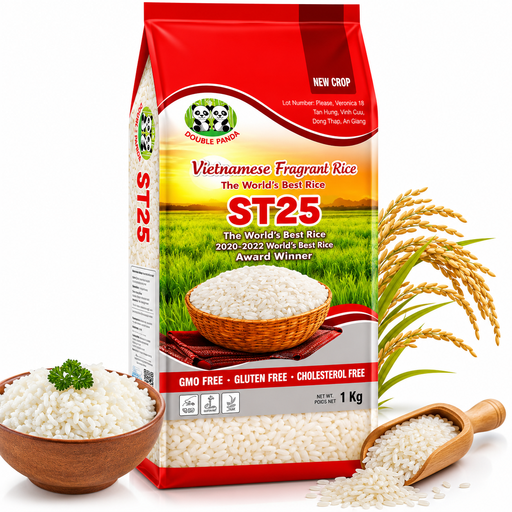
Why this fits the profile: The 1 kg pack is a manageable size for anyone trying Vietnamese ST25 rice for the first time, or for those who don’t often use a bulk pack.
The product clearly states the rice type, the origin (Vietnam), the ingredients and several cooking methods.
1 kg, 100% ST25 Fragrant Rice according to the product information, and suitable for a rice cooker, steaming and boiling.
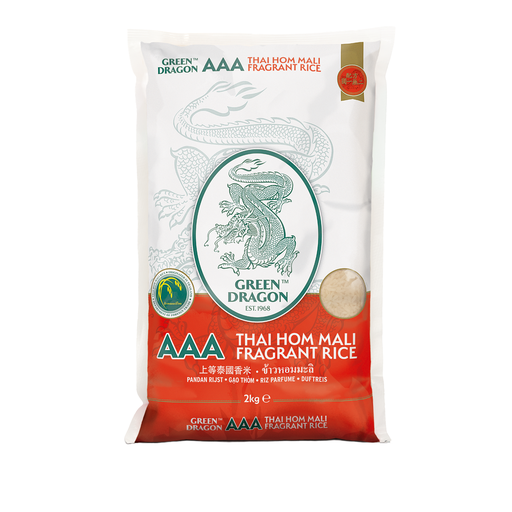
Why this fits the profile: This Thai Hom Mali variety is ideal for shoppers who specifically want a particular origin, aroma and classic long-grain texture.
The product information states 100% Thai Hom Mali and specifies the 2 kg size, so you’re not relying on a marketing term alone.
Thai origin, long-grain rice and, according to the product description, suitable for stir-fries, curries and everyday meals.
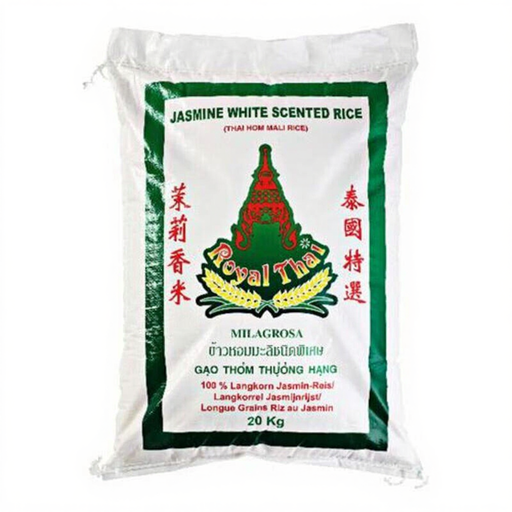
Why this fits the profile: The 20 kg bag is aimed at catering businesses, large families and anyone who regularly uses rice for Asian dishes.
The large size suits heavy usage and means you won’t have to keep ordering small bags. Just make sure you have dry storage space ready.
20 kg, Thai fragrant long-grain rice and, according to the product description, suitable for everyday meals and catering.
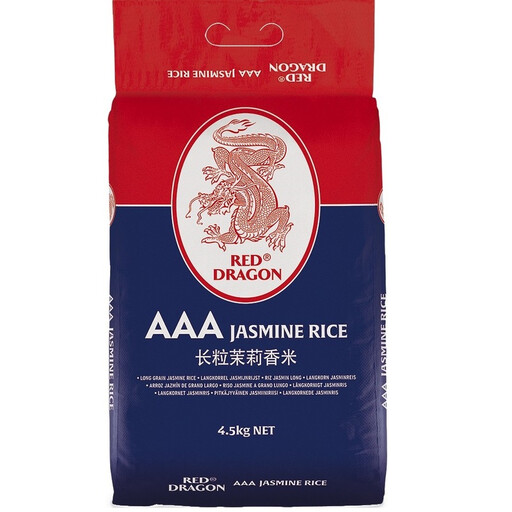
Why this fits the profile: 4.5 kg offers a middle ground between a small family pack and a catering size, with Cambodian origin.
The product description states 100% Cambodian jasmine rice, the weight and its use for stir-fries, curries and rice bowls.
4.5 kg, long grain and, according to the product information, a natural fragrance and soft texture after cooking.
We’ve put together a full, up-to-date list of products that meet these strict selection criteria and comply with current European safety regulations.
No. Jasmine rice refers to an aromatic rice variety, often from Thailand, Vietnam or Cambodia. Pandan rice can be used as a trade name for rice with a scent reminiscent of pandan. So always check the ingredients, origin and official product name.
This varies by brand, rice type and cooking method. Some packs recommend roughly one part rice to one part water, while others suggest more water. Rinse the rice first, then follow the instructions on the pack. Let the cooked rice rest for a few minutes before serving.
Keep jasmine rice in a cool, dry place away from direct sunlight. Seal the original packaging well or transfer the rice to a clean, airtight storage container. With a bulk pack of rice, it’s practical to keep a smaller amount in the kitchen and store the rest sealed.
